
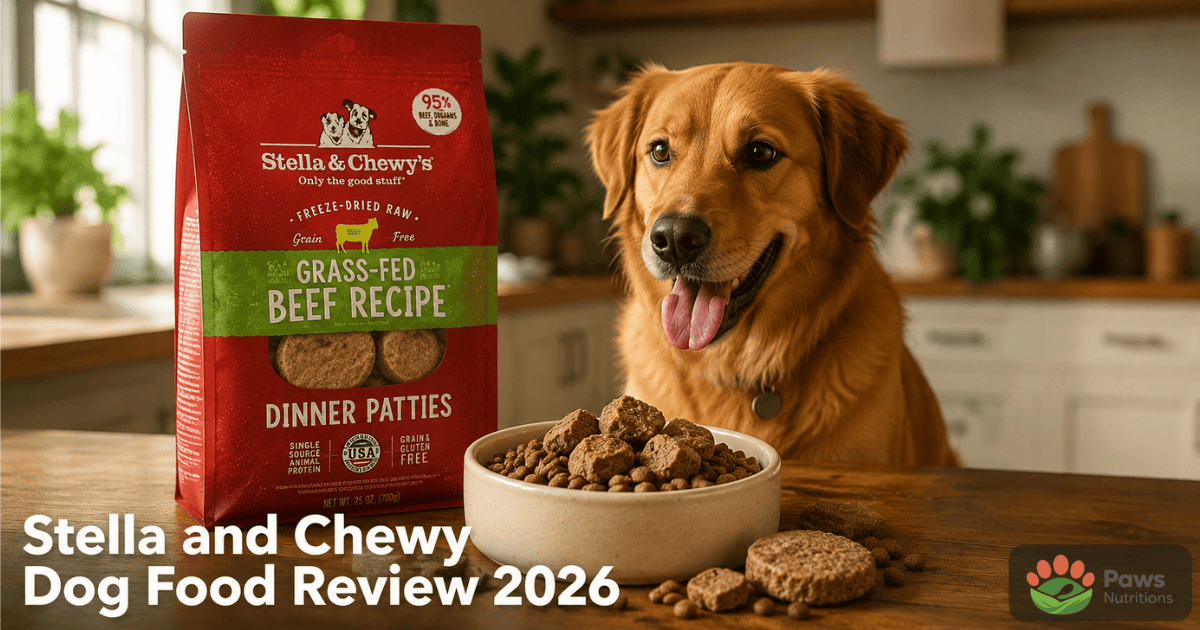
Picking the right dog food feels overwhelming — especially when a brand like Stella and Chewy charges a premium price and bold health claims follow it everywhere. Is it genuinely worth the cost, or just expensive marketing? That question deserves an honest, detailed answer before you spend your money.
This complete Stella and Chewy dog food review breaks down everything — real ingredients, nutritional value, recall history, vet opinions, and how it compares to competitors. Whether your dog has allergies, a sensitive stomach, or you simply want the best nutrition possible, you’ll find a clear, confident answer right here.
Quick Verdict: Is Stella and Chewy Dog Food Worth Buying?
Our Overall Rating
Overall Rating: 4.5 / 5
Stella and Chewy earns its premium reputation. It consistently delivers high-protein, minimally processed nutrition that goes far beyond what most standard kibbles offer. The brand’s commitment to raw-inspired ingredients, clean sourcing, and freeze-drying technology puts it in a league of its own for pet owners who prioritize quality over convenience.
Best Features at a Glance
- High animal protein content (80%+ in freeze-dried formulas)
- Includes organ meats for natural nutrient density
- No artificial preservatives, fillers, or artificial flavors
- Multiple product lines for every lifestyle and budget
- Added probiotics for digestive support
- AAFCO-compliant for complete and balanced nutrition
Who Should Buy Stella and Chewy?
Stella and Chewy is an excellent choice for dog owners who want raw-inspired nutrition without the hassle of preparing homemade raw meals. It’s especially ideal for dogs with food sensitivities, picky eaters who refuse standard kibble, dogs that need high-protein diets for muscle maintenance, and pet owners who prioritize clean, transparent ingredient labels.
Who May Want to Consider Alternatives?
If budget is a top concern, Stella and Chewy’s price point can be challenging for multi-dog households. Dogs with specific medical conditions like chronic kidney disease or pancreatitis may need veterinary-prescribed diets instead. Dogs with known sensitivities to specific proteins should work with a vet before switching.
Pros and Cons Summary
| Pros | Cons |
| High-quality animal proteins | Premium price point |
| Includes organ meats | Some formulas are grain-free (DCM concern) |
| No artificial additives | Raw food requires careful handling |
| Multiple product lines | Limited availability in some regions |
| Added probiotics | High calorie density requires careful portioning |
| AAFCO compliant | Not ideal for all medical conditions |
About Stella and Chewy Dog Food
The History Behind Stella and Chewy
Stella and Chewy was founded in 2003 by Marie Moody, who started the company after her own dogs — Stella and Chewy — struggled with serious health problems. After switching them to a raw food diet, she witnessed dramatic improvements in their health. Inspired by those results, she began making raw meals in her New York kitchen and eventually turned that passion into a nationally recognized pet food brand.
Company Mission and Raw Nutrition Philosophy
The brand’s core mission is simple: bring dogs closer to the diet they were biologically designed to eat. Stella and Chewy believes in species-appropriate nutrition, which means prioritizing animal-based proteins, organ meats, and minimally processed ingredients over grain-heavy fillers. Every product reflects that raw nutrition philosophy, whether it’s a freeze-dried patty or a raw-coated kibble.
Where Stella and Chewy Dog Food Is Made
All Stella and Chewy products are manufactured in the United States. The company operates its own production facilities in Oak Creek, Wisconsin, giving them direct control over safety and quality at every stage of manufacturing. This level of oversight is something many pet food brands simply don’t offer.
Ingredient Sourcing Standards
Stella and Chewy sources ingredients from trusted suppliers who meet strict quality standards. Proteins include grass-fed beef, cage-free poultry, and wild-caught fish. The company avoids artificial growth hormones, antibiotics, and unnecessary fillers. Their ingredient sourcing is transparent and regularly reviewed to maintain consistency and safety.
Manufacturing and Quality Control Process
Every batch of Stella and Chewy food goes through a rigorous quality control process. This includes High Pressure Processing (HPP) for safety, which eliminates harmful pathogens like Salmonella and Listeria without using heat that would destroy nutrients. Their manufacturing standards align closely with FDA guidelines for pet food production.
Sustainability and Ethical Sourcing Practices
Stella and Chewy is increasingly focused on sustainable sourcing. Their wild-caught fish comes from responsibly managed fisheries, and their grass-fed beef comes from farms that prioritize animal welfare. While the brand isn’t certified organic across the board, the sourcing commitments reflect a genuine effort toward responsible production.
Understanding Stella and Chewy’s Product Lineup
Freeze-Dried Raw Dog Food
This is the brand’s flagship product line and what made them famous. Freeze-dried raw dinner patties and nuggets lock in raw nutrition through a cold-drying process that preserves enzymes, vitamins, and amino acids that heat-based cooking destroys. You simply rehydrate them with water before serving, and your dog gets a meal that closely mimics fresh raw food.
Raw Coated Kibble Recipes
For pet owners who want the convenience of kibble with a nutritional upgrade, Stella and Chewy offers raw coated kibble. These are traditional kibble pieces coated with freeze-dried raw meat, adding flavor and nutrition beyond what plain kibble delivers. It’s a smart middle ground between budget and quality.
Frozen Raw Meals
Stella and Chewy’s frozen raw meals are minimally processed and closest to a traditional raw diet. They require freezer storage and thawing before serving, making them better suited for committed raw feeders who have the time and storage space.
Wet Dog Food Options
The brand also offers wet food recipes that are grain-free and protein-rich. These are great for senior dogs or dogs with dental issues who prefer soft food, or as a topper mixed with dry kibble to boost palatability and hydration.
Meal Mixers and Toppers
Stella and Chewy makes excellent meal toppers — freeze-dried raw food crumbles you sprinkle over your dog’s regular food. If you’re not ready to switch fully, these mixers are a fantastic way to introduce raw nutrition without committing entirely.
Treats and Functional Snacks
The brand’s treat lineup includes freeze-dried meat treats made from single-ingredient proteins like beef liver, chicken, and rabbit. These are great for training, rewarding, or just giving your dog a healthy snack with zero junk ingredients.
Which Product Line Is Most Popular?
The Freeze-Dried Raw Dinner Patties remain the most popular Stella and Chewy product, especially the Beef Recipe and Chicken Recipe varieties. They consistently earn the highest reviews and are most recommended by veterinary nutritionists and raw-feeding communities alike.
What Makes Stella and Chewy Different From Other Dog Food Brands?
Raw-Inspired Nutrition Approach
Most commercial pet foods are heavily processed at high temperatures, which degrades proteins, destroys natural enzymes, and reduces the bioavailability of nutrients. Stella and Chewy takes a completely different approach by prioritizing raw and minimally processed food that retains its original nutritional profile. This matters because dogs absorb nutrients more efficiently from less processed food.
High-Animal-Protein Formulas
Many budget kibbles use plant-based proteins to inflate the protein percentage on the label. Stella and Chewy’s protein comes almost entirely from animal sources — real meat, poultry, and fish. This makes a significant difference in amino acid completeness, especially for active dogs, working breeds, and growing puppies.
Inclusion of Organ Meats
Organ meats like beef liver, heart, and kidney are nature’s multivitamins. They’re loaded with vitamin B12, iron, zinc, copper, and fat-soluble vitamins that muscle meat alone can’t provide. Stella and Chewy includes organ meats across most of their formulas, something many competitors skip entirely.
Freeze-Drying Technology Explained
Freeze-drying removes moisture from raw food at very low temperatures without cooking it. This preserves the nutritional integrity of the raw ingredients while making the food shelf-stable and safe to store. The result is a product that delivers raw nutrition in a convenient, shelf-stable format — a genuine innovation in pet food.
Limited Ingredient Recipe Options
For dogs with allergies or food intolerances, Stella and Chewy offers limited ingredient diet (LID) recipes that use a single protein source and a short ingredient list. This makes it much easier to identify and eliminate problematic ingredients from your dog’s diet.
Added Probiotics and Digestive Support
Stella and Chewy adds clinically studied probiotic strains to their formulas, which support gut health, digestive regularity, and immune function. Dogs switching from heavily processed foods often experience digestive improvements within the first few weeks of switching to Stella and Chewy.
Stella and Chewy Dog Food Ingredients Analysis
Why Ingredient Quality Matters
The ingredient list tells you everything about what your dog is actually eating. Low-quality fillers, unnamed meat meals, and artificial preservatives are red flags on any pet food label. Stella and Chewy’s ingredient lists are transparent, identifiable, and clearly animal-protein-first — which is exactly what a biologically appropriate diet looks like.
Primary Protein Sources Used
Grass-Fed Beef
Grass-fed beef is richer in omega-3 fatty acids and conjugated linoleic acid (CLA) than conventionally raised beef. It’s a complete protein source that supports muscle development, energy, and overall vitality. Dogs generally find beef highly palatable, making it one of the most popular Stella and Chewy protein choices.
Cage-Free Chicken
Cage-free chicken provides a lean, digestible protein source that’s gentle on sensitive stomachs. It’s an excellent choice for dogs who need easily absorbed amino acids without a heavy fat load. Chicken is also naturally rich in glucosamine from bone material, which supports joint health.
Wild-Caught Fish
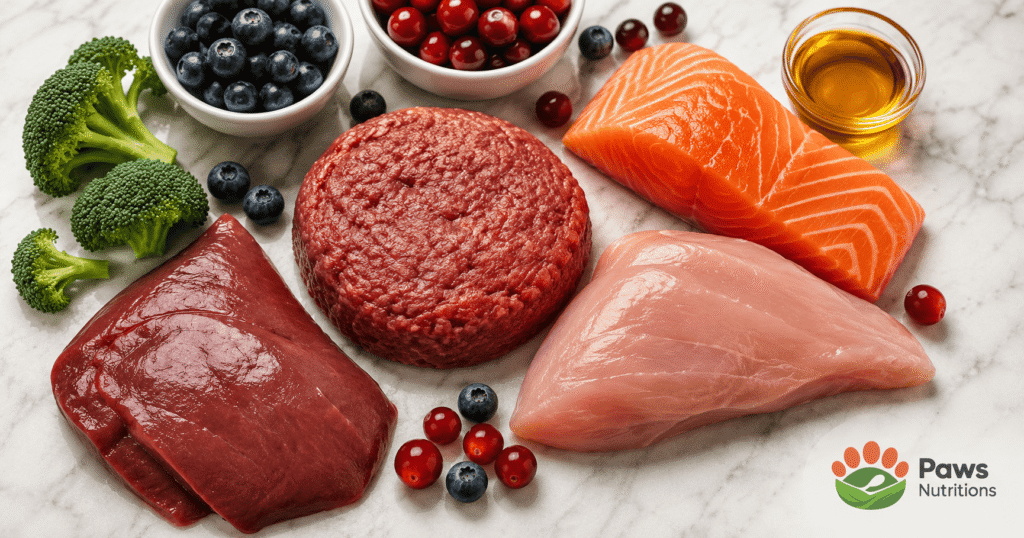
Wild-caught fish — particularly salmon — brings an impressive omega-3 fatty acid profile including EPA and DHA, which support brain health, coat shine, and inflammatory regulation. Fish-based recipes are often recommended for dogs with skin allergies or itchy coats.
Lamb and Other Animal Proteins
Lamb is a novel protein for many dogs, making it a smart choice for dogs that have developed sensitivities to more common proteins like chicken or beef. Other animal proteins across their lineup include turkey, duck, rabbit, and venison — offering genuine variety for rotating protein strategies.
Organ Meats and Their Nutritional Benefits
Stella and Chewy’s formulas consistently include beef liver, beef kidney, and beef heart. Liver is one of the most nutrient-dense foods on the planet, delivering high concentrations of vitamin A, B vitamins, and iron. Heart muscle provides naturally occurring taurine, an amino acid critical for cardiac health.
Fruits and Vegetables Included in Recipes
Stella and Chewy uses a modest but purposeful selection of fruits and vegetables — including cranberries, blueberries, and broccoli — that contribute antioxidants, fiber, and phytonutrients. These are present in small quantities, keeping the focus firmly on animal nutrition while adding beneficial micronutrients.
Healthy Fats and Omega Sources
Beyond omega-rich proteins, Stella and Chewy uses coconut oil and salmon oil in several formulas. Coconut oil supports skin barrier function and coat health, while salmon oil delivers additional EPA and DHA. These fats also improve the palatability of the food and support fat-soluble vitamin absorption.
Vitamins, Minerals, and Supplements
To meet AAFCO nutritional adequacy standards, Stella and Chewy supplements their formulas with a complete vitamin and mineral premix. This includes zinc, selenium, vitamin D3, vitamin E, and various B vitamins that ensure every meal is nutritionally complete.
Probiotics and Digestive Health Ingredients
Most Stella and Chewy formulas include Lactobacillus acidophilus and other beneficial bacteria strains that colonize the gut and support digestive health. These are heat-sensitive bacteria, which is why freeze-drying — rather than cooking — is essential for preserving their effectiveness.
Ingredients Some Pet Owners May Question
Some Stella and Chewy recipes are grain-free, which has been a point of ongoing discussion due to the FDA’s investigation into a potential link between grain-free diets and dilated cardiomyopathy (DCM) in dogs. The connection remains scientifically inconclusive, but it’s worth discussing with your vet if your dog has cardiac risk factors.
Artificial Additives, Preservatives, or Fillers: Are They Present?
No. Stella and Chewy does not use artificial colors, flavors, or chemical preservatives. There are no corn, wheat, or soy fillers, no unnamed meat by-products, and no rendered meals from questionable sources. The ingredient panel is clean, readable, and honest.
Ingredient Quality Score
Ingredient Quality: 4.7 / 5 — Among the best in the premium pet food category.
Nutritional Analysis of Stella and Chewy Dog Food
Guaranteed Analysis Overview
| Nutrient | Freeze-Dried Raw (as-fed) | Raw Coated Kibble (as-fed) |
| Crude Protein | Min. 38% | Min. 30% |
| Crude Fat | Min. 22% | Min. 14% |
| Crude Fiber | Max. 4% | Max. 4% |
| Moisture | Max. 5% | Max. 10% |
Protein Content Compared to Industry Standards
The AAFCO minimum for adult dog food is 18% crude protein on a dry matter basis. Stella and Chewy’s freeze-dried formulas exceed that by more than double, often delivering 50–60% protein on a dry matter basis. This is significantly higher than most commercial kibbles and comparable to the best raw diets on the market.
Fat Levels and Energy Density
Fat levels in Stella and Chewy are higher than average, which reflects the raw and ancestral diet philosophy. Fat is the dog’s preferred energy source and supports hormone production, cell membrane integrity, and fat-soluble vitamin absorption. That said, the higher fat content means you need to control portion sizes carefully to avoid weight gain.
Carbohydrate Estimates
Stella and Chewy’s freeze-dried formulas contain minimal carbohydrates — typically 5–10% on a dry matter basis. This is a dramatic reduction compared to standard kibble, which can contain 40–60% carbohydrates. Low carbohydrate content is beneficial for blood sugar stability and reducing inflammation in many dogs.
Fiber Content and Digestive Benefits
Fiber content is intentionally modest, reflecting the carnivore-appropriate nutrition model. The fiber that is present comes from whole food sources like cranberries, pumpkin, and broccoli, which support colon health and stool consistency without the bulking effect of grain-based fillers.
Moisture Content Explained
Freeze-dried food is very low in moisture (under 5%). This means dogs eating freeze-dried Stella and Chewy as their sole diet need adequate water intake alongside their meals. Rehydrating the patties with water before serving is strongly recommended to support kidney function and hydration.
Calorie Density Analysis
Stella and Chewy is calorie-dense. The freeze-dried patties contain approximately 490–540 kcal per 100g as-fed, which is significantly higher than standard kibble. This means smaller portions are needed, which offsets some of the cost difference when you calculate cost per calorie rather than cost per bag.
Dry Matter Basis Calculation
When you compare pet foods fairly, you must convert nutrient levels to a dry matter basis (DMB). On a dry matter basis, Stella and Chewy’s freeze-dried formulas typically show:
- Protein: ~52–58%
- Fat: ~28–32%
- Carbohydrates: ~6–10%
Is Stella and Chewy Nutritionally Complete and Balanced?
Yes. Most Stella and Chewy products carry the AAFCO statement of nutritional adequacy, meaning they meet established nutrient standards for either all life stages or adult maintenance. Always check individual product labels, as some formulas like mixers and toppers are not intended as complete standalone diets.
Health Benefits of Stella and Chewy Dog Food
Supports Lean Muscle Development
The high bioavailable animal protein in Stella and Chewy directly fuels muscle synthesis and maintenance. Dogs that are active, athletic, or recovering from illness benefit greatly from this level of amino acid density. Unlike plant proteins, animal proteins provide a complete essential amino acid profile that supports lean body composition without excess fat deposition.
Promotes Healthy Digestion
Many dog owners report that their dogs experience firmer stools, reduced gas, and better regularity after switching to Stella and Chewy. The combination of probiotics, digestive enzymes preserved through freeze-drying, and minimal processed starches creates an environment where the digestive system can function more naturally and efficiently.
Improves Coat and Skin Health
The omega-3 and omega-6 fatty acids in Stella and Chewy’s fish-based and beef-based recipes are directly linked to coat luster, reduced shedding, and improved skin hydration. Dogs with chronic itching, flaky skin, or dull coats often see noticeable improvement within four to eight weeks of switching.
Supports Immune Function
The combination of antioxidant-rich ingredients like blueberries and cranberries, along with zinc, selenium, and vitamin E, gives the immune system meaningful nutritional support. Organ meats further contribute bioavailable micronutrients that strengthen immunity at the cellular level.
Benefits for Active Dogs
Working dogs, sporting dogs, and highly active breeds have elevated energy and protein demands. Stella and Chewy’s calorie-dense, protein-rich formulas meet those demands without relying on carbohydrate fillers. The result is sustained energy, better recovery after exercise, and improved endurance over time.
Benefits for Puppies
Stella and Chewy offers AAFCO-compliant puppy formulas that support rapid growth with higher protein and fat levels appropriate for developing bodies. The inclusion of DHA from fish sources supports brain and eye development during the critical early months of life.
Benefits for Senior Dogs
Senior dogs often struggle with reduced appetite, joint stiffness, and decreased digestive efficiency. Stella and Chewy’s highly digestible proteins reduce the workload on aging digestive systems, while the natural glucosamine from bone material and anti-inflammatory omega-3s support joint comfort and mobility.
Benefits for Dogs With Food Sensitivities
The limited ingredient diet options and novel protein recipes — like rabbit, venison, or duck — give allergic or sensitive dogs a clean alternative to common allergens. The absence of artificial additives eliminates a common trigger for skin and gastrointestinal reactions in sensitive animals.
Potential Dental Health Benefits
While freeze-dried food doesn’t provide the mechanical abrasion of dental chews, the low carbohydrate content means less starchy residue on teeth. Some dog owners report improved breath and reduced plaque compared to high-starch kibble diets, though dedicated dental care is still important regardless of diet.
Potential Drawbacks of Stella and Chewy Dog Food
Premium Price Point
There’s no getting around it — Stella and Chewy is expensive. A 25-pound bag of raw coated kibble can cost $90–$120, and freeze-dried patties are even more per serving. For households with multiple large dogs, this can quickly become financially unsustainable. However, when calculated on a cost-per-calorie or cost-per-serving basis, the gap narrows compared to cheaper, less nutrient-dense foods.
Availability Challenges
While Stella and Chewy is widely available through major retailers like PetSmart, Chewy, and Amazon, some specialty formulas can be harder to find locally. If you live in a rural area, you may need to rely on online delivery, which adds shipping time and planning requirements.
Raw Feeding Concerns Some Owners Have
Some pet owners and veterinarians express concern about bacterial contamination in raw and raw-inspired foods. Stella and Chewy addresses this through High Pressure Processing (HPP), which eliminates pathogens without cooking the food. However, raw feeding still requires careful handling — refrigerating opened bags, washing hands after feeding, and keeping food surfaces clean.
Suitability for Certain Medical Conditions
Dogs with chronic kidney disease (CKD) need carefully controlled protein and phosphorus intake, which makes high-protein diets like Stella and Chewy inappropriate without veterinary supervision. Dogs with pancreatitis may struggle with the higher fat levels in some formulas. Always consult your vet before switching a dog with existing health conditions.
Transitioning Difficulties for Some Dogs
Dogs that have eaten the same processed kibble for years may experience loose stools or digestive upset during the transition to Stella and Chewy. This is a normal detox response in many cases, but it can be alarming for new users who aren’t prepared. A slow transition over 10–14 days is strongly recommended.
Common Customer Complaints
The most common complaints include packaging changes, formula inconsistencies across production batches, and the difficulty of transitioning picky dogs. A small number of customers also report their dogs refusing certain flavors or experiencing soft stools that didn’t resolve after the transition period.
Stella and Chewy Dog Food Recall History and Safety Record
Has Stella and Chewy Ever Been Recalled?
Yes, Stella and Chewy has had recalls in the past, though they are relatively few given the brand’s 20+ year history. The most important thing to understand is how the brand responded to those recalls — and the answer reflects well on their commitment to safety.
Complete Recall Timeline
| Year | Product Affected | Reason |
| 2017 | Freeze-Dried Treats | Potential Listeria contamination |
| 2019 | Frozen Raw Meals | Potential Salmonella contamination |
| 2022 | Select Freeze-Dried Products | Thiamine (Vitamin B1) deficiency |
Reasons Behind Past Recalls
The 2017 and 2019 recalls were related to bacterial contamination concerns — a risk inherent in raw food production that no raw brand is entirely immune to. The 2022 recall was more unusual and involved a vitamin B1 (thiamine) deficiency in certain formulas, which can cause serious neurological problems in dogs.
How the Company Responded
Stella and Chewy responded to each recall proactively — issuing voluntary recalls before regulatory pressure in several cases, notifying customers through public announcements, and implementing process improvements afterward. This level of transparency is more than many competitors demonstrate.
Food Safety Standards Today
Today, Stella and Chewy uses High Pressure Processing (HPP) across most product lines to eliminate pathogens without compromising nutritional integrity. Their manufacturing facility in Wisconsin operates under strict FDA and USDA safety protocols, and they conduct third-party testing on finished products before release.
FDA and Regulatory Compliance
Stella and Chewy maintains full compliance with FDA regulations for pet food manufacturing. All products are manufactured in USDA-inspected facilities and meet the AAFCO standards for nutritional adequacy where applicable.
What Pet Owners Should Learn From Recall History
Recalls happen across all pet food brands — including some of the most trusted names in the industry. What matters most is how a brand responds. Stella and Chewy’s proactive communication, voluntary recalls, and manufacturing upgrades demonstrate a level of corporate responsibility that should give informed pet owners reasonable confidence.
Is Stella and Chewy Dog Food Safe?
Ingredient Safety Review
Every ingredient used by Stella and Chewy is reviewed for safety and sourced from approved suppliers. The brand avoids artificial preservatives like BHA, BHT, and ethoxyquin, relying instead on natural preservation through freeze-drying and HPP.
Manufacturing Safety Procedures
Stella and Chewy’s Oak Creek, Wisconsin facility operates under Hazard Analysis and Critical Control Points (HACCP) protocols — the same food safety framework used in human food production. This includes contamination monitoring, batch testing, and controlled production environments.
Freeze-Dried Food Safety Explained
Freeze-drying is a safe and effective preservation method. The process removes over 98% of moisture, creating an environment where bacteria cannot survive or multiply. When combined with HPP pathogen elimination, freeze-dried Stella and Chewy products are among the safest raw-inspired pet foods on the market.
Raw Food Handling Recommendations
Even with HPP, safe handling practices are important. Store freeze-dried products in a cool, dry place. Refrigerate wet food after opening. Wash your hands and food preparation surfaces after handling raw dog food. Keep raw food away from children and immunocompromised individuals.
Third-Party Testing and Quality Assurance
Stella and Chewy conducts third-party laboratory testing on finished products to verify pathogen elimination, nutritional accuracy, and ingredient purity. This independent verification adds a meaningful layer of confidence for consumers.
Common Safety Misconceptions
Many people assume that any raw or raw-inspired dog food is inherently dangerous. This isn’t accurate when HPP is used correctly. The safety risk with raw food primarily exists when proper pathogen elimination and handling protocols aren’t followed — both of which Stella and Chewy addresses systematically.
Veterinary Opinion: Do Vets Recommend Stella and Chewy?
What Veterinarians Like About the Brand
Many veterinarians appreciate Stella and Chewy’s high protein quality, transparent ingredient sourcing, and AAFCO compliance. Vets who support raw or minimally processed diets often recommend this brand specifically because it offers the benefits of raw feeding with better safety controls than homemade raw diets.
Common Veterinary Concerns
The most common concerns raised by conventional veterinarians relate to grain-free formulas and the ongoing DCM discussion, the higher protein content being inappropriate for dogs with kidney disease, and the general challenge of pathogen risk with raw-inspired foods. These are legitimate considerations, not reasons to dismiss the brand entirely.
AAFCO Compliance Review
Most Stella and Chewy complete diet products meet AAFCO nutrient profiles for either all life stages or adult maintenance. This means they’ve been formulated to provide the minimum essential nutrients dogs require. The mixers and toppers are the exception — they are supplemental, not complete diets.
WSAVA Guidelines Discussion
The World Small Animal Veterinary Association (WSAVA) recommends that pet owners choose foods from companies that employ full-time veterinary nutritionists and conduct feeding trials. Stella and Chewy does employ nutritional consultants, though they are not among the large manufacturers that WSAVA most directly references.
Veterinary Nutritionist Perspective
Board-certified veterinary nutritionists who specialize in raw feeding often view Stella and Chewy favorably as a safer, more standardized alternative to homemade raw diets. The nutritional completeness and pathogen safety controls are considered meaningful improvements over raw food prepared without professional guidance.
When Vets May Recommend Alternative Diets
Vets may recommend alternatives for dogs with CKD, pancreatitis, heart disease, or cancer — conditions where specific macronutrient management is critical. In these cases, therapeutic prescription diets formulated for the specific condition are often more appropriate regardless of Stella and Chewy’s overall quality.
Real Customer Reviews and Feeding Experiences

Positive Customer Feedback
The overwhelming majority of Stella and Chewy customers rate the brand highly. Common praise includes dramatically improved coat quality, energy levels, digestion, and stool consistency. Picky eaters who refused multiple other brands frequently accept Stella and Chewy, particularly the freeze-dried and raw coated varieties, which tend to be extremely palatable.
Most Common Complaints
The most frequently reported complaints involve price increases, packaging changes, and occasional digestive upset during transition. A smaller number of customers report specific product lots that seemed different from previous purchases, suggesting minor batch-to-batch variability that is common in naturally sourced pet foods.
Dogs That Thrive on Stella and Chewy
Dogs with food allergies, sensitive stomachs, dull coats, low energy, or picky eating habits consistently show the most dramatic improvements on Stella and Chewy. Working breeds, athletic dogs, and dogs recovering from illness also tend to respond exceptionally well to the high protein and fat profile.
Transition Experiences From Traditional Kibble
Many customers describe a 10–14 day gradual transition period during which their dogs experienced loose stools before their digestive systems adjusted. This is a normal response and typically resolves without intervention. Starting with meal toppers rather than a full switch is a commonly recommended strategy by experienced raw feeders.
Palatability and Taste Preferences
Palatability scores for Stella and Chewy are consistently high. The freeze-dried beef and chicken patties are particularly popular across dog breeds and sizes. Even dogs that are notoriously difficult eaters often respond enthusiastically to the aroma and texture of rehydrated freeze-dried meals.
Long-Term Feeding Experiences
Pet owners who have fed Stella and Chewy for two or more years report sustained health benefits — maintaining lean body weight, good coat condition, consistent energy, and healthy digestion without the need for frequent formula changes or supplements.
Overall Consumer Sentiment Analysis
Based on thousands of reviews across Chewy, Amazon, and PetSmart, Stella and Chewy maintains an average rating of 4.5 out of 5 stars. The most common theme across positive reviews is that the food ‘just works’ — dogs love it, health improves, and owners feel confident in what they’re feeding.
Best Stella and Chewy Dog Food Recipes Reviewed
Stella and Chewy Freeze-Dried Raw Dinner Patties Review
Rating: 5 / 5
The flagship product deserves its reputation. These patties offer the highest protein density, the most complete raw nutrition, and the best palatability of anything in the Stella and Chewy lineup. Simply rehydrate with warm water and serve. The beef, chicken, and duck varieties are consistently top-rated.
Stella and Chewy Raw Coated Kibble Review
Rating: 4.3 / 5
An excellent bridge between conventional kibble and full raw feeding. The freeze-dried raw coating adds real meat flavor and nutrition to a convenient kibble base. A smart choice for owners who want to upgrade their dog’s diet without fully committing to raw feeding.
Stella and Chewy Wild Red Recipes Review
Rating: 4.2 / 5
The Wild Red line uses a red meat-centric formula combining beef, lamb, and venison for exceptional palatability and iron content. Great for dogs that do best on red meat proteins.
Stella and Chewy Limited Ingredient Diet Review
Rating: 4.4 / 5
The LID line delivers on its promise — a short, clean ingredient list with a single animal protein and minimal additional ingredients. Ideal for allergy management and elimination diets.
Stella and Chewy Puppy Formula Review
Rating: 4.5 / 5
Stella and Chewy’s puppy-specific formulas meet AAFCO requirements for growth and reproduction. The higher protein and fat levels support rapid development, while DHA from fish sources supports healthy brain and eye development.
Stella and Chewy Small Breed Formula Review
Rating: 4.3 / 5
Small breed formulas are slightly higher in calorie density and include appropriately sized kibble pieces for smaller mouths and jaw structures.
Top Recommended Recipe for Most Dogs
For most dog owners, the Freeze-Dried Raw Beef Dinner Patties offer the best combination of nutrition, palatability, and ingredient quality. If budget is a consideration, the Raw Coated Kibble in the Chicken or Beef variety is the best value option without significantly compromising quality.
Stella and Chewy Dog Food for Different Life Stages
Best Options for Puppies
Choose formulas specifically labeled ‘for all life stages’ or ‘for growth and reproduction’ per AAFCO. The Puppy Freeze-Dried Patties and Puppy Raw Coated Kibble are excellent starting points.
Best Options for Adult Dogs
Adult dogs have the widest range of suitable formulas. The Freeze-Dried Raw Dinner Patties, Wild Red Kibble, and Raw Coated Kibble are all excellent choices depending on your budget and feeding preferences.
Best Options for Senior Dogs
Senior dogs benefit most from the wet food options and freeze-dried patties rehydrated well — both easier to chew and digest. Choose formulas with fish-based proteins for additional omega-3 support for joints and cognitive health.
Best Options for Large Breeds
Large breed adult dogs can eat most standard Stella and Chewy formulas, but pay attention to calcium-to-phosphorus ratios and calorie control to maintain healthy joint weight.
Best Options for Small Breeds
Stella and Chewy’s dedicated small breed line with appropriately sized kibble is ideal. Alternatively, the freeze-dried patties can be broken into smaller pieces for tiny dogs.
Best Options for Working and Active Dogs
Working dogs need maximum protein and calorie support. The Freeze-Dried Raw Dinner Patties or Frozen Raw Meals provide the highest nutrient density for demanding physical activity and recovery.
Stella and Chewy for Special Dietary Needs
Dogs With Allergies
The LID formulas with novel proteins — duck, rabbit, venison — are the best starting point for allergic dogs. Combined with the absence of common grain allergens and artificial additives, Stella and Chewy is one of the better mainstream brands for food allergy management.
Dogs With Sensitive Stomachs
The probiotic supplementation and high digestibility of Stella and Chewy’s freeze-dried proteins make it a solid choice for dogs with sensitive stomachs. The grain-free, low-starch formulas also reduce fermentative digestive upset common with high-carbohydrate kibble.
Weight Management Needs
Stella and Chewy is calorie-dense, which requires strict portion control for weight management. The raw coated kibble tends to be more manageable for weight-conscious feeding. Always follow the feeding guide and consult your vet for appropriate portions for overweight dogs.
High-Protein Diet Requirements
For dogs needing maximum dietary protein — athletes, working dogs, or dogs recovering from muscle loss — the freeze-dried raw line delivers the highest protein per serving of any product in the lineup.
Grain-Free Diet Considerations
Many Stella and Chewy formulas are grain-free. While this suits many dogs well, the FDA’s ongoing review of grain-free diets and DCM is worth discussing with your veterinarian, particularly for breeds predisposed to heart disease.
Limited Ingredient Diet Needs
The LID line is genuinely short in ingredients — not just marketed as such. This makes it one of the more reliable options for elimination diet protocols when trying to identify food triggers in allergic dogs.
Stella and Chewy vs Competitors
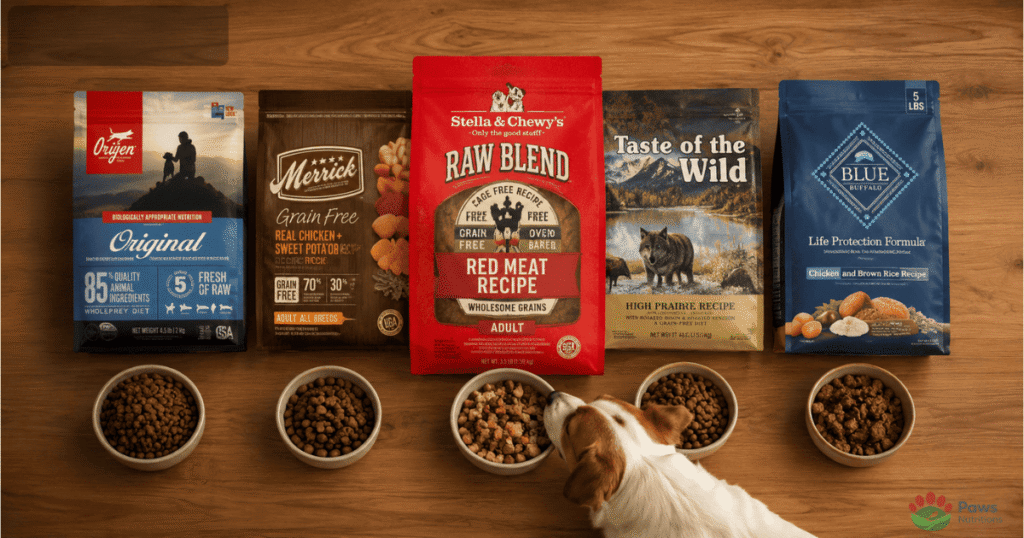
Stella and Chewy vs Orijen
| Feature | Stella and Chewy | Orijen |
| Protein Source | Grass-fed, cage-free, wild-caught | Biologically appropriate multi-protein |
| Protein % (DMB) | 52–58% | 38–42% |
| Recall History | 3 recalls | 1 recall |
| Price | $2.40/oz | $4.56/lb |
| Best For | Raw-inspired feeding | Whole prey diet philosophy |
Which Food Is Better? Both are premium brands. Stella and Chewy wins on protein density and raw processing. Orijen wins on whole-prey philosophy and ingredient variety.
Stella and Chewy vs Open Farm
| Feature | Stella and Chewy | Open Farm |
| Sourcing Transparency | Good | Excellent (farm traceability) |
| Protein % (DMB) | 52–58% | 35–42% |
| Recalls | 3 | 0 |
| Sustainability | Moderate | High |
| Price | $2.40/oz | $4.09/lb |
Which Food Is Better? Open Farm leads on sourcing transparency. Stella and Chewy leads on protein density and raw nutrition technology.
Stella and Chewy vs Instinct Raw
| Feature | Stella and Chewy | Instinct Raw |
| Raw Format | Freeze-dried + frozen | Frozen + freeze-dried |
| Protein % (DMB) | 52–58% | 48–55% |
| Price | $2.40/oz | $58.93/lb |
| Safety Processing | HPP | HPP |
Which Food Is Better? Very comparable. Stella and Chewy has a broader product range. Instinct Raw is often slightly more affordable per serving.
Stella and Chewy vs Wellness CORE
| Feature | Stella and Chewy | Wellness CORE |
| Processing Level | Minimal (freeze-dried) | Standard kibble |
| Protein % (DMB) | 52–58% | 40–48% |
| Price | $2.40/oz | $3.54/lb |
| Best For | Raw-inspired diets | High-protein kibble |
Which Food Is Better? Stella and Chewy wins on raw nutrition philosophy and ingredient quality. Wellness CORE is more affordable.
Stella and Chewy vs Purina Pro Plan
| Feature | Stella and Chewy | Purina Pro Plan |
| Veterinary Endorsement | Moderate | High |
| WSAVA Compliance | Partial | Full |
| Protein % (DMB) | 52–58% | 30–38% |
| Price | $2.40/oz | $2.59/lb |
Which Food Is Better? Purina Pro Plan has stronger WSAVA compliance. Stella and Chewy wins on raw ingredient quality and minimal processing.
Stella and Chewy vs Taste of the Wild
| Feature | Stella and Chewy | Taste of the Wild |
| Recall History | 3 recalls | Multiple recalls |
| Price | $2.40/oz | $2.11/lb |
| Processing Level | Minimal | Standard kibble |
| Best For | Premium raw nutrition | Budget grain-free |
Which Food Is Better? Stella and Chewy wins clearly on ingredient quality and processing. Taste of the Wild is a viable budget option only.
Which Brand Offers the Best Value?
For pure nutritional value per dollar, Stella and Chewy’s Raw Coated Kibble offers the best balance of premium ingredients and manageable pricing. For those committed to maximum raw nutrition, the Freeze-Dried Dinner Patties are unmatched in quality-per-serving despite the higher upfront cost.
Cost Analysis: Is Stella and Chewy Worth the Price?
Average Cost Per Bag
- Freeze-Dried Raw Dinner Patties (16 oz): ~$35–$45
- Raw Coated Kibble (25 lb): ~$90–$120
- Frozen Raw Meals (4 lb): ~$25–$35
- Wet Food (12.5 oz can): ~$4–$6
Cost Per Serving
For a 30-pound adult dog, the freeze-dried patties cost approximately $8–$12 per day as a standalone diet. The raw coated kibble brings that down to $3–$5 per day — still more expensive than standard kibble but significantly more affordable than fresh meal delivery services.
Cost Per Calorie
When calculated on a cost-per-calorie basis, Stella and Chewy’s high calorie density means you use less food per feeding. A $40 bag of freeze-dried patties delivers around 3,200–3,600 kcal, which is competitive with premium kibble when you factor in the nutritional quality differential.
Comparing Costs to Premium Competitors
Stella and Chewy is priced similarly to Orijen and Open Farm, and more expensive than Wellness CORE or Purina Pro Plan. However, it is significantly cheaper than fresh pet food delivery services while offering comparable or superior ingredient quality.
Is the Ingredient Quality Worth the Extra Cost?
For most dog owners who prioritize clean nutrition and fewer veterinary issues long-term, the answer is yes. Higher quality nutrition often translates to better health outcomes, fewer chronic conditions, and lower lifetime veterinary costs — making the investment worthwhile from a total cost of ownership perspective.
Budget-Friendly Buying Tips
- Subscribe and save through Chewy for 10–15% off
- Use the Raw Coated Kibble as the daily base and reserve freeze-dried patties as a topper
- Buy in bulk during sales at PetSmart or Amazon
- Start with meal mixers to test palatability before committing to full bags
How to Transition Your Dog to Stella and Chewy
Step-by-Step Transition Schedule
| Day Range | Previous Food | Stella and Chewy |
| Days 1–3 | 75% | 25% |
| Days 4–6 | 50% | 50% |
| Days 7–9 | 25% | 75% |
| Days 10–14 | 0% | 100% |
Go slower if your dog shows loose stools or digestive upset. There’s no rush.
Common Transition Mistakes
- Switching cold turkey — the most common cause of digestive upset
- Not rehydrating freeze-dried patties adequately before serving
- Overfeeding during the transition period
- Not providing enough fresh water alongside low-moisture freeze-dried food
Signs the Transition Is Going Well
Your dog is eating enthusiastically, producing firm stools, maintaining normal energy levels, and showing no signs of vomiting or excessive gas. Most dogs reach full adaptation within two to three weeks.
Signs Your Dog May Need a Different Formula
Persistent diarrhea beyond two weeks, vomiting, loss of appetite, skin reactions, or behavioral changes during or after transition may signal that the specific protein or fat level isn’t suitable. Try a different Stella and Chewy recipe with a different protein source before switching brands entirely.
Frequently Asked Questions About Stella and Chewy Dog Food
Is Stella and Chewy a Good Dog Food Brand?
Yes — Stella and Chewy is one of the best raw-inspired dog food brands available, offering high-quality proteins, clean ingredients, and AAFCO-compliant nutrition that genuinely outperforms most standard commercial pet foods.
Is Stella and Chewy Vet Recommended?
Many veterinarians recommend it, particularly those who support raw or minimally processed diets. However, some conventional vets prefer brands with stronger WSAVA compliance and longer-term feeding trial data.
Is Stella and Chewy WSAVA Approved?
No — Stella and Chewy is not a WSAVA-endorsed brand. WSAVA guidelines favor large manufacturers who fund extensive nutritional research and feeding trials, which is a different standard than ingredient quality alone.
Has Stella and Chewy Ever Been Recalled?
Yes — Stella and Chewy has had three recalls: in 2017 (Listeria risk), 2019 (Salmonella risk), and 2022 (thiamine deficiency). The company responded proactively to each recall and implemented improved safety measures.
Is Stella and Chewy Good for Puppies?
Yes — their puppy-specific formulas meet AAFCO growth standards and include DHA for brain development, making them a solid premium option for growing puppies.
Is Stella and Chewy Good for Senior Dogs?
Yes — the highly digestible proteins, omega-3 fatty acids, and soft texture options make several Stella and Chewy formulas well-suited to senior dogs with declining digestive efficiency and joint concerns.
Why Is Stella and Chewy So Expensive?
The cost reflects premium ingredient sourcing, freeze-drying technology, HPP safety processing, US manufacturing, and the nutritional density that requires smaller serving sizes compared to standard kibble.
Is Freeze-Dried Dog Food Better Than Kibble?
For most dogs, freeze-dried food offers superior nutrient preservation, higher protein bioavailability, and fewer processed additives — making it nutritionally superior to standard kibble, though not without practical cost and handling considerations.
Can Stella and Chewy Help Dogs With Allergies?
Yes — particularly the LID formulas with novel proteins. The clean ingredient list and absence of common allergens make it one of the better mainstream options for managing food allergies.
Which Stella and Chewy Recipe Is Best?
For most dogs, the Freeze-Dried Raw Beef Dinner Patties offer the best overall nutrition. For budget-conscious owners, the Raw Coated Kibble in Chicken or Beef is the strongest value option.
How Long Does Stella and Chewy Last After Opening?
Freeze-dried products last 4–6 weeks after opening when stored in a cool, dry location with the bag sealed tightly. Frozen raw meals should be used within 3–5 days of thawing.
Can Stella and Chewy Be Mixed With Kibble?
Absolutely — mixing freeze-dried patties or meal mixers with your dog’s current kibble is one of the most popular and practical ways to add raw nutrition without fully switching diets.
Is Stella and Chewy Grain-Free?
Most Stella and Chewy formulas are grain-free, though they do offer some recipes with ancient grains for owners who prefer to include grains in their dog’s diet given the DCM discussion.
Is Stella and Chewy Made in the USA?
Yes — all Stella and Chewy products are manufactured in their own facility in Oak Creek, Wisconsin, ensuring US-based quality control throughout the production process.
What Are the Best Alternatives to Stella and Chewy?
Top alternatives include Instinct Raw, Open Farm, Orijen, Primal Pet Foods, and Wellness CORE — depending on your priorities for price, sourcing transparency, and nutritional profile.
Final Verdict: Is Stella and Chewy Dog Food a Good Choice in 2026?
Biggest Strengths
Stella and Chewy’s greatest strengths lie in its raw-inspired nutrition philosophy, high-quality animal proteins, transparent ingredient sourcing, and HPP-enhanced safety standards. The brand genuinely delivers on its promise of biologically appropriate nutrition — something very few commercial pet food brands can honestly claim.
Biggest Weaknesses
The premium price is the most significant limitation for most dog owners. The grain-free heavy lineup is also a consideration for breeds with cardiac risk factors, and the three recalls in the brand’s history — while handled responsibly — are worth knowing about.
Best Dogs for This Brand
Stella and Chewy works best for active adult dogs, dogs with food sensitivities or allergies, picky eaters, dogs with dull coats or poor digestion, and pet owners who prioritize clean, raw-inspired nutrition above all else.
Situations Where Another Brand May Be Better
Dogs with CKD, pancreatitis, or diagnosed heart disease should eat veterinary therapeutic diets designed for their specific medical needs. Multi-dog households on a tight budget may find Stella and Chewy financially unsustainable as a sole diet.
Our Final Recommendation and Rating
| Category | Score |
| Ingredient Quality | 4.7 / 5 |
| Nutritional Value | 4.6 / 5 |
| Safety Record | 4.2 / 5 |
| Palatability | 4.8 / 5 |
| Value for Money | 4.0 / 5 |
| Overall Rating | 4.5 / 5 |
Stella and Chewy is one of the top raw-inspired dog food brands in 2026, and for most healthy dogs, it delivers exceptional value in terms of nutritional quality, ingredient integrity, and palatability. Yes, it costs more than standard kibble. But what you’re paying for — real animal proteins, organ meats, freeze-drying technology, and HPP-enhanced safety — is genuinely worth it for the health outcomes most owners report. If you can fit it in your budget, even partially as a mixer or topper, Stella and Chewy is a smart investment in your dog’s long-term health and wellbeing.
Disclaimer: This article is intended for informational purposes only. Always consult your veterinarian before making significant changes to your dog’s diet, especially if your dog has existing health conditions.

A dedicated writer and digital enthusiast committed to creating high-quality, informative, and reader-focused content. Through thoughtful research and clear communication, he aims to deliver valuable insights that help readers navigate the ever-changing digital landscape.