
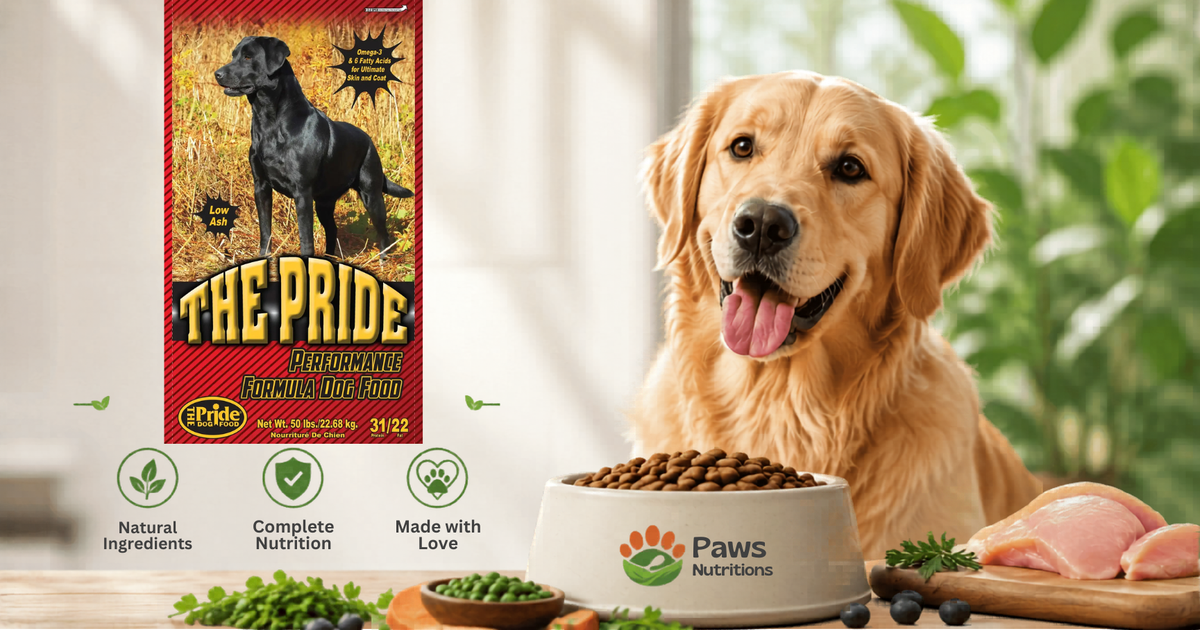
Choosing the right dog food isn’t always easy, especially when you’re trying to balance nutrition, quality, and affordability. If you’ve been searching for an honest Pet Pride Dog Food Review, you’re likely wondering whether this budget-friendly brand can truly meet your dog’s nutritional needs or if spending more on a premium food is the better option.
In this comprehensive review, you’ll discover everything you need to know about Pet Pride, including its ingredients, nutritional value, recall history, safety record, customer feedback, and comparisons with competing brands. We’ll break down the facts in simple terms, highlight the biggest strengths and weaknesses, and help you determine whether Pet Pride is the right choice for your dog in 2026.
Quick Verdict: Is Pet Pride Dog Food Good for Dogs?
If you’re looking for a short answer, Pet Pride can provide adequate nutrition for many healthy adult dogs, but it isn’t among the highest-quality dog foods available today.
The food meets basic nutritional requirements and is formulated to support everyday maintenance for adult dogs. However, several recipes rely heavily on corn, wheat, and various animal by-products, which may not offer the same nutritional value as higher-quality protein-focused formulas.
That doesn’t automatically make Pet Pride unsafe. In fact, many dogs live healthy lives while eating grocery-store dog foods. The bigger question is whether your dog could benefit from better ingredients and more digestible protein sources.
Our Overall Rating
| Category | Rating |
|---|---|
| Ingredient Quality | 5/10 |
| Nutritional Value | 6/10 |
| Safety Record | 7/10 |
| Affordability | 9/10 |
| Ingredient Transparency | 5/10 |
| Overall Value | 6.5/10 |
Pet Pride earns points for affordability and accessibility. However, its ingredient quality falls behind many modern dog foods that emphasize named meat proteins and fewer fillers.
Who Should Consider Pet Pride?
Pet Pride may be suitable for:
- Healthy adult dogs without special dietary needs
- Budget-conscious households
- Multi-dog families looking for affordable feeding options
- Owners who prioritize affordability over premium ingredients
For example, if you have a large Labrador that consumes several cups of kibble every day, feeding an expensive premium food may significantly increase monthly expenses. In that situation, Pet Pride offers a more economical alternative.
Who Should Avoid It?
Pet Pride may not be the best choice for:
- Dogs with food sensitivities
- Dogs with allergies
- Highly active working dogs
- Puppies with specific nutritional requirements
- Dogs requiring specialized veterinary diets
These dogs often benefit from foods containing higher-quality protein sources and more targeted nutritional support.
Best Alternatives at a Similar Price
If you’re shopping within the same budget range, several alternatives may deserve consideration:
- Purina Dog Chow
- Pedigree Adult Dry Dog Food
- Retriever Dog Food
- Kibbles ‘n Bits
Each option has strengths and weaknesses, which we’ll compare later in this review.
Pet Pride Dog Food at a Glance
Before diving into ingredient analysis, it’s helpful to understand what Pet Pride is and where it fits in today’s pet food market.
Quick Facts
| Feature | Details |
|---|---|
| Brand Name | Pet Pride |
| Parent Retailer | Kroger |
| Food Type | Dry and Wet Dog Food |
| Primary Market | Budget Dog Food |
| Availability | Grocery Stores |
| Life Stages | Adult and Puppy Formulas |
| Manufacturing Location | United States (varies by product) |
| Price Range | Budget-Friendly |
Pet Pride has been around for years as Kroger’s private-label pet food brand. Similar to how grocery stores offer their own store-brand products, Kroger developed Pet Pride to provide dog owners with a lower-cost alternative to national brands.
One reason Pet Pride remains popular is convenience. You can often find it during a routine grocery trip rather than making a special visit to a pet supply store. For busy families, that convenience matters.
However, convenience doesn’t automatically translate into quality. That’s why it’s important to look beyond the price tag and evaluate what’s actually inside the bag.
Price Range
One of Pet Pride’s biggest selling points is affordability.
Depending on the recipe and bag size, Pet Pride often costs significantly less than premium dog food brands. For many owners dealing with rising grocery costs, this price difference can be substantial over the course of a year.
Imagine feeding two medium-sized dogs. A premium dog food might cost hundreds of dollars more annually compared to a budget grocery-store option. That’s a meaningful savings for many households.
Still, lower cost often reflects lower ingredient quality, which is why understanding the formula becomes essential.
Availability Across the United States
Pet Pride products are primarily sold through Kroger-owned stores and affiliated supermarket chains.
This wide distribution makes the brand accessible to millions of American households. Unlike niche pet food companies that may only be available online, Pet Pride can often be found right alongside everyday grocery purchases.
For many dog owners, this accessibility contributes to its ongoing popularity despite growing competition from premium and specialty dog food brands.
Who Makes Pet Pride Dog Food?
One of the most common questions pet owners ask is simple: who actually manufactures Pet Pride dog food?
Pet Pride is Kroger’s private-label pet food brand. Kroger is one of the largest grocery retailers in the United States and operates thousands of stores nationwide.
Is Pet Pride a Kroger Brand?
Yes, Pet Pride is owned and marketed by Kroger.
Just as Kroger offers store-brand products in categories like cereal, snacks, and household goods, Pet Pride serves as its in-house dog food option.
This positioning allows Kroger to offer lower prices while competing against nationally recognized pet food brands.
Where Is Pet Pride Dog Food Made?
Pet Pride dog food is manufactured in the United States through contracted production facilities.
Like many private-label pet food brands, Kroger works with third-party manufacturers rather than operating its own pet food production plants. Specific manufacturing partners may vary depending on product type and production needs.
Why Manufacturing Transparency Matters
Modern pet owners increasingly care about where their dog’s food comes from.
Brands that openly discuss sourcing, ingredient origins, testing procedures, and manufacturing standards tend to inspire greater consumer confidence. Unfortunately, Pet Pride provides less public information than many premium dog food brands.
This lack of transparency doesn’t necessarily indicate poor quality. However, it does make it harder for consumers to fully evaluate ingredient sourcing and quality-control practices.
As we move deeper into this review, you’ll see why ingredient quality and transparency often go hand in hand when assessing a dog food’s overall value.
Pet Pride Dog Food Product Line Review
Before judging ingredient quality, it’s important to understand exactly what Pet Pride offers. Unlike many premium brands that feature dozens of specialized formulas, Pet Pride keeps its lineup relatively simple and budget-focused.
The brand primarily targets everyday dog owners who want an affordable feeding option without spending premium-brand prices. Most formulas focus on maintenance nutrition rather than advanced health benefits.
Let’s take a closer look at the most commonly available Pet Pride recipes.
Pet Pride Chunk Style Chicken Flavor Dry Dog Food
This is one of the brand’s most recognizable products and is often considered its flagship formula.
The recipe is designed for adult dogs and contains a combination of grains, meat-based ingredients, vitamins, and minerals intended to provide complete daily nutrition.
Like many grocery-store dog foods, the formula prioritizes affordability. As a result, you’ll notice a greater reliance on grain ingredients compared to premium dog foods that emphasize animal protein.
For healthy adult dogs with no special dietary concerns, this formula may provide adequate nutrition. However, owners seeking higher protein content may find it less appealing.
Pet Pride Small Bites Chicken Flavor
Small-breed dogs often struggle with large kibble pieces. That’s where Small Bites formulas become useful.
This recipe features smaller kibble sizes that are easier for toy and small-breed dogs to chew. The nutritional profile is generally similar to the standard adult formula, although kibble shape and size are adjusted for smaller mouths.
Many owners of Chihuahuas, Yorkshire Terriers, and Shih Tzus prefer smaller kibble because it reduces chewing difficulty and encourages consistent eating habits.
Pet Pride Puppy Formula
Growing puppies have very different nutritional needs than adult dogs.
Puppies require additional protein, calories, fats, vitamins, and minerals to support rapid growth and development. Pet Pride’s puppy formula attempts to address those needs through a nutrient profile designed specifically for younger dogs.
While the formula meets basic growth requirements, many veterinarians recommend higher-quality puppy foods that contain more animal-based protein and fewer filler ingredients during critical growth stages.
Pet Pride Crunchy Bites Steak and Vegetable Flavor
This formula is marketed as a flavorful option featuring steak-inspired taste alongside vegetable ingredients.
The recipe follows a similar budget-friendly philosophy found throughout the Pet Pride lineup. It combines grain ingredients, meat-derived proteins, fats, and nutritional supplements to create a complete dry dog food.
Many dogs enjoy the flavor profile, which contributes to its popularity among picky eaters.
Pet Pride Wet Dog Food Options
In addition to dry kibble, Pet Pride offers canned dog food varieties.
Wet foods can be useful for:
- Senior dogs with dental issues
- Dogs that struggle with hydration
- Picky eaters
- Owners looking to mix wet and dry food
Because wet food contains significantly more moisture, it often provides stronger aroma and flavor compared to kibble.
However, canned foods generally cost more per serving than dry formulas.
Pet Pride Dog Food Ingredients Analysis
When evaluating any dog food, ingredients matter far more than marketing claims.
The ingredient list reveals where most of the nutrition comes from and helps determine whether a food delivers quality nourishment or simply fills your dog’s stomach.
One reason many pet owners search for a detailed Pet Pride dog food review is to understand what’s actually inside the bag.
Let’s break it down ingredient by ingredient.
First Five Ingredients Explained
The first several ingredients on a dog food label usually account for the largest portion of the recipe.
These ingredients tell you more about food quality than flashy packaging ever could.
In many Pet Pride formulas, you’ll commonly find ingredients such as:
- Ground corn
- Corn gluten meal
- Meat and bone meal
- Animal fat
- Wheat middlings
While these ingredients can contribute calories and nutrients, they aren’t necessarily considered premium-quality ingredients by modern pet nutrition standards.
This doesn’t mean they’re unsafe. However, their nutritional value differs significantly from formulas built around named meat proteins.
For example, compare these two ingredient approaches:
Premium Formula
- Deboned Chicken
- Chicken Meal
- Turkey Meal
Budget Formula
- Ground Corn
- Corn Gluten Meal
- Meat and Bone Meal
The first formula derives most of its nutrition from animal protein sources. The second relies more heavily on plant-based ingredients and lower-cost protein alternatives.
That’s a major distinction when evaluating overall food quality.
Animal Protein Sources
Protein is one of the most important nutrients in a dog’s diet.
Dogs require protein to maintain:
- Muscle mass
- Healthy skin
- Coat quality
- Organ function
- Immune system support
Pet Pride does contain protein, but much of it comes from a combination of meat and bone meal, animal by-products, and plant-based protein boosters such as corn gluten meal.
This is where many budget dog foods differ from premium brands.
Premium formulas typically use clearly identified protein sources like:
- Chicken
- Turkey
- Beef
- Salmon
- Lamb
These ingredients provide transparency and often offer higher-quality amino acid profiles.
Meanwhile, generic protein ingredients provide less information about their origins and quality.
What Is Meat and Bone Meal?
One ingredient that often raises questions is meat and bone meal.
Despite sounding unpleasant, this ingredient is commonly used throughout the pet food industry.
Meat and bone meal is produced by rendering animal tissues and bones into a concentrated protein powder.
The advantage is that it contains protein and minerals.
The downside is limited transparency.
Unlike “chicken meal” or “salmon meal,” meat and bone meal doesn’t identify the specific animal source. As a result, consumers have less insight into ingredient quality and consistency.
Many nutrition experts prefer named protein meals because they provide greater transparency.
Poultry By-Products Explained
Another commonly misunderstood ingredient category is poultry by-products.
Many pet owners immediately assume by-products are harmful. The reality is more complicated.
By-products may include:
- Organs
- Necks
- Feet
- Other non-muscle tissues
Some of these ingredients can actually provide valuable nutrients.
For example, liver contains significant amounts of vitamins and minerals.
The concern isn’t necessarily the presence of by-products themselves. Rather, it’s the lack of specificity.
When a label simply says “poultry by-product meal,” consumers don’t know exactly which ingredients are being used or in what proportions.
Transparency remains one of the biggest differences between budget and premium dog food brands.
Corn as a Main Ingredient
One of the most debated ingredients in dog food is corn.
Many Pet Pride recipes rely heavily on corn-based ingredients.
Corn serves several purposes:
- Provides carbohydrates
- Supplies calories
- Contributes some protein
- Helps create kibble structure
Contrary to popular myths, corn isn’t inherently dangerous for dogs.
In fact, properly processed corn can be digested effectively by many healthy dogs.
However, there are legitimate concerns.
Corn contains less biologically appropriate protein than animal meat. In addition, heavy reliance on corn may reduce overall protein quality compared to meat-focused recipes.
Think of it this way.
A dog can survive and function on a corn-heavy diet. However, many nutrition experts would prefer a greater percentage of calories coming from animal protein.
That’s an important distinction.
Wheat and Other Grain Ingredients
Pet Pride formulas often include wheat middlings and other grain-based ingredients.
These ingredients help keep production costs low while supplying calories and fiber.
Some dogs digest wheat without any problems.
Others may experience:
- Digestive upset
- Food sensitivities
- Skin irritation
- Chronic itching
It’s worth noting that true grain allergies remain relatively uncommon in dogs. Protein sources are actually responsible for more food allergies than grains.
Still, dogs with known sensitivities may perform better on alternative formulas.
Animal Fat and Palatability
One reason many dogs willingly eat Pet Pride is the inclusion of animal fat.
Fat plays several important roles:
- Improves flavor
- Increases calorie density
- Supports skin health
- Supports coat condition
Dogs naturally enjoy fat because it enhances taste and aroma.
However, the ingredient label often doesn’t specify the exact animal source. Again, this becomes a transparency issue rather than a direct safety concern.
Premium brands frequently identify fat sources such as:
- Chicken fat
- Salmon oil
- Beef fat
Specific ingredient identification generally provides greater confidence in product quality.
Artificial Colors, Flavors, and Preservatives
Modern pet owners increasingly pay attention to food additives.
Some Pet Pride products may contain artificial colors and preservatives that are less common in premium brands.
These additives help improve:
- Shelf life
- Product appearance
- Consistency
While approved preservatives are considered safe when used properly, many pet owners prefer foods preserved naturally with ingredients such as mixed tocopherols (Vitamin E).
The growing trend in pet nutrition is moving toward simpler ingredient lists with fewer artificial additives.
Vitamins and Mineral Supplementation
One area where Pet Pride performs reasonably well is nutritional supplementation.
Like most commercial dog foods, the formulas contain added vitamins and minerals designed to meet AAFCO nutritional standards.
These supplements help provide:
- Vitamin A
- Vitamin D
- Vitamin E
- Zinc
- Iron
- Copper
- Selenium
Without these additions, many formulas would struggle to provide complete nutrition.
As a result, vitamin and mineral fortification plays an important role in making budget dog foods nutritionally adequate for everyday feeding.
Key Ingredient Takeaway
The ingredient profile of Pet Pride reflects its position as a budget-friendly grocery-store dog food.
The formulas prioritize affordability through the use of corn, wheat, meat and bone meal, and animal by-products. These ingredients help keep costs low while still delivering complete nutrition.
However, owners seeking higher-quality protein sources, greater ingredient transparency, and more premium nutrition may find better options elsewhere.
The next step is examining whether the nutritional numbers behind these ingredients support your dog’s health and daily energy needs.
Pet Pride Guaranteed Analysis and Nutritional Breakdown
Ingredients tell part of the story, but nutritional analysis reveals what your dog is actually getting from the food. A dog food label may look impressive at first glance, yet the guaranteed analysis often provides a more accurate picture of the food’s nutritional value.
When evaluating any Pet Pride dog food review, understanding the nutritional breakdown is essential. This information helps you determine whether the food provides enough protein, fat, fiber, and calories to support your dog’s daily needs.
Understanding Guaranteed Analysis
Every commercial dog food sold in the United States must display a Guaranteed Analysis section on the packaging.
This section provides minimum or maximum percentages for key nutrients, including:
- Crude Protein
- Crude Fat
- Crude Fiber
- Moisture
Think of guaranteed analysis as a nutritional snapshot. It doesn’t tell you everything about ingredient quality, but it does reveal the basic nutrient composition of the food.
For many dog owners, this is where confusion begins. A food may contain a respectable protein percentage on paper while relying heavily on plant-based protein sources rather than animal protein.
That’s why it’s important to evaluate both ingredients and nutrient levels together.
Crude Protein Percentage
Protein is the foundation of a healthy canine diet.
Dogs need protein to maintain muscles, repair tissues, support immune function, and produce essential enzymes and hormones.
Most Pet Pride dry dog food formulas provide protein levels that meet minimum nutritional requirements for adult maintenance.
However, protein quantity isn’t the same as protein quality.
For example, imagine two dog foods that both contain 22% protein.
Food A gets most of its protein from chicken and salmon.
Food B gets much of its protein from corn gluten meal and generic meat meals.
Although the numbers appear identical, Food A generally offers a superior amino acid profile and greater nutritional value.
This is one reason premium dog foods often command higher prices.
Is Pet Pride’s Protein Level Enough?
For healthy adult dogs with moderate activity levels, Pet Pride’s protein content is generally adequate.
However, highly active dogs may benefit from formulas with:
- Higher animal-protein content
- Better amino acid balance
- Greater digestibility
Working breeds such as Border Collies, German Shepherds, and Labrador Retrievers often perform best on diets that emphasize high-quality protein sources.
Crude Fat Percentage
Fat is frequently misunderstood.
Many pet owners worry when they see fat listed on a dog food label, but dietary fat serves several critical functions.
Healthy fats help support:
- Skin health
- Coat condition
- Brain function
- Energy production
- Vitamin absorption
Pet Pride formulas typically contain moderate fat levels suitable for everyday maintenance.
For average household pets, these levels are generally acceptable.
However, extremely active dogs often require higher-fat diets to support increased energy expenditure.
A hunting dog running through fields all day has very different nutritional requirements than a senior dog spending most of the day on the couch.
Why Fat Improves Taste
There’s another reason dogs enjoy fatty foods.
Fat enhances aroma and flavor.
If you’ve ever noticed your dog becoming excited when a food bag opens, the scent released by fats often plays a major role in that reaction.
This increased palatability helps explain why many dogs willingly eat budget-friendly foods despite ingredient limitations.
Crude Fiber Percentage
Fiber doesn’t receive as much attention as protein and fat, but it plays an important role in digestive health.
Fiber helps:
- Promote healthy bowel movements
- Support digestive regularity
- Improve stool quality
- Encourage beneficial gut bacteria
Pet Pride formulas typically contain moderate fiber levels that help support normal digestion.
However, excessive fiber can sometimes reduce nutrient absorption by moving food through the digestive tract too quickly.
Finding the right balance is important.
Most healthy dogs do well with moderate fiber levels that support digestion without interfering with nutrient utilization.
Moisture Content
Dry kibble contains significantly less moisture than canned food.
Most dry dog foods contain approximately 10% moisture or less.
By comparison, wet dog food may contain 70% to 80% moisture.
This difference affects both feeding volume and hydration.
Dogs eating primarily dry kibble should always have access to clean drinking water throughout the day.
Some owners choose to add warm water to kibble to increase moisture intake and improve palatability.
This simple adjustment can be especially helpful for senior dogs.
Nutritional Breakdown on a Dry Matter Basis
One concept many competitors completely overlook is dry matter analysis.
If you want a truly accurate nutritional comparison, you must remove moisture from the equation.
Dry matter analysis allows pet owners to compare foods fairly, regardless of moisture content.
For example:
A canned food with 10% protein may initially appear lower in protein than a dry kibble containing 22% protein.
However, after moisture is removed, the canned food may actually contain significantly more protein on a dry matter basis.
Why Dry Matter Analysis Matters
Veterinary nutritionists often use dry matter calculations because they provide a clearer picture of nutrient concentration.
Without this adjustment, comparing foods becomes difficult.
Although Pet Pride is primarily sold as dry kibble, understanding dry matter analysis helps you evaluate its nutritional density against competing products.
This deeper level of analysis is particularly useful when comparing budget foods to premium alternatives.
Is Pet Pride Dog Food AAFCO Approved?
One of the most common questions dog owners ask is whether Pet Pride meets AAFCO standards.
The short answer is yes.
Most Pet Pride formulas are designed to meet AAFCO nutritional profiles for their intended life stage.
However, understanding what that actually means is important.
What Is AAFCO?
AAFCO (Association of American Feed Control Officials) helps establish nutritional standards for pet foods sold in the United States.
Contrary to popular belief, AAFCO does not directly approve dog foods.
Instead, it creates nutrient guidelines that manufacturers use when formulating recipes.
When a dog food states it is complete and balanced according to AAFCO standards, it means the formula meets specific nutritional requirements.
Why AAFCO Matters
Without nutritional standards, dog food quality would vary dramatically.
AAFCO guidelines help ensure that dogs receive essential nutrients needed for basic health and maintenance.
These standards cover nutrients such as:
- Protein
- Fat
- Vitamins
- Minerals
- Amino acids
As a result, AAFCO compliance provides a useful baseline for evaluating commercial dog foods.
Does AAFCO Compliance Mean High Quality?
Not necessarily.
This is an important distinction.
AAFCO compliance means a food meets minimum nutritional standards.
It does not automatically mean the ingredients are premium quality.
Think of it like a car passing safety requirements.
Meeting minimum standards is important, but it doesn’t automatically place the vehicle in the luxury category.
The same principle applies to dog food.
Pet Pride meets nutritional requirements, but ingredient quality remains a separate discussion.
Digestibility and Nutritional Value
One area many dog food reviews fail to discuss is digestibility.
Digestibility refers to how effectively a dog’s body can break down and absorb nutrients from food.
This factor often separates average foods from excellent ones.
Why Digestibility Matters
Imagine two dog foods containing identical nutrient levels.
If one food allows the dog to absorb more nutrients, that food delivers greater nutritional value.
That’s digestibility in action.
A dog doesn’t benefit from nutrients that pass through the digestive system without being absorbed.
Protein Bioavailability Explained
Another overlooked concept is protein bioavailability.
Bioavailability measures how efficiently a dog’s body can use protein after digestion.
Generally speaking:
- Animal proteins offer higher bioavailability
- Plant proteins offer lower bioavailability
Because many Pet Pride recipes rely partially on plant-based protein contributors such as corn gluten meal, overall protein utilization may be lower than foods built primarily around named meat ingredients.
This doesn’t mean the food lacks protein.
Rather, it means the body may not use every gram equally.
Corn-Based Diets and Digestibility
Corn often sparks debate in the pet nutrition world.
The reality is more balanced than many marketing campaigns suggest.
Properly processed corn can be digested effectively by many dogs.
However, corn-based diets generally provide less species-appropriate nutrition than diets emphasizing animal protein.
Most healthy dogs can tolerate corn.
The bigger concern is whether too much of the diet relies on corn instead of higher-quality protein sources.
Pet Pride Dog Food Feeding Guide
Feeding the correct amount is just as important as choosing the right food.
Even a nutritionally complete dog food can contribute to health problems if portions are excessive.
Daily Feeding Chart by Weight
The following chart provides general feeding recommendations for adult dogs.
| Dog Weight | Daily Feeding Amount |
|---|---|
| 5–10 lbs | 1/2 to 1 cup |
| 10–20 lbs | 1 to 1½ cups |
| 20–50 lbs | 1½ to 3 cups |
| 50–75 lbs | 3 to 4 cups |
| 75–100 lbs | 4 to 5 cups |
| 100+ lbs | 5+ cups |
These amounts should be adjusted based on activity level, metabolism, age, and overall health.
Feeding Active Dogs
Active dogs burn more calories throughout the day.
Examples include:
- Sporting dogs
- Herding breeds
- Hunting dogs
- Agility competitors
These dogs often require larger portions to maintain healthy body condition.
Monitor weight regularly and adjust feeding amounts accordingly.
Feeding Senior Dogs
Older dogs generally need fewer calories than younger adults.
As metabolism slows, excessive feeding can contribute to obesity.
Many senior dogs benefit from:
- Smaller meals
- Controlled calorie intake
- Regular weight monitoring
Monitoring Body Condition
Rather than relying solely on feeding charts, observe your dog’s body condition.
You should be able to:
- Feel the ribs without excessive pressure
- See a visible waistline from above
- Observe a tucked abdomen from the side
These visual indicators often provide better guidance than numbers alone.
Key Nutritional Takeaway
Pet Pride provides nutritionally complete formulas that meet basic AAFCO standards and support maintenance for many healthy adult dogs. The food delivers adequate protein, fat, vitamins, and minerals at an affordable price point.
However, ingredient quality, protein bioavailability, and digestibility remain areas where premium dog foods often outperform budget grocery-store brands. For owners focused primarily on value and affordability, Pet Pride can be a practical option. For those seeking optimal nutrition, higher-quality alternatives may offer additional benefits.
Pet Pride Dog Food Recall History
When evaluating any dog food, safety should be just as important as nutrition. A food can contain decent nutrient levels, but if manufacturing practices or ingredient sourcing create safety concerns, that’s something every pet owner deserves to know.
One of the most searched questions related to Pet Pride dog food review is whether the brand has ever been recalled.
The answer is yes.
However, understanding what happened and what it means today requires a closer look.
Complete Recall Timeline
Pet Pride’s recall history is relatively limited compared to some larger pet food brands that have experienced multiple safety incidents over the years.
The most notable event occurred in late 2010, when certain Pet Pride dog food products were recalled due to potential contamination concerns.
Although any recall is serious, context matters.
A single historical recall does not automatically indicate that a product remains unsafe today. Instead, pet owners should evaluate the nature of the recall, the company’s response, and whether similar incidents have occurred since.
The 2010 Recall Explained
The Pet Pride recall involved concerns about elevated levels of aflatoxin, a naturally occurring toxin that can develop under certain environmental conditions.
Aflatoxin contamination has affected numerous pet food brands throughout the industry, particularly when ingredients such as corn are exposed to specific moisture and storage conditions.
The issue was not unique to Pet Pride.
Several manufacturers have faced similar contamination challenges because aflatoxin originates from mold growth rather than from intentional ingredient additions.
Still, the recall raised important questions about ingredient sourcing, quality control, and food safety monitoring.
Why Recalls Matter
Some pet owners immediately avoid any brand that has experienced a recall.
Others view recalls differently.
In reality, recalls can sometimes demonstrate that safety systems are working.
When manufacturers identify a problem and remove products before wider harm occurs, it shows that monitoring systems are functioning.
The more important question is how companies respond and whether recurring safety issues continue to appear.
In Pet Pride’s case, no pattern of frequent recalls has emerged over the years.
That distinction is worth considering when evaluating overall risk.
What Is Aflatoxin and Why Is It Dangerous?
Many competitors briefly mention aflatoxin without explaining what it actually is.
Yet understanding aflatoxin helps pet owners make informed decisions.
Understanding Aflatoxin Contamination
Aflatoxin is a toxin produced by certain molds that can grow on crops such as:
- Corn
- Peanuts
- Cottonseed
- Various grains
When environmental conditions become warm and humid, mold growth may increase.
If contaminated ingredients enter the food supply, aflatoxin can eventually reach pet food products.
The toxin cannot be seen simply by looking at kibble.
That’s why ingredient testing and quality control procedures are critical.
Why Dogs Are Vulnerable
Dogs can be particularly sensitive to aflatoxin exposure.
The toxin primarily affects the liver, which plays a vital role in filtering harmful substances from the body.
When significant exposure occurs, liver damage may develop rapidly.
In severe cases, aflatoxin poisoning can become life-threatening.
Fortunately, modern quality-control systems help reduce the likelihood of contaminated ingredients reaching consumers.
Symptoms of Aflatoxin Poisoning
Pet owners should recognize warning signs associated with potential toxin exposure.
Symptoms may include:
- Loss of appetite
- Lethargy
- Vomiting
- Diarrhea
- Yellowing of the eyes or gums
- Difficulty walking
- Unusual bleeding
These symptoms can also occur with many other medical conditions.
If they appear suddenly, veterinary evaluation should be sought immediately.
How Manufacturers Reduce Risk
Modern pet food manufacturers use several strategies to reduce contamination risks.
These include:
- Ingredient screening
- Supplier verification
- Laboratory testing
- Moisture monitoring
- Production controls
No food system is completely risk-free.
However, strong quality-control practices significantly lower the likelihood of contamination events.
Has Pet Pride Been Recalled Since 2010?
One encouraging aspect of Pet Pride’s safety profile is the lack of frequent recall activity.
Many pet owners assume that a historical recall automatically predicts future problems.
That isn’t necessarily true.
A brand’s long-term safety record matters more than a single isolated event.
Recent Safety Performance
Since the well-known aflatoxin-related recall, Pet Pride has not developed a reputation for recurring safety problems.
For pet owners, this provides some reassurance.
Repeated recalls often indicate deeper manufacturing or sourcing issues.
The absence of recurring incidents suggests that corrective measures may have improved safety oversight.
Should You Worry About Past Recalls?
Every pet owner has a different comfort level.
Some prefer only premium brands with extensive transparency and advanced quality-control programs.
Others recognize that many pet food companies have experienced recalls at some point in their history.
The most balanced approach is to view recalls as one factor among many.
Ingredient quality, nutritional adequacy, company transparency, and long-term safety records all deserve consideration.
Pet Pride Dog Food Safety Review
Beyond recalls, safety involves evaluating the complete picture.
This includes ingredients, manufacturing practices, nutritional adequacy, and overall product consistency.
Ingredient Safety Assessment
Most Pet Pride ingredients are commonly used throughout the pet food industry.
However, some ingredients generate ongoing debate among pet nutrition professionals.
Examples include:
- Corn gluten meal
- Meat and bone meal
- Animal by-products
- Artificial preservatives
These ingredients are generally considered legal and acceptable for use in pet food.
The concern usually centers on quality rather than immediate safety.
Premium foods often provide greater ingredient transparency and more clearly identified protein sources.
Manufacturing Transparency
Transparency remains one of Pet Pride’s weaker areas.
Many premium brands openly discuss:
- Ingredient sourcing
- Manufacturing facilities
- Testing procedures
- Supplier standards
Pet Pride provides less publicly available information than some competitors.
While this does not automatically indicate poor quality, transparency often helps build consumer confidence.
Safety Scorecard
| Safety Category | Rating |
|---|---|
| Recall History | 7/10 |
| Ingredient Transparency | 5/10 |
| Manufacturing Disclosure | 5/10 |
| Nutritional Adequacy | 7/10 |
| Overall Safety Rating | 6.5/10 |
Overall, Pet Pride appears reasonably safe for healthy adult dogs, though it does not offer the same level of transparency found in many premium brands.
Real Customer Reviews and Owner Experiences
Numbers and ingredient lists are useful, but real-world experiences provide another layer of insight.
Dog owners often notice things that nutritional labels cannot reveal.
What Owners Like About Pet Pride
The most common positive feedback centers around affordability.
Many households appreciate being able to feed their dogs without dramatically increasing grocery expenses.
Owners frequently mention:
- Budget-friendly pricing
- Easy availability
- Good acceptance by dogs
- Consistent product availability
For multi-dog households, cost savings can become particularly significant.
A family feeding three large dogs may save hundreds of dollars annually compared to premium alternatives.
Taste Acceptance
One area where Pet Pride performs reasonably well is palatability.
Many dogs willingly eat the food and appear to enjoy its flavor.
This isn’t surprising.
Ingredients such as animal fats often improve aroma and taste, making foods more appealing to dogs.
Even picky eaters sometimes accept Pet Pride without difficulty.
Common Complaints
Not all feedback is positive.
Some owners report concerns involving:
- Lower ingredient quality
- Digestive sensitivity
- Loose stools
- Excessive gas
- Coat quality concerns
It’s important to remember that individual dogs respond differently to food.
A formula that works perfectly for one dog may not work well for another.
Real-Life Feeding Scenario
Consider two dogs living in the same household.
A healthy adult Labrador with no food sensitivities may thrive on a budget-friendly formula like Pet Pride.
Meanwhile, a sensitive-skinned Bulldog could experience itching or digestive discomfort and benefit from a more specialized diet.
This illustrates why individual response matters more than marketing claims.
What Veterinarians Think About Pet Pride Dog Food
Veterinarians often evaluate dog food differently than consumers.
Rather than focusing solely on marketing or ingredient buzzwords, they look at overall nutritional adequacy and health outcomes.
The Veterinary Perspective
Most veterinarians acknowledge that Pet Pride can provide basic nutrition for healthy adult dogs.
Because the food meets AAFCO nutritional standards, it delivers essential nutrients required for maintenance.
From a purely nutritional standpoint, that matters.
A dog food doesn’t need exotic ingredients to meet minimum nutritional requirements.
Areas of Concern
At the same time, many veterinary nutrition professionals would prefer to see:
- More named animal proteins
- Greater ingredient transparency
- Improved protein quality
- Fewer filler ingredients
These improvements could enhance overall nutritional value and digestibility.
When Veterinarians Recommend Upgrading
Certain dogs may benefit from higher-quality nutrition.
Examples include:
- Growing puppies
- Senior dogs with health concerns
- Working dogs
- Dogs with allergies
- Dogs with digestive disorders
For these animals, premium foods often provide more targeted nutritional support.
The Balanced Veterinary View
The reality is more nuanced than many online debates suggest.
Pet Pride is neither the best dog food available nor the worst.
It’s a budget-focused food designed to provide complete nutrition at an affordable price.
For healthy dogs without special needs, it may perform adequately.
However, owners seeking higher-quality ingredients, superior protein sources, and enhanced transparency will likely find stronger options elsewhere.
Key Safety and Expert Takeaway
Pet Pride’s safety record is better than many people assume. While the brand experienced a notable recall involving aflatoxin contamination, it has not developed a pattern of repeated safety incidents. Most formulas meet AAFCO nutritional standards and provide adequate nutrition for healthy adult dogs.
That said, ingredient transparency, protein quality, and manufacturing disclosure remain areas where many premium brands maintain an advantage. Pet owners seeking the highest-quality nutrition may prefer more advanced formulas, while budget-conscious households may find Pet Pride to be a practical and reasonably safe option.
Pet Pride vs. Other Popular Budget Dog Food Brands
One of the biggest mistakes dog owners make is evaluating a food in isolation.
A dog food might seem good—or bad—until you compare it directly with competing products in the same price range.
That’s why comparison shopping is important.
Pet Pride isn’t competing with premium brands like Orijen, Acana, or Open Farm. Instead, it competes against other affordable grocery-store and farm-store dog foods.
Let’s see how it stacks up.
Pet Pride vs Pedigree
Pedigree is one of the most recognized dog food brands in America.
Like Pet Pride, Pedigree focuses on affordability and widespread availability. However, there are a few notable differences.
Ingredient Comparison
| Feature | Pet Pride | Pedigree |
|---|---|---|
| Primary Protein Sources | Meat & Bone Meal | Meat & Bone Meal |
| Corn Usage | High | Moderate to High |
| Wheat Content | Common | Common |
| Artificial Colors | Present in some recipes | Present in some recipes |
| Ingredient Transparency | Moderate | Slightly Better |
Both brands rely heavily on grains and rendered ingredients.
Neither would be considered a premium-quality food by modern pet nutrition standards.
However, Pedigree generally offers slightly better ingredient consistency and stronger brand transparency.
Protein Comparison
Protein levels between the two foods are fairly similar.
The bigger factor is protein sourcing.
Neither brand focuses heavily on named animal proteins, but Pedigree formulas often provide slightly more consistency across product lines.
Recall History Comparison
| Category | Pet Pride | Pedigree |
|---|---|---|
| Major Recall Events | Limited | Multiple Historical Recalls |
| Recent Safety Concerns | Low | Moderate |
| Transparency | Average | Good |
Interestingly, Pet Pride’s recall history is not significantly worse than Pedigree’s.
Which Food Is Better?
If price is identical, Pedigree usually earns a slight edge because of stronger brand oversight and broader nutritional research.
However, the difference isn’t dramatic.
Winner: Pedigree (Slight Advantage)
Pet Pride vs Ol’ Roy
Ol’ Roy is Walmart’s private-label dog food and one of Pet Pride’s closest competitors.
Both brands target budget-conscious dog owners.
Ingredient Quality Comparison
| Category | Pet Pride | Ol’ Roy |
|---|---|---|
| Animal Protein Quality | Average | Average |
| Grain Content | High | High |
| Transparency | Moderate | Moderate |
| Artificial Additives | Common | Common |
The similarities are striking.
Both products rely on cost-effective ingredients and provide basic nutrition rather than premium nutrition.
Price Comparison
In many regions, Ol’ Roy costs slightly less.
However, price differences are often small enough that ingredient quality becomes more important than saving a few cents per pound.
Customer Satisfaction
Owner experiences tend to be mixed for both brands.
Some dogs perform well.
Others experience:
- Digestive upset
- Excessive stool volume
- Skin issues
These reactions are not universal, but they occur often enough to warrant consideration.
Which Food Is Better?
The difference between Pet Pride and Ol’ Roy is minimal.
Pet Pride generally receives a small advantage due to its slightly stronger safety reputation.
Winner: Pet Pride (Small Advantage)
Pet Pride vs Retriever Dog Food
Retriever is sold primarily through farm and ranch supply stores.
Many dog owners view it as a step above typical grocery-store brands.
Ingredient Quality
Retriever often includes more clearly identified protein sources than Pet Pride.
This improves transparency and gives buyers a better understanding of what they’re feeding.
Nutritional Value
Retriever formulas often contain:
- Higher protein levels
- Better fat profiles
- Improved digestibility
This can be beneficial for active breeds and working dogs.
Cost Comparison
Retriever typically costs more than Pet Pride.
However, many owners consider the upgrade worthwhile.
Which Food Is Better?
Retriever offers stronger ingredient quality and generally provides better nutritional value.
Winner: Retriever
Pet Pride vs Purina Dog Chow
Among budget dog foods, Purina Dog Chow is often considered one of the strongest competitors.
Purina benefits from extensive nutritional research and decades of feeding studies.
Ingredient Comparison
| Feature | Pet Pride | Purina Dog Chow |
|---|---|---|
| Research Backing | Limited | Extensive |
| Feeding Trials | Limited Public Information | Strong History |
| Ingredient Transparency | Moderate | Better |
| Veterinary Acceptance | Moderate | High |
Why Research Matters
Many pet owners focus only on ingredient lists.
However, feeding trials and nutritional testing provide valuable information about real-world performance.
Purina invests heavily in nutrition research.
This gives the brand an advantage that many private-label competitors lack.
Protein and Digestibility
Although Purina Dog Chow isn’t considered premium food, many veterinary professionals view it as nutritionally reliable.
Digestibility and consistency often exceed expectations for its price category.
Which Food Is Better?
Purina Dog Chow offers stronger nutritional research, better transparency, and greater veterinary acceptance.
Winner: Purina Dog Chow
Budget Dog Food Comparison Table
| Feature | Pet Pride | Pedigree | Ol’ Roy | Retriever | Purina Dog Chow |
|---|---|---|---|---|---|
| Affordability | 9/10 | 8/10 | 9/10 | 7/10 | 8/10 |
| Ingredient Quality | 5/10 | 6/10 | 5/10 | 7/10 | 7/10 |
| Digestibility | 6/10 | 6/10 | 5/10 | 7/10 | 8/10 |
| Transparency | 5/10 | 6/10 | 5/10 | 7/10 | 8/10 |
| Safety Reputation | 7/10 | 7/10 | 6/10 | 7/10 | 8/10 |
| Overall Value | 6.5/10 | 7/10 | 6/10 | 7.5/10 | 8/10 |
Best Alternatives to Pet Pride Dog Food
Not every dog requires a premium food.
However, some owners may want better ingredients without dramatically increasing their budget.
Here are some alternatives worth considering.
Best Budget Alternative
Purina Dog Chow
Why it stands out:
- Research-backed nutrition
- Strong availability
- Good value for money
- Widely trusted by veterinarians
Best Mid-Range Upgrade
Purina ONE
Purina ONE bridges the gap between grocery-store foods and premium brands.
Benefits include:
- Named animal proteins
- Better ingredient quality
- Improved digestibility
- Enhanced nutrient profile
Best Premium Upgrade
Owners looking to move beyond budget foods often choose Taste of the Wild.
Advantages include:
- Higher protein content
- Better ingredient sourcing
- Grain-free options
- Strong reputation among pet owners
Best Sensitive Stomach Option
Hill’s Science Diet Sensitive Stomach & Skin
Dogs with digestive issues frequently benefit from more specialized formulas.
This option focuses on:
- Easy digestion
- Skin support
- Controlled ingredients
Best Puppy Alternative
Growing puppies have unique nutritional requirements.
Purina Pro Plan Puppy provides:
- DHA for brain development
- Higher-quality protein
- Strong growth support
Cost Analysis: Is Pet Pride Worth the Money?
Price remains one of Pet Pride’s strongest selling points.
For many families, dog food costs have become a major household expense.
This is especially true for owners of large breeds.
Price Per Pound
Pet Pride generally falls into the lower end of the pricing spectrum.
| Brand | Approximate Cost Level |
|---|---|
| Pet Pride | Very Low |
| Ol’ Roy | Very Low |
| Pedigree | Low |
| Purina Dog Chow | Low to Moderate |
| Retriever | Moderate |
| Purina ONE | Moderate |
| Taste of the Wild | Premium |
The exact price varies by retailer and location, but Pet Pride consistently ranks among the most affordable options.
Cost Per Day
Let’s consider a practical example.
A 60-pound adult dog may consume approximately 3 cups of food daily.
Over the course of a year, even a small price difference per pound can translate into hundreds of dollars in additional feeding costs.
For multi-dog households, those savings become even more noticeable.
Monthly Feeding Cost Example
| Food Category | Estimated Monthly Cost |
|---|---|
| Budget Food | Lower |
| Mid-Range Food | Moderate |
| Premium Food | Highest |
While premium foods cost more upfront, some owners report benefits such as:
- Improved coat quality
- Better digestion
- Smaller stools
- Increased energy levels
Whether those benefits justify the added cost depends on your dog’s individual needs.
Value for Budget-Conscious Owners
Pet Pride’s strongest advantage remains value.
The food provides complete nutrition at a price point many households can comfortably manage.
For owners feeding multiple dogs, that affordability can be difficult to ignore.
However, value isn’t just about paying less.
True value balances:
- Cost
- Ingredient quality
- Digestibility
- Safety
- Nutritional adequacy
Pet Pride performs reasonably well in that equation, but several competitors offer stronger overall nutrition for a modest increase in cost.
Is Pet Pride Dog Food Actually Worth Buying?
After evaluating ingredients, nutritional value, safety history, customer feedback, and competing products, the answer depends largely on your priorities.
Situations Where Pet Pride Makes Sense
Pet Pride may be a practical choice if:
- Your dog is healthy and active
- Budget is a major consideration
- You need a widely available food
- Your dog tolerates grain-based formulas well
Situations Where You Should Upgrade
You may want a higher-quality food if:
- Your dog has allergies
- Digestive issues are present
- You prefer named meat proteins
- Ingredient transparency matters to you
- Your dog requires specialized nutrition
Overall Value Assessment
Pet Pride succeeds in its intended role.
It delivers affordable, accessible nutrition for everyday dogs.
However, when compared directly against some competitors, it becomes clear that higher-quality options exist. Many of those alternatives require only a modest increase in budget while providing improved ingredient quality, better digestibility, and stronger transparency.
For cost-conscious dog owners, Pet Pride remains a reasonable option. For owners seeking the best balance of nutrition and value, brands such as Purina Dog Chow, Retriever, or Purina ONE may offer a more compelling long-term investment.
Is Pet Pride Good for Specific Types of Dogs?
One of the biggest misconceptions about dog food is that a single formula works equally well for every dog. In reality, age, activity level, breed size, and health status all influence nutritional needs.
Pet Pride can work well for some dogs, while others may benefit from a higher-quality formula.
Adult Dogs
Healthy adult dogs are the group most likely to do well on Pet Pride.
If your dog:
- Maintains a healthy weight
- Has normal digestion
- Shows good energy levels
- Has no food sensitivities
Then Pet Pride may provide adequate day-to-day nutrition at an affordable price.
Many owners successfully feed budget-friendly foods to healthy adult dogs for years without major issues.
Puppies
Puppies have much greater nutritional demands than adult dogs.
During growth, they require:
- Higher-quality protein
- Balanced calcium and phosphorus
- DHA for brain development
- Increased calorie intake
Although Pet Pride offers puppy formulas, many veterinarians recommend foods with stronger ingredient quality and more advanced nutritional profiles during the critical growth stage.
For this reason, Pet Pride would not be the first choice for many puppy owners.
Senior Dogs
Older dogs often experience changes in metabolism, digestion, and activity levels.
Some seniors continue doing well on Pet Pride, while others benefit from diets that offer:
- Easier digestibility
- Joint-support ingredients
- Better protein quality
- Controlled calorie levels
Monitoring weight and overall condition becomes especially important in older pets.
Large Breeds
Large dogs consume significant amounts of food throughout their lives.
For owners of Labradors, German Shepherds, Great Danes, or Mastiffs, affordability can be a major consideration.
Pet Pride’s low cost may make it attractive for large-breed households.
However, because large dogs often place greater demands on joints and muscle maintenance, some owners choose foods with higher-quality protein and added joint-support nutrients.
Dogs With Allergies or Sensitive Stomachs
This is where Pet Pride becomes less appealing.
The use of ingredients such as:
- Corn
- Wheat
- Generic animal proteins
- By-products
may make it harder to identify and manage food sensitivities.
Dogs experiencing:
- Chronic itching
- Frequent ear infections
- Digestive upset
- Loose stools
often benefit from more specialized diets.
Frequently Asked Questions About Pet Pride Dog Food
Is Pet Pride a Good Brand of Dog Food?
Pet Pride is generally considered a budget-friendly dog food brand that provides complete and balanced nutrition for many healthy adult dogs. It meets AAFCO nutritional standards, making it suitable for maintenance feeding. However, its ingredient quality and transparency are lower than many premium dog food brands.
Is the Pride Dog Food Any Good?
Pet Pride can be a reasonable option for dog owners who prioritize affordability and convenience. Many dogs tolerate it well and maintain good health while eating it. However, owners seeking higher-quality protein sources, fewer fillers, and better ingredient transparency may prefer alternative brands.
What Company Makes Pet Pride?
Pet Pride is a private-label dog food brand owned by Kroger, one of the largest grocery retailers in the United States. The food is produced through third-party manufacturing partners rather than Kroger-owned production facilities.
Is Pet Pride Dog Food Safe?
Overall, Pet Pride appears reasonably safe for healthy adult dogs. While the brand experienced an aflatoxin-related recall in the past, it has not developed a reputation for repeated safety issues. Most formulas meet established nutritional requirements for their intended life stage.
Has Pet Pride Dog Food Ever Been Recalled?
Yes. The brand experienced a notable recall involving potential aflatoxin contamination. However, widespread recurring recalls have not become a defining characteristic of the brand.
Is Pet Pride Made in the USA?
Pet Pride products are generally manufactured in the United States through contracted pet food manufacturers. Production details may vary depending on the specific formula.
Does Pet Pride Meet AAFCO Standards?
Yes. Pet Pride formulas are designed to meet AAFCO nutritional profiles for their intended life stages, helping ensure nutritional adequacy for maintenance or growth.
Is Pet Pride Better Than Pedigree?
The two brands are quite similar in overall quality. Pedigree often receives a slight advantage due to stronger brand research and greater transparency, but the difference is not dramatic.
Is Pet Pride Better Than Ol’ Roy?
Pet Pride and Ol’ Roy occupy similar positions in the market. Pet Pride generally earns a small edge because of its slightly stronger safety reputation and recall history.
Is Pet Pride Good for Puppies?
While Pet Pride offers puppy formulas, many experts recommend higher-quality puppy foods with stronger protein sources and enhanced developmental nutrition.
What Is the Protein Content of Pet Pride Dog Food?
Protein levels vary by formula. Most recipes provide enough protein to meet basic nutritional requirements, although much of that protein may come from plant-based sources and rendered ingredients rather than premium meat proteins.
Does Pet Pride Use Artificial Ingredients?
Some formulas may contain artificial colors, flavors, or preservatives. Ingredient lists should always be reviewed carefully because formulations can change over time.
What Is the #1 Healthiest Dog Food?
There is no single dog food that is healthiest for every dog.
The ideal food depends on:
- Age
- Breed
- Activity level
- Health conditions
- Dietary sensitivities
However, brands often recommended by veterinary nutrition professionals include:
- Purina Pro Plan
- Hill’s Science Diet
- Royal Canin
- Purina ONE
- Wellness Complete Health
These brands typically offer stronger research, ingredient transparency, and nutritional support than most budget dog foods.
Final Verdict: Should You Buy Pet Pride Dog Food in 2026?
After reviewing ingredients, nutritional value, recall history, customer feedback, and competing products, Pet Pride falls squarely into the budget dog food category.
That isn’t necessarily a criticism.
Every dog owner has different priorities. Some focus on premium ingredients and advanced nutrition. Others simply need an affordable food that provides complete and balanced nourishment for a healthy adult dog.
Pet Pride succeeds in delivering basic nutritional adequacy at a very accessible price point.
What Pet Pride Does Well
The brand’s biggest strengths include:
- Affordable pricing
- Wide availability
- AAFCO-compliant nutrition
- Good acceptance among many dogs
- Limited recall history compared to some competitors
For households feeding multiple dogs, these advantages can be significant.
Where Pet Pride Falls Short
The biggest weaknesses include:
- Heavy reliance on corn and grain ingredients
- Generic protein sources
- Limited ingredient transparency
- Lower protein quality compared to premium foods
- Fewer specialized nutrition options
These shortcomings prevent Pet Pride from competing with higher-end brands.
Who Should Buy Pet Pride?
Pet Pride may be a good fit for:
- Healthy adult dogs
- Budget-conscious families
- Owners seeking grocery-store convenience
- Multi-dog households looking to reduce feeding costs
Who Should Skip Pet Pride?
You may want a different food if your dog:
- Has allergies
- Has digestive sensitivities
- Requires specialized nutrition
- Is highly active
- Needs premium-quality protein sources
Overall Rating
| Category | Score |
|---|---|
| Ingredient Quality | 5/10 |
| Nutritional Value | 6/10 |
| Safety | 7/10 |
| Affordability | 9/10 |
| Transparency | 5/10 |
| Overall Rating | 6.5/10 |
Final Bottom Line
Pet Pride isn’t the highest-quality dog food on the market, but it isn’t trying to be. Its goal is to provide affordable, accessible nutrition for everyday dogs, and in that role it performs reasonably well.
For healthy adult dogs with no special dietary needs, Pet Pride can be a practical and economical feeding choice. However, owners who can spend a little more will often find better ingredient quality, improved digestibility, and greater nutritional value from brands such as Purina ONE, Retriever, or Purina Pro Plan.
If your primary goal is keeping costs low while still feeding a complete and balanced diet, Pet Pride remains a reasonable option in 2026. If your goal is maximizing ingredient quality and long-term nutritional performance, investing in a higher-tier food may be worthwhile.

A dedicated writer and digital enthusiast committed to creating high-quality, informative, and reader-focused content. Through thoughtful research and clear communication, he aims to deliver valuable insights that help readers navigate the ever-changing digital landscape.
I don’t even understand how I ended up right here, but I assumed this put
up used to be great. I don’t know who you are however definitely you are
going to a famous blogger when you are not already.
Cheers!
Thank you so much for your kind words! 😊 I’m really glad you enjoyed the post. Your encouragement means a lot, and I hope you’ll visit again for more content. Have a wonderful day!