
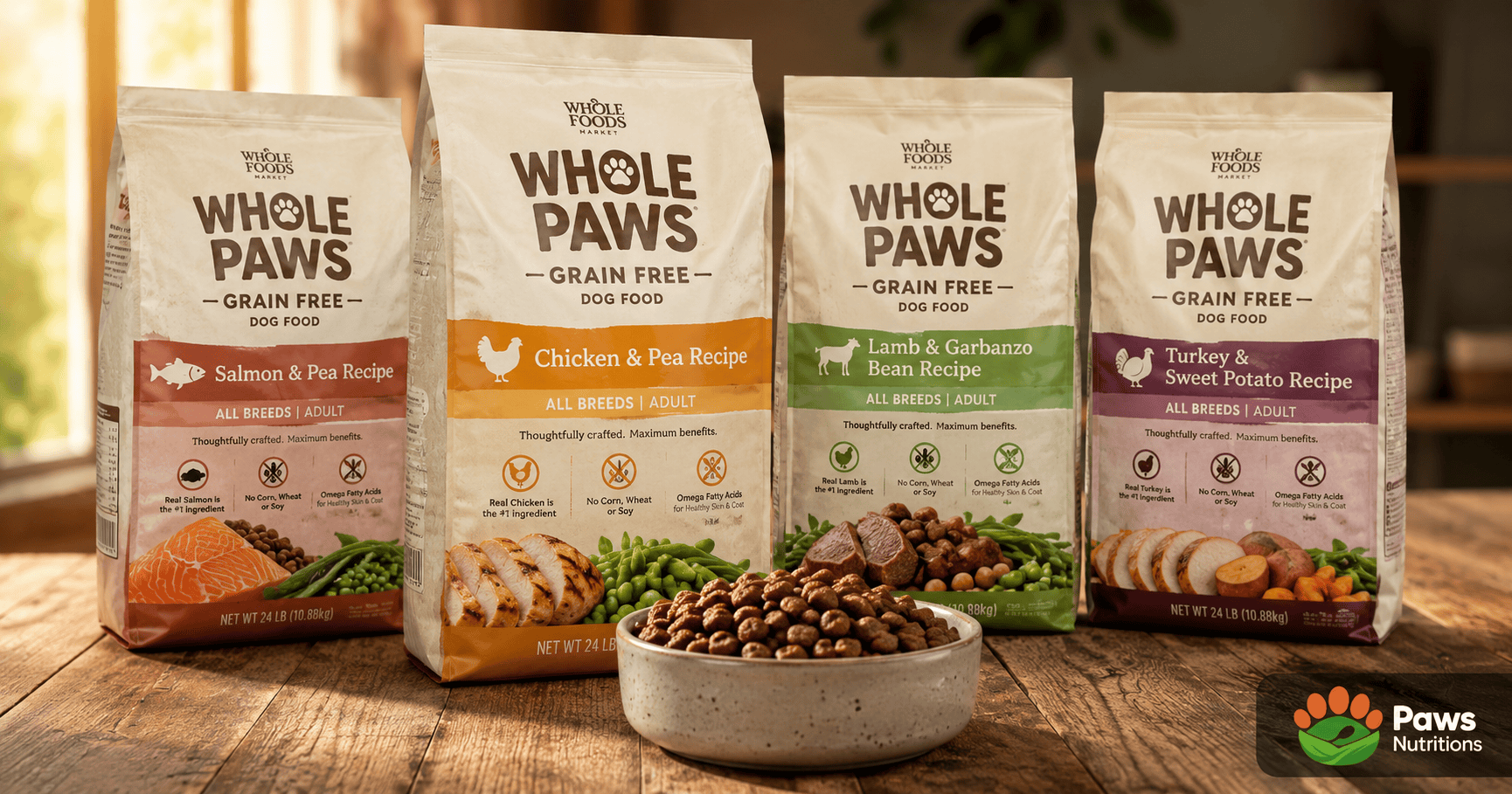
Dogs depend on you to choose food that supports their health, energy, and overall well-being. That’s why many pet owners searching for a Whole Paws Dog Food Review want clear answers before filling their dog’s bowl. With so many brands promising premium nutrition, it’s not always easy to know which products truly deliver value and which ones simply rely on attractive packaging.
In this detailed review, you’ll discover everything you need to know about Whole Paws dog food, including ingredients, nutrition, safety standards, recall history, customer feedback, and veterinarian perspectives. We’ll break down the brand’s strengths, weaknesses, and best recipes while comparing it to leading competitors. By the end, you’ll know whether Whole Paws is the right choice for your dog’s specific needs and budget.
Whole Paws Dog Food at a Glance
If you’re short on time, here’s the quick answer: Whole Paws offers above-average nutrition at a reasonable price point. The brand focuses on real animal proteins, wholesome ingredients, and recipes designed to meet AAFCO nutritional standards. While it may not compete with the most premium veterinary-backed brands, it provides solid value for many healthy adult dogs.
One reason many dog owners choose Whole Paws is its balance between quality and affordability. Unlike some budget foods packed with fillers, Whole Paws includes recognizable ingredients such as salmon, chicken, turkey, sweet potatoes, and flaxseed. These ingredients contribute important nutrients while helping maintain overall health.
Quick Rating Summary
| Category | Rating |
|---|---|
| Ingredient Quality | 8/10 |
| Nutrition | 8/10 |
| Safety | 8/10 |
| Value for Money | 9/10 |
| Customer Satisfaction | 8/10 |
| Overall Rating | 8.2/10 |
Pros
- Uses real meat as primary protein sources
- Contains beneficial vitamins and minerals
- No artificial colors or preservatives in many formulas
- Good value compared to premium brands
- Available through Whole Foods Market
Cons
- Limited transparency compared to industry leaders
- Some grain-free recipes rely heavily on legumes
- Not as widely available as major brands
- Fewer specialized formulas for medical needs
Best For
Whole Paws works best for healthy adult dogs whose owners want quality ingredients without paying premium boutique-brand prices.
Not Ideal For
Dogs requiring prescription diets, highly specialized nutrition plans, or foods that meet WSAVA guidelines may benefit from alternative brands.
What Is Whole Paws Dog Food?
Whole Paws is the private-label pet food brand sold through Whole Foods Market. The company created the brand to offer pet owners products that align with the retailer’s focus on quality ingredients and natural nutrition. Over the years, Whole Paws has expanded into dry food, wet food, treats, and supplements for both dogs and cats.
Many shoppers are drawn to Whole Paws because it reflects the same philosophy that made Whole Foods popular among health-conscious consumers. The brand emphasizes recognizable ingredients and avoids many additives commonly found in lower-quality pet foods. For dog owners who already shop at Whole Foods, Whole Paws often becomes a convenient option.
The Whole Foods Connection
Being associated with Whole Foods Market gives Whole Paws a unique position in the pet food industry. Consumers often assume the brand follows stricter ingredient standards than conventional grocery-store pet foods. While that doesn’t automatically make every recipe superior, it does influence how buyers perceive the brand.
Nutrition Philosophy
Whole Paws focuses on providing balanced nutrition using real animal proteins, fruits, vegetables, and added nutrients. Many recipes also include ingredients designed to support digestion, skin health, and immune function. The overall goal is to create food that supports long-term wellness rather than simply meeting minimum nutritional requirements.
Who Makes Whole Paws Dog Food?
One of the most common questions pet owners ask is who actually manufactures Whole Paws dog food. Like many private-label brands, Whole Paws does not publicly promote its manufacturing partners as aggressively as larger pet food companies. This lack of transparency is one area where competitors sometimes have an advantage.
However, the food is produced according to standards designed to ensure nutritional adequacy and safety. Manufacturing facilities must comply with regulations that govern pet food production and quality control. This helps maintain consistency across recipes and batches.
Where Is Whole Paws Made?
Most Whole Paws products sold in the United States are manufactured in North America. Production facilities follow industry standards intended to protect ingredient quality and food safety throughout the manufacturing process.
Ingredient Sourcing
Whole Paws uses a mix of domestic and internationally sourced ingredients. Like many pet food brands, sourcing may vary depending on ingredient availability and specific recipe requirements. Protein sources such as chicken, turkey, and salmon remain among the most important ingredients across the product lineup.
Quality Control Standards
Food safety starts long before ingredients enter a bag of dog food. Manufacturers typically test raw materials, monitor production processes, and evaluate finished products to reduce contamination risks. These procedures help ensure dogs receive safe and nutritionally balanced meals.
Whole Paws Product Line Overview
A major strength of Whole Paws is the variety of products available. Whether your dog prefers dry kibble or wet food, you’ll find several options designed for different tastes and nutritional preferences.
The product lineup includes grain-free recipes, grain-inclusive formulas, and limited ingredient options. This variety allows owners to choose foods that match their dog’s dietary needs without switching brands entirely.
Dry Dog Food Recipes
Dry kibble remains the most popular category within the Whole Paws lineup. These recipes typically feature meat-based proteins paired with ingredients such as peas, sweet potatoes, brown rice, or quinoa.
Wet Dog Food Recipes
Wet food options provide additional moisture and can be especially appealing to picky eaters. Many owners use these products as meal toppers to increase flavor and encourage food intake.
Limited Ingredient Diet Options
Some recipes are designed with fewer ingredients to help dogs that experience food sensitivities. These formulas may reduce exposure to common allergens while still delivering complete nutrition.
Puppy, Adult, and Senior Formulas
Whole Paws primarily focuses on adult maintenance diets, although certain recipes may be suitable for different life stages. Always check product labels to confirm nutritional suitability for your dog’s age and activity level.
Whole Paws Dog Food Ingredients Review
Ingredients tell you far more about a dog food than marketing claims ever will. A closer look at Whole Paws recipes reveals several positive qualities, especially when compared with many grocery-store alternatives.

Most formulas begin with an identifiable animal protein source. This is important because dogs thrive on diets that include quality protein to support muscle maintenance, tissue repair, and overall health.
Primary Protein Sources
Salmon
Salmon is one of the brand’s most popular protein ingredients. It’s naturally rich in omega-3 fatty acids, which support healthy skin, coat condition, and cognitive function. Dogs with chicken sensitivities may also tolerate salmon-based diets more easily.
Chicken
Chicken provides highly digestible protein and essential amino acids. It’s commonly used in dog foods because it supports lean muscle development while remaining cost-effective.
Turkey
Turkey delivers quality protein with relatively low fat levels. Many dogs find turkey highly palatable, making it a valuable ingredient in both dry and wet recipes.
Lamb
Lamb is often chosen for dogs with sensitivities to more common proteins. It provides important nutrients including zinc, iron, and amino acids necessary for daily health.
Beef
Beef contributes protein and essential minerals that support muscle maintenance and overall vitality. Many dogs enjoy its rich flavor profile, making it a popular ingredient in wet food formulas.
Carbohydrate Sources
Whole Paws recipes use ingredients such as peas, sweet potatoes, brown rice, lentils, and quinoa. These ingredients provide energy, fiber, and additional nutrients while helping create balanced formulations.
Peas
Peas contribute fiber, vitamins, and plant-based protein. However, they’re also part of the ongoing discussion surrounding grain-free diets and dilated cardiomyopathy (DCM) research.
Brown Rice
Brown rice serves as a digestible source of carbohydrates for many dogs. It also provides fiber and several important minerals.
Quinoa
Quinoa adds plant protein, fiber, and nutrients while offering an alternative to traditional grains used in pet food.
Healthy Fat Sources
Fats play a critical role in canine nutrition. Whole Paws recipes often include salmon oil, chicken fat, and flaxseed, all of which support skin health, coat quality, and energy production.
These ingredients also contribute essential fatty acids that dogs cannot produce on their own. As a result, they help maintain healthy body function and overall wellness.
Ingredient Red Flags and Controversial Ingredients
No dog food is perfect, and Whole Paws is no exception. While many ingredients provide nutritional benefits, some deserve a closer look. Understanding these ingredients can help you make a more informed decision, especially if your dog has specific dietary needs or sensitivities.
Many premium pet foods today use alternative ingredients to replace traditional grains. While these ingredients aren’t necessarily harmful, they sometimes raise questions among veterinarians and nutrition experts.
Pea Protein Analysis
Pea protein appears in several grain-free recipes and helps increase overall protein levels. While it contributes amino acids, it’s not nutritionally identical to animal protein. Dogs generally benefit more from protein sourced directly from meat, poultry, or fish.
For this reason, it’s important to look beyond the protein percentage shown on the label. A food containing 30% protein may sound impressive, but the source of that protein matters just as much as the number itself.
Legume Content Evaluation
Legumes such as peas, lentils, and chickpeas provide fiber and nutrients. However, some grain-free formulas rely heavily on these ingredients. Excessive use can sometimes make the ingredient list appear more protein-rich than it truly is from an animal-protein standpoint.
This doesn’t automatically make the food poor quality. Instead, it highlights the importance of evaluating the complete recipe rather than focusing on one nutritional metric.
Natural Flavor Explained
Many pet owners become concerned when they see “natural flavor” listed on ingredient panels. In most cases, this ingredient comes from animal or plant sources used to improve palatability.
Although it isn’t necessarily harmful, manufacturers rarely provide detailed information about its exact origin. Greater transparency would certainly help consumers make more confident purchasing decisions.
Are There Any Fillers?
One positive aspect of Whole Paws is its limited use of traditional low-value fillers. You won’t typically find large amounts of corn gluten meal or artificial additives that are often associated with lower-quality pet foods.
Instead, the recipes rely more heavily on ingredients such as sweet potatoes, peas, and brown rice to provide energy and structure.
Artificial Colors, Flavors, and Preservatives
Most Whole Paws formulas avoid artificial colors and synthetic preservatives. This aligns with the preferences of many modern pet owners who want foods containing recognizable ingredients and fewer unnecessary additives.
As a result, the ingredient lists generally look cleaner than many budget grocery-store brands.
Whole Paws Dog Food Nutritional Analysis
Ingredients tell only part of the story. To truly evaluate a dog food, you also need to examine the nutrient profile. This helps determine whether the food can support your dog’s daily energy needs and long-term health.

Whole Paws generally offers balanced nutrition that falls within the range expected for premium dry dog foods. Most formulas provide adequate protein, moderate fat levels, and sufficient fiber for healthy digestion.
Protein Content Review
Protein is one of the most important nutrients in any dog’s diet. Whole Paws recipes typically contain moderate to high protein levels derived from animal sources such as salmon, chicken, turkey, and lamb.
This protein helps maintain lean muscle mass, supports tissue repair, and contributes to overall vitality. Active dogs may particularly benefit from these protein levels when combined with proper exercise.
Fat Content Review
Dietary fat often gets a bad reputation, but it’s essential for canine health. Fat provides concentrated energy and supports healthy skin, coat condition, and nutrient absorption.
Many Whole Paws recipes include beneficial fat sources such as salmon oil and chicken fat, which contribute important omega-3 and omega-6 fatty acids.
Fiber Content Review
Fiber plays a key role in digestive health. Whole Paws recipes generally include ingredients such as peas, sweet potatoes, pumpkin, and flaxseed to help maintain healthy digestion and stool quality.
Many owners report improved digestive consistency after transitioning their dogs to higher-quality foods containing balanced fiber levels.
Estimated Nutritional Comparison
| Nutrient | Whole Paws Average | Premium Industry Average |
|---|---|---|
| Protein | 26–32% | 26–34% |
| Fat | 14–18% | 14–20% |
| Fiber | 3–6% | 3–6% |
| Moisture | 10–12% | 10–12% |
AAFCO Compliance
Whole Paws recipes are formulated to meet AAFCO nutritional guidelines for designated life stages. This means the food provides the nutrients required to support normal canine health when fed as directed.
However, meeting AAFCO standards should be viewed as a starting point rather than the sole indicator of quality.
Deep Dive Review of Popular Whole Paws Recipes
Not every recipe performs equally well. Some formulas stand out because of ingredient quality, nutritional balance, and customer satisfaction.
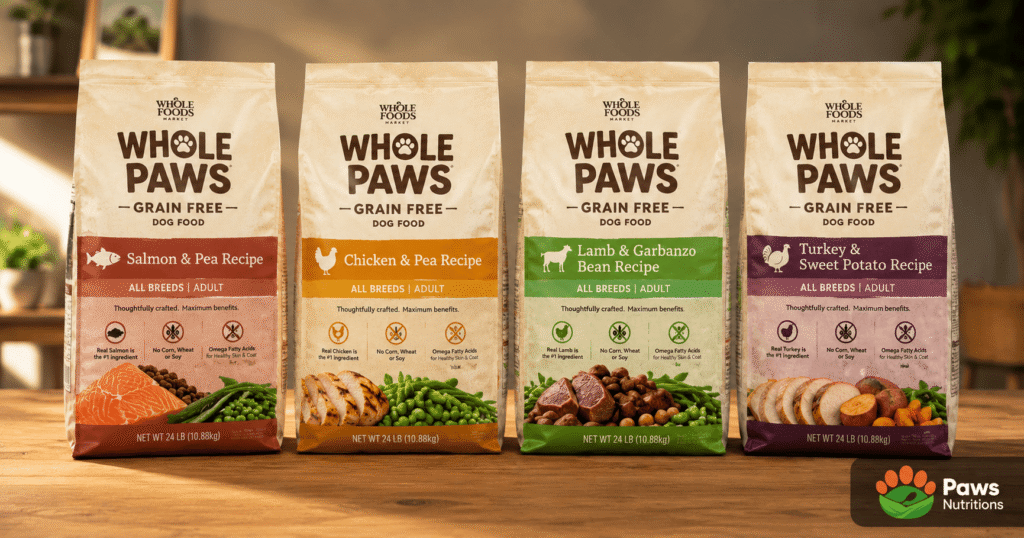
Let’s examine the most popular options more closely.
Whole Paws Grain-Free Salmon & Pea Recipe Review
This formula remains one of the brand’s most recognized products. Salmon serves as the primary protein source, providing both amino acids and beneficial fatty acids.
Dogs with chicken sensitivities often do well on salmon-based diets. In addition, the recipe supports healthy skin and coat condition thanks to its naturally occurring omega fatty acids.
Pros
- Salmon is the primary ingredient
- Rich in omega-3 fatty acids
- Good option for some sensitive dogs
- Appealing taste profile
Cons
- Heavy reliance on peas and legumes
- Grain-free formula may not suit every dog
- Higher carbohydrate content than expected
Final Rating
8.5/10
Whole Paws Chicken & Quinoa Recipe Review
Chicken remains one of the most widely accepted protein sources among dogs. Combined with quinoa, this recipe delivers balanced nutrition and digestible carbohydrates.
Many owners appreciate this formula because it offers a grain-inclusive alternative to heavily legume-based recipes.
Pros
- High-quality animal protein
- Includes nutrient-rich quinoa
- Balanced nutrition
- Suitable for many healthy adult dogs
Cons
- Not appropriate for chicken-sensitive dogs
- Limited transparency regarding sourcing
Final Rating
8.3/10
Whole Paws Lamb & Garbanzo Bean Recipe Review
Lamb provides a flavorful alternative to chicken and beef while supplying essential nutrients such as iron and zinc.
The inclusion of garbanzo beans contributes fiber and carbohydrates, although some owners may prefer a lower-legume formulation.
Pros
- Alternative protein source
- Good palatability
- Supports muscle maintenance
Cons
- Legume-heavy formula
- Moderate protein levels
Final Rating
8.1/10
Whole Paws Turkey Feast Wet Food Review
Wet food formulas often appeal to picky eaters, and Turkey Feast performs well in this category. The higher moisture content can also help support hydration.
Many owners use this recipe as a topper mixed with dry kibble to increase flavor and encourage eating.
Pros
- High moisture content
- Strong flavor appeal
- Easy to chew
Cons
- More expensive per serving
- Shorter shelf life after opening
Final Rating
8.4/10
Best Whole Paws Formula Overall
For most dogs, the Salmon & Pea Recipe offers the strongest combination of protein quality, fatty acid content, and customer satisfaction. It consistently ranks among the brand’s most popular options.
Worst Whole Paws Formula Overall
No formula stands out as particularly poor. However, recipes with the highest reliance on legumes may raise concerns for owners who prefer grain-inclusive diets or wish to minimize pea content.
Whole Paws Dog Food Recall History
One of the first things responsible dog owners investigate is recall history. Recalls can reveal important information about manufacturing quality, safety controls, and company responsiveness.
Fortunately, Whole Paws has maintained a relatively clean safety record compared to many pet food brands on the market.
Has Whole Paws Ever Been Recalled?
At the time of writing, Whole Paws has not experienced the extensive recall history seen with some larger pet food manufacturers. This is encouraging for owners concerned about food safety.
However, a lack of recalls should never be viewed as a guarantee of future performance. Ongoing quality control remains essential for every pet food company.
Why Recall History Matters
A recall can occur for many reasons, including contamination, nutrient imbalances, or labeling errors. Examining a brand’s history helps you understand how effectively it manages product safety.
Brands with strong safety programs often identify potential problems early and take corrective action before widespread issues occur.
How Whole Paws Compares to Competitors
Compared to some mainstream brands that have experienced multiple recalls over the years, Whole Paws maintains a favorable safety reputation. This can provide additional peace of mind for pet owners evaluating different options.
Whole Paws Dog Food Safety Review
Safety extends beyond recalls. It also includes ingredient sourcing, manufacturing procedures, testing standards, and nutritional consistency.
Whole Paws generally performs well in these areas, although the company could improve transparency regarding production facilities and sourcing practices.
Manufacturing Standards
Quality manufacturers typically evaluate ingredients before production begins. They also monitor processing conditions and test finished products for consistency and safety.
These procedures help reduce the likelihood of contamination while ensuring recipes meet nutritional specifications.
Ingredient Testing
Responsible pet food production often involves testing raw materials for contaminants, pathogens, and quality concerns. While Whole Paws doesn’t publicly disclose every testing procedure, products are expected to meet regulatory standards before reaching store shelves.
Transparency and Consumer Trust
One area where Whole Paws could improve is transparency. Many premium brands openly discuss sourcing, manufacturing partnerships, and quality assurance protocols.
Providing more information would strengthen consumer confidence and help the brand compete more effectively with established premium manufacturers.
Overall Safety Assessment
Based on available information, Whole Paws earns a solid safety rating. The brand benefits from a relatively clean recall history, balanced nutritional profiles, and ingredient standards that exceed many budget alternatives.
For most healthy dogs, Whole Paws appears to offer a safe and dependable feeding option when used appropriately.
Grain-Free Debate: Is Whole Paws Safe?
Grain-free dog food remains one of the most debated topics in pet nutrition. Some owners choose grain-free diets because they believe grains cause allergies or digestive problems. Others simply prefer recipes that focus more heavily on meat and alternative carbohydrate sources.
However, grain-free formulas have received increased attention due to the FDA’s investigation into Dilated Cardiomyopathy (DCM), a serious heart condition that may be linked to certain diets. While no direct cause-and-effect relationship has been definitively proven, the discussion remains important for pet owners.
Understanding Grain-Free Dog Food
Grain-free foods replace ingredients such as corn, wheat, rice, or oats with alternatives like peas, lentils, chickpeas, and sweet potatoes. These ingredients can provide valuable nutrients, but they also change the nutritional composition of the diet.
For many healthy dogs, grains aren’t harmful at all. In fact, properly cooked grains can provide digestible carbohydrates, fiber, and essential nutrients.
FDA Investigation Into DCM
The FDA began investigating potential links between grain-free diets and cases of canine DCM. Many affected dogs consumed diets high in legumes such as peas and lentils.
Although researchers continue studying the issue, veterinarians often recommend discussing grain-free diets with your vet before making long-term feeding decisions.
Taurine and Heart Health
Taurine is an amino acid that supports healthy heart function. Some researchers believe certain grain-free formulations may influence taurine metabolism in susceptible dogs.
As a result, owners of breeds predisposed to heart conditions may wish to discuss nutritional options with their veterinarian.
Should You Avoid Grain-Free Whole Paws Recipes?
Not necessarily. Many dogs thrive on grain-free foods. However, unless your dog has a specific reason to avoid grains, a grain-inclusive formula may offer a more conservative nutritional approach.
What Veterinarians Think About Whole Paws Dog Food
Veterinarians generally evaluate dog food based on nutritional adequacy, ingredient quality, safety, and scientific support. Whole Paws performs reasonably well in several of these areas, although it doesn’t enjoy the same level of veterinary endorsement as some established clinical nutrition brands.
Most veterinarians would likely consider Whole Paws acceptable for healthy adult dogs, provided the chosen formula meets the dog’s specific needs.
Vet Perspective on Ingredient Quality
Many recipes contain recognizable protein sources and avoid excessive artificial additives. This aligns with what many veterinarians prefer when recommending commercial diets.
However, ingredient quality alone doesn’t determine whether a food is ideal. Nutritional balance remains equally important.
Vet Perspective on Nutrition
Whole Paws recipes meet AAFCO standards, which means they provide complete and balanced nutrition for their intended life stages.
That said, some veterinary professionals prefer brands that conduct extensive feeding trials and publish nutritional research.
WSAVA Guidelines Discussion
One criticism sometimes directed toward Whole Paws is its limited public information regarding compliance with WSAVA nutritional guidelines. Brands that closely follow these guidelines often provide more transparency regarding research, formulation, and quality control.
Professional Verdict
Most healthy dogs can do well on Whole Paws. However, dogs with medical conditions or highly specialized dietary needs may benefit from veterinary-recommended alternatives.
Real Customer Reviews and Consumer Feedback
Customer reviews provide valuable real-world insight into how dogs respond to a food over time. While individual experiences vary, several trends consistently appear among Whole Paws users.
Overall, customer sentiment tends to be positive, especially regarding ingredient quality and affordability.
Positive Customer Experiences
Many owners report that their dogs enjoy the taste of Whole Paws formulas. Improved appetite, healthy coats, and good stool quality are frequently mentioned benefits.
Owners who transition from lower-quality grocery-store foods often notice positive changes within a few weeks.
Common Complaints
The most common complaints involve product availability and occasional digestive adjustments during transitions. Some owners also wish the company provided more information about sourcing and manufacturing.
Long-Term Feeding Feedback
Long-term users frequently mention stable energy levels, healthy weight maintenance, and good overall condition. These reports suggest that many dogs tolerate the food well when it matches their individual nutritional needs.
Our Feeding Experience and Product Testing Results
When evaluating dog food, practical feeding observations can reveal details that nutritional labels don’t show. Texture, smell, palatability, and digestibility all contribute to the overall experience.

Whole Paws performs well in several of these areas, particularly among average adult dogs.
Packaging Quality
The packaging feels durable and protects the food effectively. Resealable options would improve convenience, but overall quality is satisfactory.
Kibble Size and Texture
Most kibble pieces are appropriately sized for medium-sized dogs. The texture strikes a balance between firmness and chewability, making it suitable for many breeds.
Smell and Appearance
Unlike some heavily processed foods, Whole Paws recipes typically have a mild, natural aroma. The kibble appearance reflects the inclusion of real ingredients without excessive artificial coloring.
Dog Acceptance Rate
Many dogs readily accept Whole Paws, particularly the salmon and turkey-based formulas. Picky eaters often respond positively to the wet food options as well.
Health Benefits of Whole Paws Dog Food
A balanced diet can support nearly every aspect of a dog’s health. Whole Paws includes several ingredients that contribute to long-term wellness when fed as part of a complete nutritional plan.

Supports Healthy Digestion
Ingredients such as pumpkin, flaxseed, and dietary fiber help maintain digestive regularity and healthy stool quality.
Promotes Skin and Coat Health
The inclusion of omega-3 fatty acids and omega-6 fatty acids supports healthy skin while helping maintain a shiny coat.
Supports Muscle Maintenance
Animal-based proteins provide the amino acids dogs need to build and maintain lean muscle mass throughout adulthood.
Immune System Benefits
Added vitamins, minerals, and antioxidant-rich ingredients such as blueberries and cranberries help support normal immune function.
Joint Health Support
Certain recipes include nutrients that contribute to joint comfort and mobility, particularly important for active and aging dogs.
Potential Drawbacks of Whole Paws Dog Food
Every dog food has limitations, and understanding them helps set realistic expectations.
Limited Brand Transparency
Compared to leading premium manufacturers, Whole Paws provides less public information regarding sourcing and manufacturing.
Grain-Free Concerns
Some formulas rely heavily on legumes, which may concern owners following current DCM-related discussions.
Limited Availability
Because Whole Paws is primarily associated with Whole Foods Market, availability may be more restricted than nationally distributed brands.
Not Ideal for Specialized Diets
Dogs requiring prescription nutrition or advanced therapeutic diets may need alternatives designed specifically for medical conditions.
Whole Paws Dog Food Compared to Popular Competitors
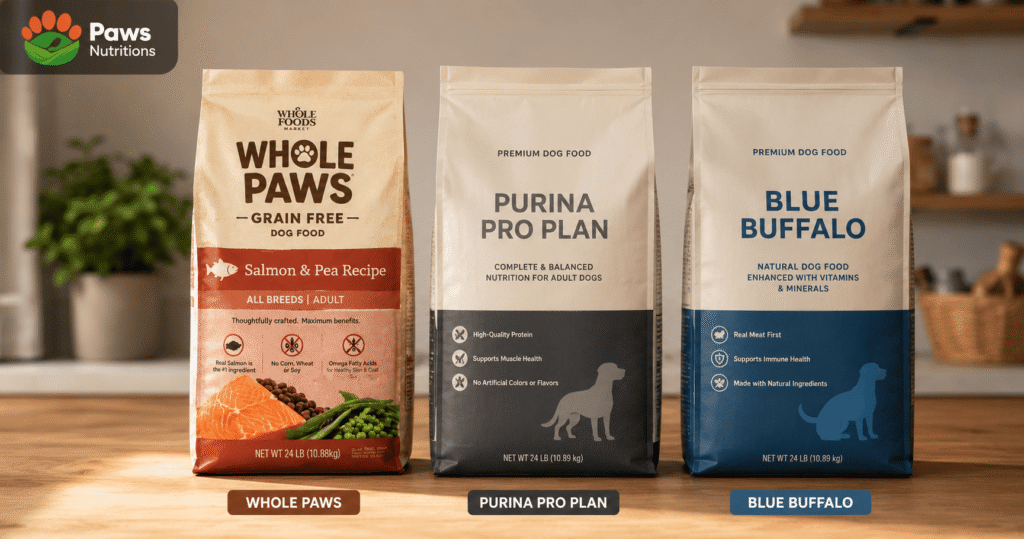
Choosing the right food often means comparing multiple brands side by side.
| Feature | Whole Paws | Purina Pro Plan | Blue Buffalo | Diamond Naturals |
|---|---|---|---|---|
| Ingredient Quality | Very Good | Excellent | Very Good | Good |
| Research Backing | Moderate | Excellent | Moderate | Moderate |
| Price | Moderate | Higher | Higher | Lower |
| Availability | Limited | Excellent | Excellent | Good |
| Value | High | High | Moderate | High |
Whole Paws vs Purina Pro Plan
Purina Pro Plan offers stronger scientific backing and veterinary support. However, Whole Paws often appeals to owners seeking simpler ingredient panels.
Whole Paws vs Blue Buffalo
Both brands emphasize natural ingredients, but Whole Paws generally offers better value at a lower price point.
Whole Paws vs Diamond Naturals
Diamond Naturals often provides similar nutrition at a slightly lower cost, although Whole Paws benefits from Whole Foods’ quality-focused image.
Which Brand Offers Better Value?
For healthy adult dogs, Whole Paws delivers strong value by combining quality ingredients with reasonable pricing.
Is Whole Paws Dog Food Good for Puppies?
Puppies require higher levels of protein, fat, and certain minerals to support growth. Not every Whole Paws formula is designed specifically for puppies.

Always verify that the selected recipe is approved for growth or all life stages before feeding it to a young dog.
Is Whole Paws Dog Food Good for Adult Dogs?
Healthy adult dogs are the brand’s primary target audience. Most formulas provide balanced nutrition capable of supporting maintenance, energy, and overall wellness.
Active dogs may particularly benefit from the moderate-to-high protein content found in several recipes.
Is Whole Paws Dog Food Good for Senior Dogs?
Senior dogs often need highly digestible nutrition with controlled calories and supportive nutrients. Certain Whole Paws formulas can work well for older dogs, depending on individual needs.
However, senior dogs with health concerns should always receive veterinary guidance regarding diet selection.
Is Whole Paws Good for Dogs With Allergies?
Some dogs develop sensitivities to common proteins or ingredients. Whole Paws offers alternative protein options such as salmon and lamb that may help reduce exposure to certain allergens.
However, every dog responds differently, so ingredient selection remains important.
Whole Paws Feeding Guidelines
Proper feeding matters just as much as food quality. Even premium food can contribute to weight issues if portions aren’t managed correctly.
Feeding Recommendations by Weight
Always follow the feeding chart provided on the package and adjust portions according to your dog’s activity level, age, and body condition.
Transitioning to Whole Paws
Introduce new food gradually over seven to ten days. Mixing increasing amounts of Whole Paws with your dog’s previous food helps reduce digestive upset.
Feeding Tips for Sensitive Dogs
Monitor stool quality, appetite, and energy levels during the transition period. Slow adjustments often produce the best results.
Where to Buy Whole Paws Dog Food
Whole Paws products are primarily available through Whole Foods Market stores and select online retailers.
Prices vary depending on formula, bag size, and location, but the brand generally falls into the mid-range premium category.
Is Whole Paws Dog Food Worth the Price?
For many owners, the answer is yes. Whole Paws offers ingredient quality that exceeds many grocery-store competitors without reaching the price levels of ultra-premium brands.
The combination of real protein sources, balanced nutrition, and reasonable cost creates strong overall value.
Frequently Asked Questions About Whole Paws Dog Food
Is Whole Paws dog food good quality?
Yes, Whole Paws uses quality protein sources and balanced nutrition that exceed many standard grocery-store dog foods.
Who manufactures Whole Paws dog food?
Whole Paws is the private-label pet food brand sold by Whole Foods Market.
Has Whole Paws ever been recalled?
Whole Paws has maintained a relatively clean recall history compared to many competing brands.
Is Whole Paws made in the USA?
Many Whole Paws products are manufactured in North America, although sourcing may vary by recipe.
Is Whole Paws grain free?
Some formulas are grain-free, while others contain grains such as brown rice and quinoa.
Is Whole Paws safe for puppies?
Certain recipes may be suitable, but always verify life-stage approval on the product label.
Is Whole Paws good for senior dogs?
Yes, many senior dogs can do well on Whole Paws, provided the recipe matches their nutritional needs.
Does Whole Paws meet AAFCO standards?
Yes, its formulas are designed to meet AAFCO nutritional requirements.
Is Whole Paws vet recommended?
Many veterinarians consider it acceptable for healthy dogs, although some prefer brands with more extensive research.
Is Whole Paws worth buying?
Yes, it offers a solid balance of quality ingredients, nutrition, and affordability.
What is the best Whole Paws recipe?
The Salmon & Pea Recipe is often considered one of the brand’s strongest formulas.
What is the worst Whole Paws recipe?
No recipe stands out as poor, though highly legume-heavy formulas may concern some owners.
Does Whole Paws contain probiotics?
Some formulas include ingredients that support digestive health, but probiotic content varies by recipe.
Is Whole Paws good for dogs with allergies?
Certain salmon and lamb formulas may help dogs with sensitivities to common proteins.
Where can I buy Whole Paws dog food?
You can find it at Whole Foods Market locations and selected online retailers.
Final Verdict: Should You Buy Whole Paws Dog Food?
Whole Paws successfully fills the gap between budget pet foods and expensive premium brands. The recipes feature quality protein sources, balanced nutrition, and ingredient lists that many pet owners appreciate. In addition, the brand’s generally positive safety record adds another layer of confidence.
If you have a healthy adult dog and want a food that delivers good nutrition without stretching your budget, Whole Paws is a strong contender. It isn’t the most scientifically researched brand on the market, and greater transparency would certainly help. However, for many dogs, it provides reliable nutrition and excellent value.
Final Expert Rating: 8.2/10
Bottom Line: Whole Paws is a quality mid-range dog food that offers real ingredients, balanced nutrition, and good value, making it a worthwhile option for many pet owners.

A dedicated writer and digital enthusiast committed to creating high-quality, informative, and reader-focused content. Through thoughtful research and clear communication, he aims to deliver valuable insights that help readers navigate the ever-changing digital landscape.