
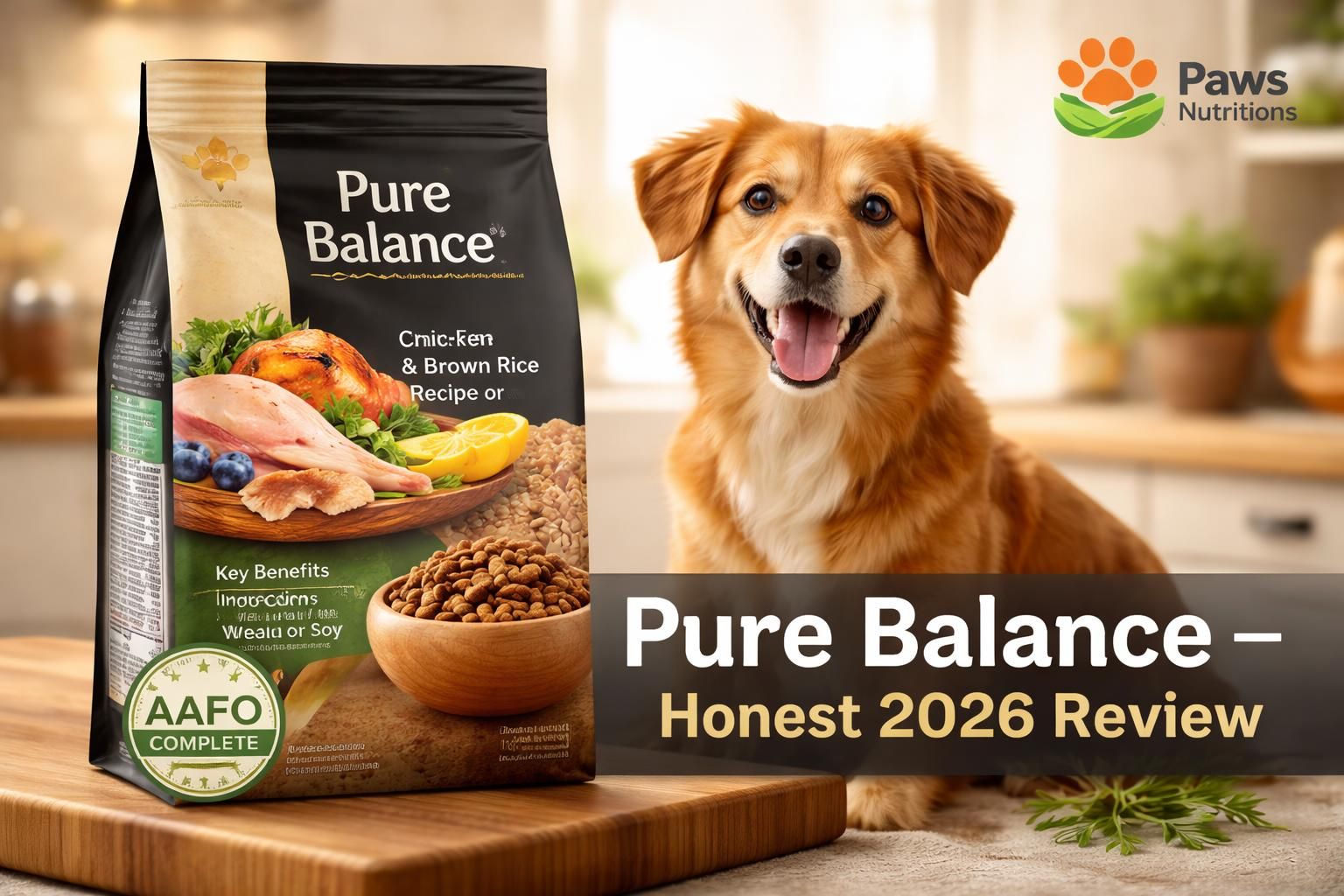
If you’ve been standing in the pet food aisle wondering, is pure balance a good dog food, you’re not alone. Many dog owners want something affordable without compromising their pet’s health. Pure Balance positions itself as a budget-friendly dog food that still includes real meat and essential nutrients. But does it truly deliver balanced nutrition, or is it just another average kibble with clever marketing? Understanding what goes into your dog’s bowl is the first step toward making a smarter feeding choice.
In this guide, we’ll break down everything from pure balance dog food ingredients to its safety, quality, and overall value. Whether you’re comparing options or searching for a reliable dog food review, you’ll get clear, honest insights here. By the end, you’ll know if this popular affordable dog food brand is the right fit for your pet’s needs.
What Is Pure Balance Dog Food?
Pure Balance is a budget dog food brand commonly found in retail stores. It’s designed to provide affordable pet nutrition without going too cheap on ingredient quality.
Unlike premium brands, it focuses on balancing cost and nutrition. That means you’ll see ingredients like real meat alongside more economical additions such as plant proteins.
For many pet owners, it sits in that middle ground—better than low-end kibble, but not quite premium.
Pure Balance Dog Food Ingredients Breakdown
Real Meat vs Meat Meal (Protein Quality)
One of the first things you’ll notice is that Pure Balance often lists real meat like chicken or beef as the first ingredient. That’s a good sign because dogs need animal-based protein for muscle health.
However, it also includes meat meals, which are concentrated protein sources. These aren’t bad—in fact, they can be more protein-dense than fresh meat.
Plant Proteins (Peas, Legumes & Fillers)
Here’s where things get a bit tricky. Pure Balance uses ingredients like peas and pea protein, which boost protein levels.
While this improves the numbers on the label, it can reduce the biological value of protein, meaning your dog may not absorb it as efficiently as animal protein.
Carbohydrates and Grains Used
Depending on the formula, you’ll find ingredients like:
- Brown rice
- Peas
- Potatoes
These provide energy, but some formulas lean toward higher carbohydrate content, which isn’t ideal for all dogs.
Fats, Oils, and Added Nutrients
Pure Balance includes healthy fats like chicken fat and sunflower oil, which support skin and coat health.
It also meets AAFCO standards, meaning it provides complete and balanced nutrition for dogs.
Nutritional Value: Is Pure Balance Balanced for Dogs?
On average, Pure Balance recipes contain:
- Around 30% protein
- About 17% fat
- Moderate to high carbohydrates
This makes it suitable for most adult dogs. However, compared to premium brands, the reliance on plant-based protein sources slightly lowers overall quality.
Still, for everyday feeding, it performs reasonably well.
Pros and Cons of Pure Balance Dog Food
Pros
- Affordable and accessible
- Contains real meat
- Meets AAFCO nutritional standards
- No major recall history
- Good option for budget-conscious owners
Cons
- Uses plant protein boosters
- Some formulas are high in carbs
- Not ideal for sensitive dogs
- Lacks premium-quality sourcing transparency
Is Pure Balance Good for All Dogs?

Puppies
It can work for puppies if labeled for growth, but there are better options with more precise nutrition.
Adult Dogs
For healthy adult dogs, it’s a decent everyday food, especially if you’re on a budget.
Dogs with Sensitive Stomachs
This is where it may struggle. Some dogs react to peas or fillers, leading to digestion issues.
Grain-Free vs Grain-Inclusive Pure Balance Formulas
Pure Balance offers both grain-free dog food and grain-inclusive options.
Grain-free recipes often replace grains with legumes like peas. While this helps dogs with grain allergies, it’s worth noting that some experts link excessive legumes to heart concerns in rare cases.
Grain-inclusive formulas, on the other hand, provide more balanced energy sources.
Real Customer Reviews and Experiences
When you look at real-world feedback, opinions are mixed.
Some owners report improved digestion and shiny coats after switching. Others mention occasional issues like upset stomach or inconsistency between batches.
This suggests that while the food works well for many dogs, it may not suit every pet equally.
Pure Balance Dog Food Recall History
One strong point is safety. Pure Balance has no widely reported recall history, which builds trust.
For many pet owners, this is a major factor when deciding if a brand is reliable.
Pure Balance vs Other Dog Food Brands
| Feature | Pure Balance | Premium Brands |
| Price | Budget-friendly | Expensive |
| Protein Quality | Moderate | High |
| Ingredients | Mixed quality | High-quality |
| Best For | Everyday feeding | Optimal nutrition |
Compared to premium brands, Pure Balance trades some ingredient quality for affordability.
Final Verdict: Should You Buy Pure Balance Dog Food?
So, is pure balance a good dog food overall?
Yes—but with conditions.
You should consider it if:
- You need a budget-friendly dog food
- Your dog has no sensitivities
- You want decent nutrition at a lower price
You may want to avoid it if:
- Your dog has allergies or digestion issues
- You prefer high-end, meat-focused diets
FAQs About Pure Balance Dog Food
Is Pure Balance a good dog food for dogs?
Yes, Pure Balance dog food is a decent option for healthy adult dogs, offering balanced nutrition at a budget price, though it’s not as high-quality as premium brands.
What is the number one healthiest dog food brand?
There isn’t a single “best,” but brands like WSAVA-approved dog food options (such as Purina, Hill’s, and Royal Canin) are often considered among the healthiest due to research-backed nutrition.
Is Pure Balance the same as Blue Buffalo?
No, they’re different—Pure Balance vs Blue Buffalo shows that Pure Balance is more budget-focused, while Blue Buffalo typically uses higher-quality ingredients and a wider variety of formulas.
What dog food is good for atopic dermatitis?
Dogs with skin issues benefit from hypoallergenic dog food or limited-ingredient diets, especially those with fish-based proteins and omega-3 fatty acids for skin support.

A dedicated writer and digital enthusiast committed to creating high-quality, informative, and reader-focused content. Through thoughtful research and clear communication, he aims to deliver valuable insights that help readers navigate the ever-changing digital landscape.
1 thought on “Is Pure Balance a Good Dog Food? Honest 2026 Review for Pet Owners”