
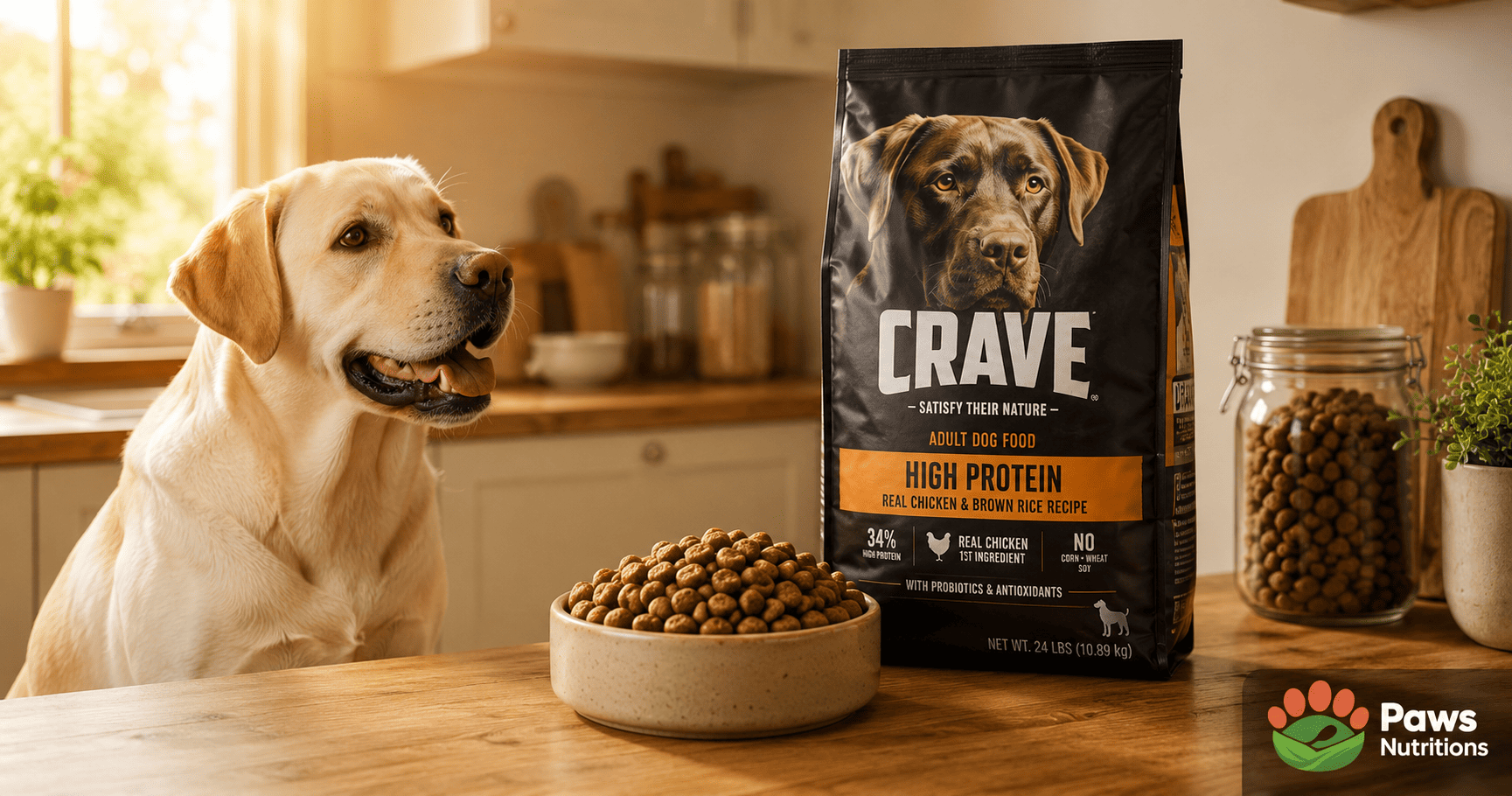
Choosing the right food for your dog isn’t always easy, especially when brands like Crave Dog Food promise high-protein nutrition inspired by your dog’s natural instincts. You want wholesome ingredients, real meat, and a formula that’s worth your money—but confusing labels, mixed reviews, and ingredient concerns can make the decision overwhelming. That’s exactly why this guide is here.
In this Crave Dog Food Review, you’ll discover an honest ingredient breakdown, nutrition analysis, feeding advice, safety information, product comparisons, and our expert verdict. By the end, you’ll know whether Crave truly deserves a place in your dog’s bowl or if another option would better suit your furry companion.
What Is Crave Dog Food? A Quick Brand Overview
If you’ve ever walked through the pet food aisle, you’ve probably noticed Crave Dog Food with its bold packaging and “high protein” claims. The brand is designed for dog owners looking for a grain-free dog food that focuses on animal-based protein while avoiding common fillers such as corn, wheat, and soy. Its marketing centers on the idea that modern dogs still benefit from a diet inspired by their wild ancestors, making it an appealing choice for owners of active adult dogs.
Today, Crave is sold through major retailers including Chewy, PetSmart, Walmart, Amazon, and several Australian pet stores, making it widely accessible. Most dry recipes are formulated to meet AAFCO nutritional standards for adult maintenance, although the exact ingredients vary significantly between the United States and Australian formulas. Understanding those differences is important because two bags carrying the same Crave branding may offer very different levels of ingredient transparency.
Who Makes Crave Dog Food?
Crave Dog Food is owned by Mars Petcare, one of the world’s largest pet food manufacturers. The company also produces well-known brands such as Royal Canin, Pedigree, Iams, Eukanuba, and Whiskas. Research and nutritional development are supported by the Waltham Petcare Science Institute, a research center that has contributed to pet nutrition studies for decades.
Although Mars has extensive manufacturing experience, the company doesn’t publicly disclose every production facility used for Crave. Likewise, detailed information about ingredient sourcing and country of origin isn’t consistently provided, leaving some pet owners wanting greater transparency before making a purchase.
US Formula vs Australian Formula — A Critical Difference
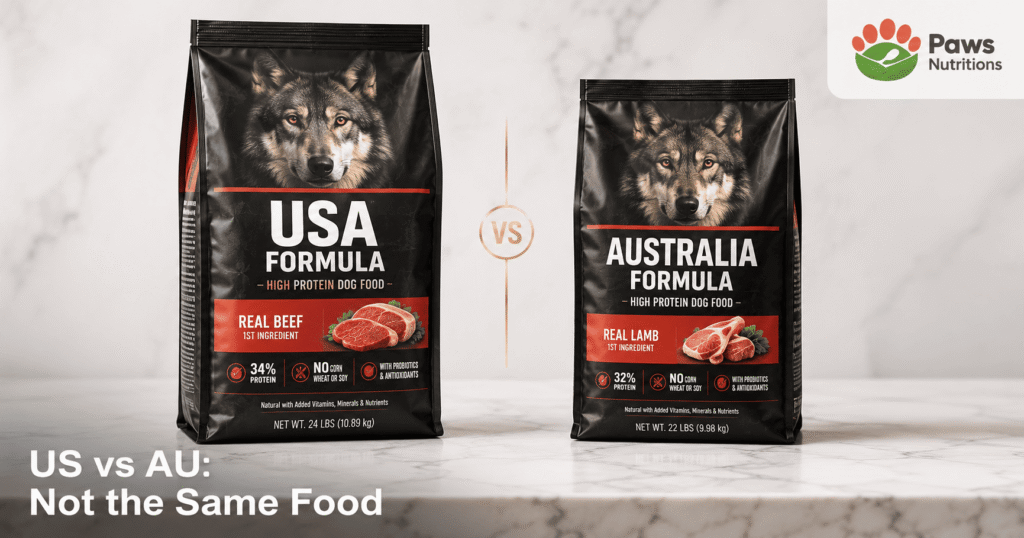
One of the biggest surprises for buyers is that Crave Dog Food isn’t identical worldwide. The US formula generally lists specific ingredients such as white fish, chicken meal, salmon meal, split peas, and mixed tocopherols, making it easier to understand exactly what your dog is eating. This level of detail allows owners to evaluate ingredient quality with much more confidence.
Meanwhile, the Australian formula often uses broader descriptions like “meat from poultry, beef and fish,” “vegetables and vegetable extracts,” and unnamed “antioxidants.” While these ingredients may still meet nutritional requirements, the lack of specificity makes it harder to assess protein quality, ingredient sourcing, and preservative choices. Throughout this review, we’ll clearly identify whether we’re discussing the US or Australian version so you can make the most informed decision.
| Feature | US Formula | Australian Formula |
|---|---|---|
| Primary Protein | Named proteins (White Fish, Chicken Meal, Salmon Meal) | Generic poultry, beef and fish blend |
| Carbohydrates | Split peas, lentils, pea starch | Vegetables and vegetable extracts |
| Preservatives | Mixed tocopherols, rosemary extract | Unspecified antioxidants |
| Ingredient Transparency | High | Moderate to Low |
| Best For | Owners seeking detailed ingredient information | Buyers with limited local alternatives |
Crave Dog Food Product Lines — What’s Available?
One of Crave’s biggest strengths is its straightforward product lineup. Instead of offering dozens of confusing recipes, the brand focuses on a handful of high-protein dog food formulas for adult dogs. You’ll find both dry kibble and wet food options, each designed to provide plenty of animal protein while remaining grain-free. However, the limited range also means some dog owners may struggle to find a recipe that perfectly matches their pet’s age or nutritional needs.
Before buying, it’s worth knowing that Crave Dog Food doesn’t cover every life stage. Unlike many competing brands, it doesn’t offer dedicated formulas for puppies, senior dogs, toy breeds, or large breeds. If your dog falls into one of those categories, you’ll want to consider whether an adult maintenance formula is truly the right choice.
Crave Dry Dog Food Recipes
Crave’s dry kibble lineup focuses on four primary recipes, each featuring a different main animal protein. Although the protein source changes, the formulas share a similar nutritional philosophy: high protein, grain-free ingredients, and no corn, wheat, or soy. All dry recipes are formulated for adult maintenance according to AAFCO nutritional standards.
| Recipe | Primary Protein | AAFCO Profile | Our Rating |
|---|---|---|---|
| White Fish & Salmon | White Fish | Adult Maintenance | ⭐⭐⭐⭐☆ |
| Chicken | Chicken | Adult Maintenance | ⭐⭐⭐⭐☆ |
| Beef | Beef | Adult Maintenance | ⭐⭐⭐⭐☆ |
| Lamb | Lamb | Adult Maintenance | ⭐⭐⭐⭐☆ |
While each recipe provides a different flavor profile, you’ll notice many supporting ingredients remain the same. Legumes such as peas, lentils, and pea starch appear throughout several recipes, contributing both carbohydrates and additional plant-based protein. As a result, choosing between recipes often comes down to your dog’s taste preferences or protein sensitivities rather than major nutritional differences.
Crave Wet Dog Food / Pâté Recipes
If your dog enjoys softer textures or needs extra moisture in their diet, Crave also offers a selection of wet food recipes. Depending on your location, you’ll commonly find flavors such as Chicken, Beef, Turkey, and Chicken & Beef Pâté. These recipes can be served as complete meals or used as tasty toppers for dry kibble.
Wet food can be especially helpful for picky eaters, older adult dogs with dental discomfort, or pets that simply don’t drink enough water during the day. In addition, combining wet and dry food often improves meal variety while increasing moisture intake without drastically changing your dog’s overall diet.
However, ingredient transparency differs between markets. In the Australian range, ingredient descriptions are generally less detailed than those found in the US formulas, making it harder to identify the exact protein sources and additives used in each recipe.
Does Crave Make Puppy Food or Senior Dog Food?
The short answer is no. At the time of writing, Crave Dog Food doesn’t offer a dedicated puppy formula or a recipe specifically designed for senior dogs. Every dry kibble recipe carries an AAFCO Adult Maintenance nutritional profile, meaning it’s formulated for healthy adult dogs rather than growing puppies or aging pets with changing nutritional requirements.
This distinction matters because puppies require additional calories, calcium, phosphorus, and other nutrients to support healthy growth. Likewise, many senior dogs benefit from formulas that provide controlled calories, joint-supporting nutrients, and easier digestibility. Feeding an adult maintenance diet during these life stages may not provide the optimal nutritional balance.
If you have a puppy, it’s generally best to choose a food carrying an AAFCO Growth or All Life Stages statement until your veterinarian recommends transitioning to an adult formula. Similarly, owners of senior dogs should look for diets designed to support healthy aging, mobility, and long-term wellness.
Crave Dog Food Ingredients — A Deep Honest Breakdown
The ingredient list tells you far more about a dog food than the marketing on the front of the bag ever will. Claims like “high protein,” “real meat first,” or “inspired by nature” sound impressive, but they don’t always reveal the whole story. That’s why we’re taking a close look at the ingredients instead of relying on advertising alone.
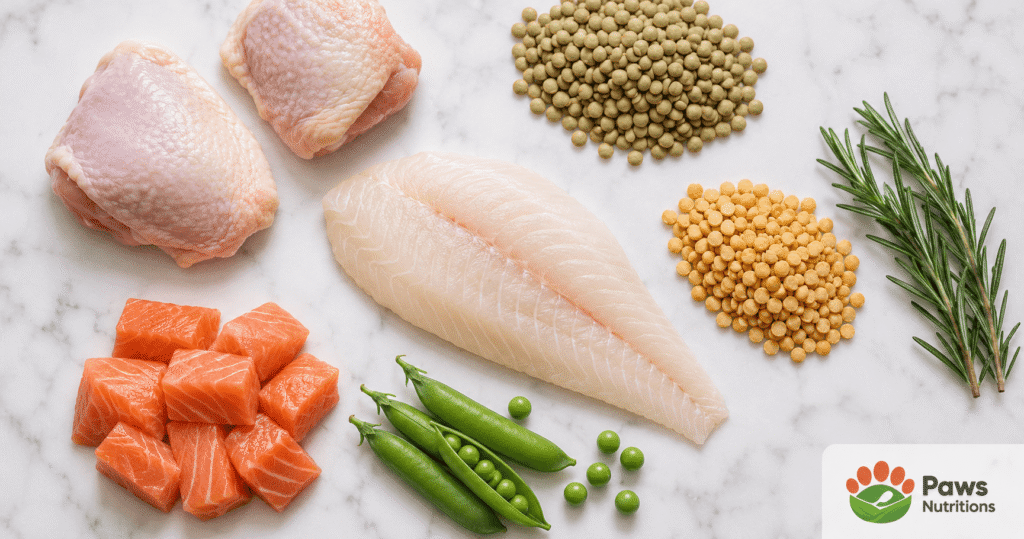
For this analysis, we’ll primarily use the US White Fish & Salmon recipe because it provides the most transparent ingredient list. Where the Australian formula differs significantly, we’ll point it out so you can understand exactly what you’re buying. By the end of this section, you’ll know which ingredients genuinely add nutritional value and which deserve a closer look.
First Ingredient — Is It Really Premium Meat?
One of the first things you’ll notice about the US recipe is that white fish appears as the first ingredient. At first glance, that’s an encouraging sign because named animal proteins are generally preferred over vague descriptions such as “meat meal” or “animal by-products.” A clearly identified protein source gives you a better understanding of what your dog is eating and makes it easier to avoid ingredients that may trigger allergies.
However, there’s an important detail many pet owners don’t realize. Fresh fish contains around 70–75% water, and most of that moisture disappears during the cooking process used to make dry kibble. This means the weight of white fish drops considerably after processing. Although it’s still a quality ingredient, it may not remain the largest ingredient once the food is fully cooked.
That doesn’t mean Crave is misleading you. It simply highlights why reading beyond the first ingredient is so important. A quality dog food depends on the entire ingredient list, not just the ingredient listed first. Several supporting protein sources work together to determine the food’s final nutritional value.
The Australian formula takes a different approach. Instead of listing specific proteins like white fish or chicken, it often uses broader descriptions such as “meat from poultry, beef and fish.” While these ingredients may still provide adequate nutrition, they don’t tell you the exact species or proportions used. For owners of dogs with food sensitivities, this lack of transparency can make choosing the right recipe much more difficult.
Protein Sources — Named, Unnamed & Meal Ingredients
Beyond fresh white fish, the US recipe includes several animal-based protein sources such as chicken meal, salmon meal, and, in some recipes, pork meal. Many dog owners mistakenly believe meal ingredients are lower quality than fresh meat, but that’s not necessarily true. In fact, high-quality meat meals are often among the most concentrated sources of protein found in dry dog food.
Here’s why. Fresh chicken contains a large amount of water, while chicken meal has already been cooked to remove most of its moisture before being added to the recipe. As a result, chicken meal can contain nearly three times more protein by weight than fresh chicken, making it an excellent ingredient in kibble when sourced responsibly.
Salmon meal provides another valuable benefit. Besides supplying concentrated protein, it naturally contributes omega-3 fatty acids, which support healthy skin, a glossy coat, and normal brain function. When combined with white fish, it creates a stronger amino acid profile than relying on a single protein source alone.
The only ingredient that raises a small question is pork meal. While pork itself isn’t harmful, the label doesn’t specify whether it comes from muscle meat alone or includes a broader mix of pork tissues. It’s still acceptable under AAFCO standards, but it’s less transparent than ingredients like “salmon meal” or “chicken meal.”
The Australian formula presents a greater challenge. Instead of listing individual meals or clearly identified proteins, it groups multiple animal sources together under broad descriptions. That makes it impossible to know which protein contributes the most to the recipe or whether the ingredient composition changes between production batches.
Understanding Ingredient Splitting
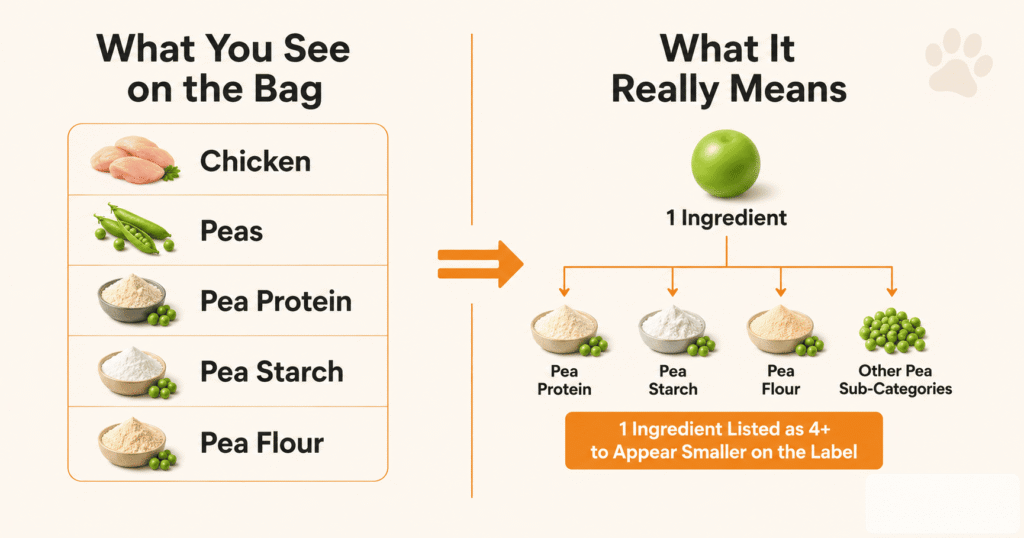
One marketing technique you’ll often see in commercial pet food is ingredient splitting. At first glance, Crave appears to list meat as the dominant ingredient, but looking more closely reveals several pea-based ingredients appearing separately throughout the ingredient list.
Instead of listing one large ingredient called “peas,” manufacturers may divide it into split peas, pea protein, pea starch, and sometimes pea fiber. Individually, each ingredient appears lower on the label. Together, however, they can represent a much larger portion of the recipe than many buyers realize.
Imagine pouring one large bucket of peas onto a table. If you divide that bucket into four smaller containers, each container suddenly looks much less significant. That’s essentially how ingredient splitting works. It doesn’t mean the food is poor quality, but it can make the meat content appear more dominant than it actually is.
For Crave Dog Food, this practice doesn’t erase the value of its animal proteins, but it does remind buyers to evaluate the complete ingredient panel rather than focusing only on the first few ingredients.
PawsNutritions Insight: Always read the full ingredient list instead of stopping after the first ingredient. Multiple pea-based ingredients listed separately can collectively outweigh the primary meat source, even if meat appears first on the label.
Carbohydrate Sources — Are They Good for Dogs?
Protein may be the headline feature of Crave Dog Food, but carbohydrates still make up a meaningful portion of every recipe. While dogs don’t require carbohydrates in the same way they need protein and fat, they can still benefit from digestible carbs that provide energy, fiber, and essential nutrients. The real question is whether Crave uses high-quality carbohydrate sources or relies too heavily on inexpensive fillers.
Unlike many budget dog foods that depend on corn, wheat, or soy, Crave builds most of its carbohydrate content around peas, lentils, and pea starch. These ingredients help create a grain-free recipe while supplying complex carbohydrates and dietary fiber. They also contribute vitamins, minerals, and plant-based nutrients that support overall health.
However, legumes aren’t perfect. Peas and lentils naturally contain a significant amount of plant protein, which can increase the total protein percentage shown on the label without providing the same amino acid quality as animal proteins. That’s why nutrition experts recommend looking beyond the guaranteed analysis and evaluating where the protein actually comes from.
In Crave’s case, this concern is partly offset by the inclusion of multiple animal protein sources. Even so, owners should recognize that a portion of the food’s protein content likely comes from legumes rather than meat alone.
Peas, Lentils, and Legumes — Benefits and Concerns
Legumes have become common ingredients in many grain-free dog foods, including Crave. They provide slow-digesting carbohydrates, natural fiber, and nutrients like folate, potassium, and magnesium. For active adult dogs, these ingredients can offer a steady source of energy without relying on refined grains.
On the other hand, legumes have received increased attention because they appear in many diets investigated during the FDA’s research into diet-associated Dilated Cardiomyopathy (DCM). It’s important to understand that peas and lentils haven’t been proven to directly cause DCM. Instead, researchers are studying whether diets that rely heavily on these ingredients may contribute to nutritional imbalances in some dogs.
For most healthy dogs, legumes are not inherently harmful. The bigger concern is when they dominate the ingredient list or replace a substantial portion of animal-based protein. Since Crave combines legumes with several meat ingredients, the overall risk appears lower than in recipes that depend primarily on plant protein.
Fat Sources and Omega Fatty Acids
Healthy fats are just as important as protein because they provide concentrated energy and help your dog absorb fat-soluble vitamins such as A, D, E, and K. Crave includes several fat sources that contribute both nutrition and flavor while supporting healthy skin and a shiny coat.
One standout ingredient is chicken fat, which is often misunderstood by pet owners. Despite its name, chicken fat is a high-quality ingredient that supplies essential fatty acids rather than excessive saturated fat. Properly rendered chicken fat is highly digestible and provides an excellent energy source for active adult dogs.
Many Crave recipes also include salmon meal or fish-based ingredients, naturally supplying beneficial Omega-3 fatty acids. These nutrients support healthy skin, reduce normal inflammatory responses, and contribute to cognitive function. Meanwhile, Omega-6 fatty acids from chicken fat help maintain the skin’s natural protective barrier and promote a soft, glossy coat.
The balance between Omega-3 and Omega-6 matters more than simply having large amounts of either nutrient. Crave provides both, although the company doesn’t publicly disclose the exact fatty acid ratios for every recipe.
Fiber Sources and Digestive Health
A healthy digestive system depends on more than protein and fat. Dietary fiber plays an important role by supporting regular bowel movements, feeding beneficial gut bacteria, and helping dogs feel satisfied after meals.
Crave obtains most of its fiber from ingredients such as peas, lentils, and pea fiber. These ingredients contain both soluble and insoluble fiber, creating a balanced digestive environment for most healthy adult dogs. Soluble fiber supports beneficial intestinal bacteria, while insoluble fiber helps maintain normal stool consistency.
However, every dog responds differently to fiber-rich foods. Dogs with sensitive stomachs may need a gradual transition when switching to Crave, especially if they’re moving from a grain-based diet. Introducing the food slowly over seven to ten days usually helps reduce digestive upset.
Preservatives, Natural Flavors, and Other Additives
One area where Crave performs well is its choice of preservatives. Instead of using controversial synthetic preservatives such as BHA, BHT, or ethoxyquin, the US formulas are typically preserved with mixed tocopherols (a natural form of Vitamin E) and sometimes rosemary extract. These ingredients help protect fats from becoming rancid while maintaining product freshness.
The ingredient list also includes natural flavor, which often raises questions among dog owners. Despite the vague name, natural flavor generally refers to animal-derived flavoring compounds used to improve taste rather than artificial chemicals. Although manufacturers don’t always disclose the exact source, natural flavor is widely used throughout the premium pet food industry and is considered safe under current regulations.
Australian labels use broader ingredient terminology than U.S. labels, making direct comparisons more difficult. While these ingredients may still be safe and effective, the lack of detail gives buyers less information than the US ingredient panel.
Ingredient Scorecard
After reviewing the complete ingredient panel, Crave presents a stronger profile than many mainstream grain-free dog foods. It offers several clearly identified animal proteins, avoids common filler grains, and uses natural preservatives. At the same time, the heavy reliance on pea-based ingredients and the lower transparency of the Australian formulas prevent it from earning top marks.
| Category | Rating | Comments |
|---|---|---|
| Animal Protein Quality | ⭐⭐⭐⭐⭐ | Multiple named meat and fish ingredients. |
| Carbohydrate Quality | ⭐⭐⭐⭐☆ | Nutritious legumes but heavily pea-based. |
| Fat Sources | ⭐⭐⭐⭐⭐ | Chicken fat and fish ingredients provide quality fatty acids. |
| Digestive Support | ⭐⭐⭐⭐☆ | Good natural fiber, though sensitive dogs may need a slow transition. |
| Ingredient Transparency | ⭐⭐⭐⭐☆ | Excellent in the US formulas, lower in Australian recipes. |
| Artificial Additives | ⭐⭐⭐⭐⭐ | No corn, wheat, soy, BHA, BHT, or artificial colors. |
PawsNutritions Verdict: Crave earns high marks for using named animal proteins, natural preservatives, and quality fat sources. However, its extensive use of pea-based ingredients and the reduced ingredient transparency in some international formulas mean it’s a very good dog food—not a flawless one.
Crave Dog Food Nutrition Analysis
Ingredients tell only part of the story. To understand whether Crave Dog Food can truly support your dog’s health, you also need to examine its nutritional profile. Looking at the Guaranteed Analysis reveals how much protein, fat, fiber, and moisture the food provides, but those numbers don’t tell the whole story. What’s equally important is where those nutrients come from and whether they’re balanced for long-term feeding.
Overall, Crave delivers a nutrient profile that’s noticeably richer in animal protein than many supermarket brands. However, like most grain-free dog foods, part of its protein content comes from legumes, making it important to evaluate both the quantity and quality of its nutrients.
Guaranteed Analysis
Although values vary slightly between recipes, Crave’s dry formulas maintain a fairly consistent nutritional profile. The following table summarizes the average guaranteed analysis for the US dry recipes.
| Nutrient | Average Amount | Evaluation |
|---|---|---|
| Crude Protein | 34% min | Excellent |
| Crude Fat | 17% min | Above Average |
| Crude Fiber | 4% max | Good |
| Moisture | 10% max | Standard |
| Calories | ~390–400 kcal/cup | Moderately High |
At first glance, these numbers look impressive. A 34% minimum protein level places Crave well above many traditional kibble brands, which often range between 22% and 28%. Likewise, the fat content provides sufficient energy for active adult dogs without becoming excessively rich for most healthy pets.
The calorie content is also worth considering. At nearly 400 calories per cup, Crave is relatively energy-dense. That’s beneficial for athletic or highly active dogs because they can meet their nutritional needs without eating large portions. However, less active dogs may gain weight if feeding amounts aren’t adjusted carefully.
Is the Protein Really High Quality?
One of Crave’s biggest selling points is its emphasis on high animal protein. The recipes include named ingredients such as white fish, chicken meal, and salmon meal, all of which provide highly digestible amino acids that help maintain lean muscle mass, healthy organs, and immune function.
However, the guaranteed analysis doesn’t distinguish between animal protein and plant protein. Since ingredients like pea protein, split peas, and lentils also contain protein, they contribute to the total percentage shown on the label. This means the actual amount of meat-derived protein is somewhat lower than the headline figure might suggest.
Fortunately, Crave still compares favorably with many grain-free competitors because multiple named animal protein ingredients appear among the first ingredients, helping provide a stronger meat-based protein profile.
Fat Content — A Good Source of Energy
Healthy fats play a vital role in your dog’s daily nutrition. Besides providing concentrated energy, they support brain function, healthy skin, coat condition, and the absorption of essential vitamins.
Crave’s average fat level of around 17% places it comfortably in the premium range. This makes the food particularly suitable for dogs with moderate to high activity levels, including sporting breeds, working dogs, and energetic family pets. The inclusion of chicken fat and fish-based ingredients also contributes beneficial Omega-3 and Omega-6 fatty acids, helping maintain healthy skin and a glossy coat.
That said, dogs prone to obesity or those with medical conditions requiring lower-fat diets may benefit from formulas with more moderate fat levels. Monitoring your dog’s body condition regularly is always more reliable than relying solely on feeding guidelines printed on the bag.
Fiber and Digestibility
With approximately 4% crude fiber, Crave falls within the ideal range for most adult dogs. This amount supports healthy digestion without excessively diluting the food’s calorie density. Fiber also helps regulate bowel movements and contributes to a feeling of fullness after meals.
Because much of Crave’s fiber comes from peas, lentils, and pea fiber, it offers a combination of soluble and insoluble fiber. Soluble fiber nourishes beneficial gut bacteria, while insoluble fiber promotes regular stool quality. Most healthy dogs digest these ingredients well, although pets with especially sensitive digestive systems should transition gradually to minimize stomach upset.
Does Crave Provide Complete and Balanced Nutrition?
According to its packaging, Crave dry recipes are formulated to meet the nutritional levels established by AAFCO for adult maintenance. This means they contain the required balance of proteins, fats, vitamins, and minerals necessary to support healthy adult dogs when fed as directed.
It’s important to remember that “complete and balanced” doesn’t automatically mean a food is ideal for every dog. Individual needs vary based on age, breed, activity level, medical history, and metabolism. For example, a highly active Border Collie and a senior Bulldog have very different nutritional requirements, even though both are adult dogs.
Nutritional Strengths and Weaknesses
Looking at the complete nutritional profile, Crave performs well in several key areas. Its above-average protein, quality fat sources, and balanced fiber content make it a strong choice for many healthy adult dogs. However, the reliance on pea-based ingredients and the absence of specialized formulas for puppies or seniors prevent it from being a one-size-fits-all solution.
| Category | Rating | Notes |
|---|---|---|
| Protein Level | ⭐⭐⭐⭐⭐ | High compared to many mainstream brands. |
| Protein Quality | ⭐⭐⭐⭐☆ | Strong animal proteins with some plant protein contribution. |
| Fat Quality | ⭐⭐⭐⭐⭐ | Excellent energy source with beneficial fatty acids. |
| Digestibility | ⭐⭐⭐⭐☆ | Generally good, though gradual transitions are recommended. |
| Life Stage Suitability | ⭐⭐⭐☆☆ | Best suited for healthy adult dogs only. |
| Overall Nutrition | ⭐⭐⭐⭐☆ | Balanced, high-protein nutrition with a few limitations. |
PawsNutritions Verdict: From a nutritional standpoint, Crave Dog Food stands above many supermarket kibble brands thanks to its high protein, quality fat sources, and balanced nutrient profile. While some protein comes from legumes, the recipes still provide enough animal-based nutrition to make Crave a solid choice for most healthy adult dogs seeking a premium grain-free diet.
Is Crave Dog Food Linked to DCM? Safety Concerns Explained
If you’ve researched Crave Dog Food online, you’ve probably come across discussions about Dilated Cardiomyopathy (DCM) and grain-free diets. These headlines can sound alarming, leaving many dog owners wondering whether they’re putting their pets at risk. The good news is that the situation is far more complex than many social media posts suggest.

To make an informed decision, it’s important to separate proven facts from ongoing research. While Crave uses several ingredients that have appeared in scientific investigations, that doesn’t automatically mean the food causes heart disease. Understanding what researchers actually know can help you evaluate the risk more realistically.
What Is Dilated Cardiomyopathy (DCM)?
Dilated Cardiomyopathy (DCM) is a serious heart condition in which the heart muscle becomes enlarged and weak, reducing its ability to pump blood efficiently throughout the body. If left untreated, DCM can eventually lead to congestive heart failure and other life-threatening complications.
Some breeds, including Doberman Pinschers, Great Danes, Boxers, and Irish Wolfhounds, have a well-established genetic predisposition to DCM. However, veterinarians began noticing similar heart problems in breeds not typically associated with the disease, prompting researchers to investigate whether nutrition might also play a role.
Symptoms of DCM can include:
- Low energy or unusual tiredness
- Difficulty exercising
- Persistent coughing
- Rapid or labored breathing
- Fainting episodes
- Reduced appetite in advanced cases
These symptoms aren’t unique to DCM, so any dog showing them should be examined by a veterinarian as soon as possible.
Why Grain-Free Diets Came Under Investigation
Beginning in 2018, veterinarians reported an unusual number of DCM cases in dogs eating certain grain-free diets. Many of these foods contained high amounts of peas, lentils, chickpeas, and other legumes as major ingredients. Because Crave also uses several pea-based ingredients, some owners naturally became concerned.
However, it’s important to understand what the investigation actually found. Researchers did not conclude that grain-free foods directly cause DCM. Instead, they identified a possible association that required additional scientific study. Multiple factors—including genetics, nutrient absorption, ingredient interactions, and overall diet formulation—may all contribute to the condition.
In other words, legumes themselves haven’t been proven to be harmful. Scientists are still working to determine why some dogs developed heart disease while eating certain diets.
Does Crave Dog Food Increase the Risk?
At present, there is no scientific evidence proving that Crave Dog Food causes DCM. Like many premium grain-free brands, Crave contains ingredients such as peas, pea protein, and lentils, which have been included in ongoing nutritional research. However, these ingredients alone don’t establish a direct cause-and-effect relationship.
Crave also includes several high-quality animal protein sources, including white fish, chicken meal, and salmon meal, which help provide essential amino acids needed for heart and muscle function. This combination distinguishes it from some diets that rely more heavily on plant-based protein.
Current scientific evidence does not show that Crave Dog Food directly causes Dilated Cardiomyopathy (DCM). Although its grain-free recipes contain legumes such as peas and lentils, researchers have not established a direct cause-and-effect relationship between Crave and DCM.
What About Taurine?
One nutrient frequently mentioned during DCM discussions is taurine. Taurine is an amino acid that supports healthy heart function, vision, reproduction, and nervous system health. While dogs can normally produce taurine on their own, certain breeds or medical conditions may reduce their ability to maintain adequate levels.
Crave recipes don’t market themselves as “high taurine” diets, but they include several animal-based proteins, which naturally provide the sulfur-containing amino acids needed for taurine production. In healthy dogs eating a balanced diet, this is usually sufficient.
Researchers continue to investigate whether some grain-free diets may affect taurine metabolism or absorption in susceptible dogs. At this time, however, there isn’t enough evidence to recommend taurine supplementation for every dog eating Crave. Supplements should only be used under veterinary guidance after appropriate testing.
Should You Avoid Crave Because of DCM?
For most healthy adult dogs, the answer is not necessarily. Crave provides complete and balanced nutrition for adult maintenance and uses several quality animal proteins. Current evidence doesn’t support avoiding the brand solely because it’s grain-free.
However, there are situations where extra caution is reasonable. You may want to discuss alternative diets with your veterinarian if your dog:
- Belongs to a breed with a known genetic risk for DCM
- Has previously been diagnosed with a heart condition
- Has low blood taurine levels confirmed by laboratory testing
- Requires a prescription or therapeutic veterinary diet
For healthy dogs with no known heart issues, regular veterinary checkups, proper feeding amounts, and monitoring overall health remain far more important than reacting to internet rumors.
Safety Verdict
When evaluating Crave Dog Food, it’s essential to focus on evidence rather than fear. Its recipes include multiple named animal protein sources and meet AAFCO nutritional standards for adult maintenance. Current evidence does not identify Crave as a direct cause of DCM, although research into grain-free diets continues.
| Safety Factor | Evaluation | Comments |
|---|---|---|
| AAFCO Complete & Balanced | ✅ Yes | Formulated for adult maintenance. |
| Named Animal Proteins | ⭐⭐⭐⭐⭐ | Multiple quality meat and fish ingredients. |
| Legume Content | Moderate–High | Common in grain-free recipes; still under scientific study. |
| Artificial Preservatives | ✅ None | Uses natural preservation methods. |
| Proven Link to DCM | ❌ No | No evidence that Crave directly causes DCM. |
| Overall Safety | ⭐⭐⭐⭐☆ | Safe for most healthy adult dogs when fed appropriately. |
PawsNutritions Takeaway: Current research does not show that Crave Dog Food directly causes DCM. While its grain-free recipes contain legumes that continue to be studied, most healthy adult dogs can safely eat Crave as part of a balanced diet. If your dog has heart disease or belongs to a breed at higher genetic risk, consult your veterinarian before making dietary changes.
Crave Dog Food Recall History
Before choosing any pet food, it’s worth checking the brand’s recall history. Even premium manufacturers can experience occasional production issues, and understanding how a company handles them can provide valuable insight into its quality control standards. Fortunately, Crave Dog Food has maintained a relatively clean safety record compared to many long-established competitors.
As part of Mars Petcare, Crave benefits from the manufacturing expertise and quality assurance systems of one of the world’s largest pet food companies. While no manufacturing process is completely risk-free, the brand has avoided the repeated recall patterns that have affected some other popular dog food manufacturers.
Has Crave Dog Food Ever Been Recalled?
At the time of writing, there have been no major publicly reported recalls specifically affecting Crave dry dog food formulas. This is encouraging because recalls involving contamination, incorrect nutrient levels, or foreign materials can sometimes indicate weaknesses in manufacturing or quality control.
It’s important to distinguish between recalls involving Mars Petcare and recalls involving Crave itself. Mars owns many pet food brands, and an issue affecting one brand doesn’t automatically apply to every product manufactured by the company.
Although Crave’s recall history is reassuring, pet owners should still monitor product packaging for any unusual odor, damaged seals, discoloration, or signs of spoilage before feeding. If you ever suspect a product quality issue, discontinue use and contact both the retailer and manufacturer immediately.
What Does a Clean Recall History Mean?
A clean recall record doesn’t guarantee that a dog food is perfect, but it does suggest that manufacturing standards and quality assurance procedures have been effective over time. Companies with consistent ingredient sourcing, routine testing, and strict production controls are generally less likely to experience safety-related recalls.
However, recall history should never be your only decision-making factor. Ingredient quality, nutritional balance, digestibility, and suitability for your dog’s individual needs remain just as important when evaluating any pet food.
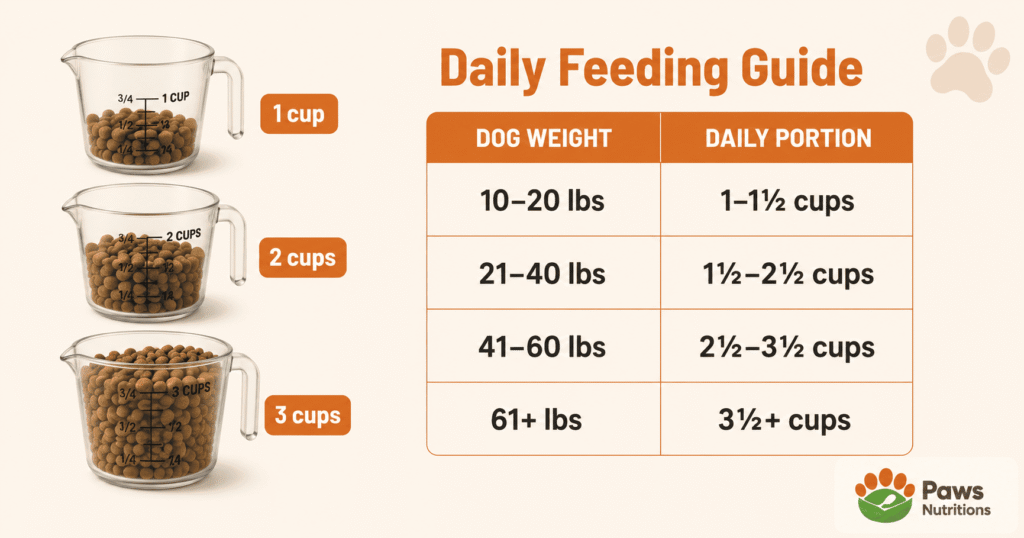
Crave Dog Food Feeding Guide
Even the highest-quality dog food won’t deliver the best results if it’s fed in the wrong amounts. Feeding too little can leave your dog lacking energy and nutrients, while overfeeding may lead to unwanted weight gain over time. Because Crave Dog Food is relatively calorie-dense, measuring portions accurately becomes especially important.
Your dog’s ideal serving size depends on several factors, including age, body weight, activity level, metabolism, and overall health. The recommendations below provide a useful starting point, but you’ll achieve the best results by monitoring your dog’s body condition and adjusting portions as needed.
Daily Feeding Guide
| Dog Weight | Daily Amount |
|---|---|
| 10–20 lbs (4.5–9 kg) | 1–1½ cups |
| 21–40 lbs (9.5–18 kg) | 1½–2½ cups |
| 41–60 lbs (18.5–27 kg) | 2½–3¼ cups |
| 61–80 lbs (27.5–36 kg) | 3¼–4¼ cups |
| 81–100 lbs (36.5–45 kg) | 4¼–5 cups |
These serving amounts should be treated as general guidelines rather than strict rules. Highly active dogs, working breeds, or dogs that spend several hours exercising each day may require additional calories. Meanwhile, indoor dogs or less active companions often need slightly smaller portions to maintain a healthy weight.
Fresh, clean drinking water should always be available alongside every meal.
Tips for Healthy Feeding
Following a few simple habits can help your dog get the most from every meal.
- Measure each meal instead of estimating portions.
- Feed at the same times each day to establish a healthy routine.
- Monitor your dog’s body condition, not just the number on the scale.
- Reduce treats if your dog begins gaining excess weight.
- Schedule regular veterinary checkups to ensure your dog’s nutritional needs continue to be met.
Remember that healthy weight management is a long-term process. Small portion adjustments are usually more effective than making sudden, dramatic changes.
How to Transition Your Dog to Crave Dog Food
Changing your dog’s diet too quickly can lead to digestive upset, even when switching to a high-quality food like Crave. A gradual transition allows your dog’s digestive system and beneficial gut bacteria to adjust comfortably to the new ingredients.
Most veterinarians recommend introducing any new dog food over seven to ten days. This slow approach significantly reduces the risk of diarrhea, vomiting, gas, or temporary loss of appetite.
7-Day Transition Schedule
| Day | Previous Food | Crave Dog Food |
|---|---|---|
| Days 1–2 | 75% | 25% |
| Days 3–4 | 50% | 50% |
| Days 5–6 | 25% | 75% |
| Day 7+ | 0% | 100% |
During the transition period, watch your dog’s stool quality, appetite, and overall energy level. Mild digestive changes can be normal during the first few days, but persistent vomiting, severe diarrhea, or refusal to eat should prompt a conversation with your veterinarian.
Dogs with particularly sensitive stomachs may benefit from an even slower transition lasting 10 to 14 days.
PawsNutritions Feeding Tip
Many owners focus only on the food itself, but portion control is equally important. Measuring meals with a standard measuring cup instead of estimating by eye helps prevent gradual overfeeding, especially with calorie-dense foods like Crave Dog Food. Combined with regular exercise and routine weight checks, proper portion control is one of the easiest ways to keep your dog healthy for years to come.
PawsNutritions Verdict: Crave’s strong recall history adds confidence in the brand’s manufacturing standards. When fed in appropriate portions and introduced gradually, it can provide balanced daily nutrition for most healthy adult dogs while minimizing digestive upset during the transition.
Who Should Buy Crave Dog Food?
Not every premium dog food is the right fit for every dog, and Crave Dog Food is no exception. While its high-protein, grain-free recipes work exceptionally well for many healthy adult dogs, some pets have different nutritional needs that require another type of formula. Understanding where Crave excels—and where it falls short—can help you make a smarter decision before filling your dog’s bowl.
Overall, Crave is designed for adult dogs that thrive on a protein-rich diet. Its emphasis on named animal proteins, moderate fat levels, and grain-free ingredients makes it particularly appealing for active dogs and owners looking to move beyond basic supermarket kibble.
Best Dogs for Crave Dog Food
Healthy adult dogs are the ideal candidates for Crave. The combination of high-quality animal protein, balanced fat, and moderate fiber supports lean muscle maintenance, sustained energy, and overall body condition. Dogs that enjoy outdoor activities, regular walks, agility training, or active family lifestyles are especially likely to benefit from its nutrient profile.
Crave can also be a good option for dogs with sensitivities to corn, wheat, or soy, since the recipes avoid these common ingredients. For owners seeking a grain-free dog food made with multiple named meat sources, Crave offers a balanced middle ground between budget brands and ultra-premium boutique diets.
Crave may be an excellent choice for:
- Active adult dogs with moderate to high energy levels.
- Dogs needing a high-protein diet to support lean muscle.
- Pets with sensitivities to corn, wheat, or soy.
- Owners looking for a premium grain-free dog food at a reasonable price.
- Multi-dog households wanting quality nutrition without boutique pricing.
Dogs That May Need a Different Food
Although Crave performs well for many adult dogs, it isn’t designed for every life stage or medical condition. Puppies, senior dogs, and pets with specialized dietary needs often require formulas specifically developed for their unique nutritional requirements.
For example, growing puppies need carefully balanced levels of calcium, phosphorus, and calories to support healthy bone development. Senior dogs may benefit from lower-calorie recipes with added joint-support ingredients such as glucosamine and chondroitin. Since Crave currently focuses on adult maintenance formulas, these dogs may be better served by life-stage-specific diets.
You may want to consider another food if your dog:
- Is a puppy still in the growth stage.
- Is a senior dog with reduced activity or joint concerns.
- Needs a prescription veterinary diet.
- Has severe food allergies requiring limited-ingredient nutrition.
- Requires a low-fat diet because of pancreatitis or other medical conditions.
Breed Recommendations
Breed characteristics also influence whether Crave is a suitable choice. Larger, athletic breeds generally benefit from its protein-rich recipes, while smaller companion breeds with lower calorie needs may require more careful portion control.
The following table provides general recommendations for common breed groups.
| Breed Type | Recommendation | Why? |
|---|---|---|
| Labrador Retriever | ⭐⭐⭐⭐⭐ | Supports active muscles and healthy weight with proper portions. |
| Golden Retriever | ⭐⭐⭐⭐☆ | Excellent protein; monitor calories to prevent weight gain. |
| German Shepherd | ⭐⭐⭐⭐⭐ | High protein supports active lifestyles and muscle maintenance. |
| Border Collie | ⭐⭐⭐⭐⭐ | Great for energetic working and sporting dogs. |
| Australian Shepherd | ⭐⭐⭐⭐⭐ | Meets higher energy demands of active breeds. |
| Boxer | ⭐⭐⭐⭐☆ | Good nutrition, but discuss grain-free diets with your vet due to breed-specific heart concerns. |
| French Bulldog | ⭐⭐⭐☆☆ | Watch portion sizes and monitor for food sensitivities. |
| Shih Tzu & Toy Breeds | ⭐⭐⭐☆☆ | Nutritionally suitable, but kibble size may not suit every small dog. |
These recommendations are general guidelines rather than strict rules. Individual health, activity level, and veterinary advice should always take priority over breed averages.
Is Crave Good for Active Dogs?
One area where Crave Dog Food truly stands out is supporting active adult dogs. Dogs that regularly hike, run, train, or participate in canine sports require adequate protein to repair muscles after exercise and enough dietary fat to provide long-lasting energy. Crave’s nutritional profile aligns well with those needs.
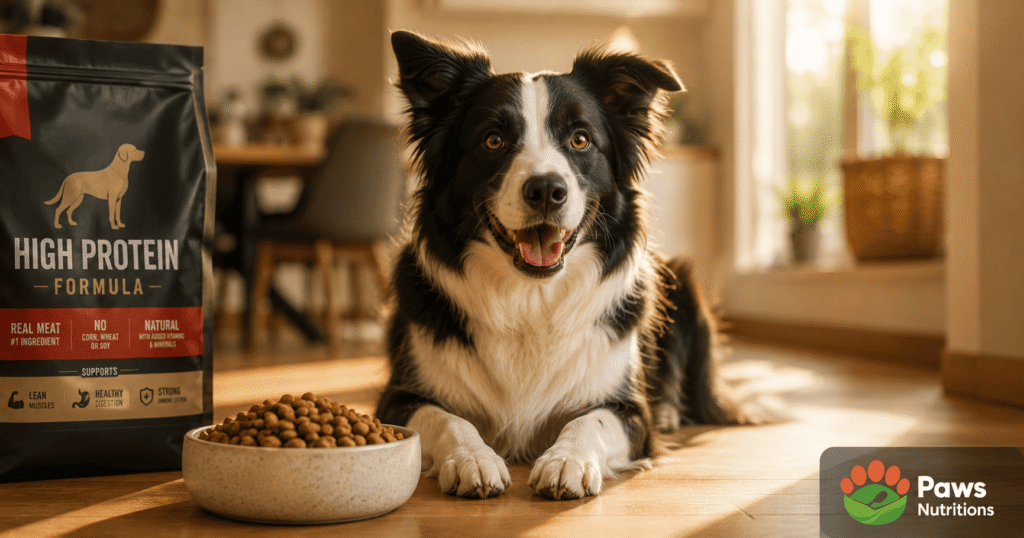
For example, imagine a Border Collie spending an hour each day herding livestock or competing in agility trials. That dog burns significantly more calories than a companion dog spending most of the day indoors. A protein-rich formula like Crave can help maintain muscle mass while supplying the energy needed for an active lifestyle.
However, activity level matters just as much as breed. An inactive Labrador may actually require fewer calories than a highly active mixed-breed dog. That’s why adjusting feeding portions based on your dog’s body condition is always more effective than relying solely on breed recommendations.
Final Recommendation
Choosing the right dog food isn’t about finding the “perfect” brand—it’s about finding the best match for your individual dog. Crave Dog Food succeeds because it offers quality animal proteins, balanced nutrition, and grain-free recipes at a price that’s accessible to many pet owners. While it isn’t formulated for every life stage, it performs particularly well for healthy, active adult dogs.
| Dog Type | Is Crave a Good Choice? |
|---|---|
| Healthy Adult Dogs | ✅ Excellent |
| Active & Sporting Dogs | ✅ Excellent |
| Dogs Sensitive to Corn/Wheat/Soy | ✅ Very Good |
| Puppies | ❌ Not Recommended |
| Senior Dogs | ⚠️ Better Senior-Specific Formula Available |
| Dogs on Prescription Diets | ❌ Follow Veterinary Advice |
PawsNutritions Verdict: Crave Dog Food is best suited for healthy adult dogs that benefit from a high-protein, grain-free diet. If your dog is active and has no special medical requirements, Crave offers excellent value. However, puppies, seniors, and dogs with complex health conditions will usually benefit from formulas specifically designed for their life stage or medical needs.
Crave Dog Food vs Top Competitors
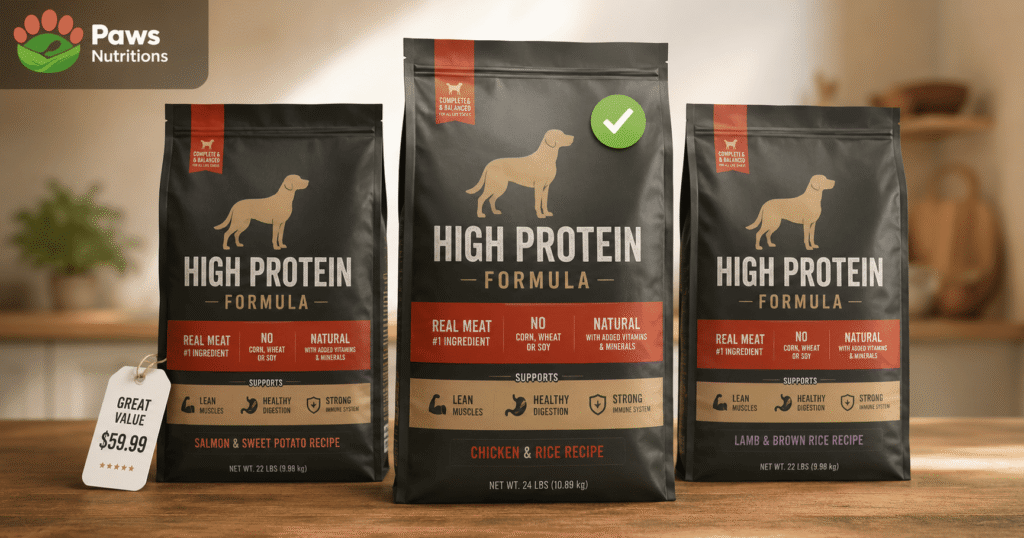
Choosing a dog food isn’t just about deciding whether Crave Dog Food is good—it’s about determining whether it’s the best option for your dog compared to other leading brands. Every premium dog food has its own strengths, whether that’s higher protein, better ingredient transparency, grain-inclusive recipes, or specialized formulas for different life stages.
To help you decide, we’ve compared Crave with three of the most popular competitors: Blue Buffalo Wilderness, Taste of the Wild, and Purina Pro Plan. Each brand serves a slightly different purpose, and understanding those differences can save you money while ensuring your dog gets the nutrition they truly need.
Crave vs Blue Buffalo Wilderness
Both Crave and Blue Buffalo Wilderness are marketed as high-protein, grain-free dog foods inspired by a dog’s ancestral diet. They avoid corn, wheat, and soy while placing animal protein at the center of their recipes. However, the brands take slightly different approaches to ingredient formulation.
Crave keeps its recipes relatively simple, relying on named meat ingredients combined with peas and lentils. Blue Buffalo Wilderness includes a wider variety of fruits, vegetables, and antioxidant-rich ingredients while also adding its signature LifeSource Bits, which contain a blend of vitamins, minerals, and antioxidants.
From a nutritional standpoint, both foods provide above-average protein levels. However, Blue Buffalo offers more life-stage and breed-specific options, including formulas for puppies, seniors, and small breeds. Crave, on the other hand, focuses almost entirely on adult maintenance diets.
| Feature | Crave | Blue Buffalo Wilderness |
|---|---|---|
| Protein Level | ⭐⭐⭐⭐⭐ | ⭐⭐⭐⭐⭐ |
| Ingredient Transparency | ⭐⭐⭐⭐☆ | ⭐⭐⭐⭐⭐ |
| Grain-Free Options | ✅ Yes | ✅ Yes |
| Puppy & Senior Recipes | ❌ Limited | ✅ Extensive |
| Price per lb | ≈ $2.95/lb | ≈ $3.00/lb |
| Overall Value | ⭐⭐⭐⭐⭐ | ⭐⭐⭐⭐☆ |
Best Choice: If you’re looking for a more affordable high-protein grain-free dog food, Crave offers excellent value. If you need specialized formulas for different life stages, Blue Buffalo Wilderness provides greater flexibility.
Crave vs Taste of the Wild
Taste of the Wild has built its reputation around novel proteins such as bison, venison, wild boar, and smoked salmon. These recipes are especially appealing for dogs with sensitivities to common proteins like chicken or beef.
Crave focuses on more familiar protein sources, including chicken, beef, lamb, and fish. While this keeps the recipes straightforward and affordable, Taste of the Wild offers greater variety for dogs with specific dietary preferences or food intolerances.
Another notable difference is probiotics. Taste of the Wild includes proprietary K9 Strain® probiotics in many formulas to support digestive health. Crave relies more on ingredient quality than added digestive supplements.
| Feature | Crave | Taste of the Wild |
|---|---|---|
| Animal Protein Variety | ⭐⭐⭐⭐☆ | ⭐⭐⭐⭐⭐ |
| Digestive Support | ⭐⭐⭐⭐☆ | ⭐⭐⭐⭐⭐ |
| Grain-Free Recipes | ✅ Yes | ✅ Yes |
| Novel Proteins | Limited | Excellent |
| Price per lb | ≈ $2.95/lb | ≈ $2.20/lb |
| Best For | Everyday adult dogs | Dogs needing alternative proteins |
Best Choice: Although Taste of the Wild is often slightly less expensive per pound, Crave remains a strong value thanks to its straightforward meat-first recipes and high protein content.
Crave vs Purina Pro Plan
Unlike the previous comparisons, Purina Pro Plan takes a very different nutritional approach. Many of its most popular formulas include wholesome grains such as rice or oatmeal and are backed by extensive veterinary research. The brand also offers one of the largest selections of life-stage, breed-size, performance, and prescription diets available.
Crave appeals to owners seeking a grain-free, high-protein diet, while Purina Pro Plan focuses on evidence-based nutrition developed through decades of feeding trials and clinical research. For dogs with medical conditions or highly specialized nutritional requirements, Purina often has more targeted options.
However, Crave’s ingredient list may appeal more to owners looking for fewer grain ingredients and a stronger emphasis on named animal proteins.
| Feature | Crave | Purina Pro Plan |
|---|---|---|
| Grain-Free Options | ⭐⭐⭐⭐⭐ | ⭐⭐⭐☆☆ |
| Veterinary Research | ⭐⭐⭐☆☆ | ⭐⭐⭐⭐⭐ |
| Life-Stage Variety | ⭐⭐⭐☆☆ | ⭐⭐⭐⭐⭐ |
| Protein Content | ⭐⭐⭐⭐⭐ | ⭐⭐⭐⭐☆ |
| Price per lb | ≈ $2.95/lb | ≈ $2.10/lb |
| Best For | Healthy adult dogs | Puppies, seniors, performance & medical needs |
Best Choice: If your dog is healthy and you prefer a grain-free formula, Crave is an excellent option. If your veterinarian recommends a specialized diet or your dog has unique health concerns, Purina Pro Plan offers more targeted nutritional solutions.
Side-by-Side Comparison
The following table summarizes how Crave compares with its three biggest competitors across the categories most dog owners care about.
| Category | Crave | Blue Buffalo | Taste of the Wild | Purina Pro Plan |
|---|---|---|---|---|
| Animal Protein Quality | ⭐⭐⭐⭐⭐ | ⭐⭐⭐⭐⭐ | ⭐⭐⭐⭐⭐ | ⭐⭐⭐⭐☆ |
| Ingredient Transparency | ⭐⭐⭐⭐☆ | ⭐⭐⭐⭐⭐ | ⭐⭐⭐⭐☆ | ⭐⭐⭐⭐☆ |
| Grain-Free Recipes | ⭐⭐⭐⭐⭐ | ⭐⭐⭐⭐⭐ | ⭐⭐⭐⭐⭐ | ⭐⭐⭐☆☆ |
| Digestive Support | ⭐⭐⭐⭐☆ | ⭐⭐⭐⭐☆ | ⭐⭐⭐⭐⭐ | ⭐⭐⭐⭐⭐ |
| Life-Stage Options | ⭐⭐⭐☆☆ | ⭐⭐⭐⭐⭐ | ⭐⭐⭐⭐☆ | ⭐⭐⭐⭐⭐ |
| Value for Money | ⭐⭐⭐⭐⭐ | ⭐⭐⭐⭐☆ | ⭐⭐⭐⭐☆ | ⭐⭐⭐⭐☆ |
| Overall Rating | ⭐⭐⭐⭐☆ (4.6/5) | ⭐⭐⭐⭐☆ (4.7/5) | ⭐⭐⭐⭐☆ (4.7/5) | ⭐⭐⭐⭐⭐ (4.8/5) |
Which Brand Offers the Best Value?
Every dog is different, so there isn’t a single “best” food for every household. However, Crave Dog Food stands out by delivering premium protein levels, quality meat ingredients, and grain-free nutrition at a more accessible price than many boutique competitors.
If your dog is a healthy adult with no special medical or dietary requirements, Crave offers one of the strongest value propositions in the premium pet food market. On the other hand, owners of puppies, senior dogs, or pets with complex health conditions may benefit from brands that provide a broader selection of specialized formulas.
PawsNutritions Verdict: Crave Dog Food wins for overall value, combining high-quality animal proteins, grain-free recipes, and competitive pricing. While competitors like Purina Pro Plan excel in veterinary-backed nutrition and Taste of the Wild offers greater protein variety, Crave remains an outstanding choice for most healthy adult dogs looking for premium nutrition without a premium price tag.
Crave Dog Food Pros and Cons
After analyzing the ingredients, nutritional profile, safety record, feeding recommendations, and comparisons with competing brands, it’s clear that Crave Dog Food offers plenty of strengths. At the same time, no dog food is perfect. Every formula involves trade-offs, and understanding both the advantages and limitations will help you decide whether Crave is the right choice for your dog.
Overall, Crave delivers impressive value in the premium grain-free dog food category. Its emphasis on animal protein and straightforward ingredient list will appeal to many owners, but its limited product range and reliance on legumes may cause others to look elsewhere.
Pros of Crave Dog Food
One of Crave’s biggest advantages is its commitment to high-quality animal protein. Instead of relying primarily on plant ingredients, most recipes begin with named meat or fish, followed by concentrated meat meals that further increase the protein content. This supports healthy muscles, sustained energy, and overall body condition in active adult dogs.
Another strength is the absence of common filler grains. Crave avoids corn, wheat, and soy, making it an attractive option for dogs with sensitivities to those ingredients. The recipes are also free from artificial colors and commonly criticized preservatives such as BHA and BHT, which many pet owners prefer to avoid.
Perhaps most importantly, Crave offers premium-level nutrition at a competitive price. While some boutique brands charge significantly more for similar protein levels, Crave remains accessible to many households without sacrificing overall ingredient quality.
Key Advantages
- High-protein recipes with multiple named animal protein sources.
- Grain-free formulas without corn, wheat, or soy.
- Uses natural preservatives such as mixed tocopherols.
- Good balance of Omega-3 and Omega-6 fatty acids for healthy skin and coat.
- Widely available online and in major pet retailers.
- Excellent value compared with many premium grain-free competitors.
- Strong overall safety record with no major product-specific recalls.
Cons of Crave Dog Food
Although Crave has many positive qualities, there are a few areas where it falls behind some competing brands. The most common criticism involves its heavy reliance on peas, lentils, and other legumes. While these ingredients aren’t inherently harmful, some owners prefer recipes with a higher proportion of animal ingredients and fewer plant-based protein sources.
The product range is another limitation. Unlike several competitors, Crave doesn’t currently offer dedicated formulas for puppies, senior dogs, or dogs with specialized health conditions. This means many owners will eventually need to transition to another brand as their dog’s nutritional needs change.
Ingredient transparency also varies depending on the country. The US formulas provide detailed ingredient lists, while the Australian recipes use broader descriptions that make it harder to evaluate ingredient quality.
Potential Drawbacks
- Heavy use of peas, pea protein, and lentils.
- No dedicated puppy or senior recipes.
- Limited breed-specific or veterinary formulas.
- Australian ingredient lists provide less transparency.
- Slightly higher calorie content may require careful portion control for less active dogs.
Pros and Cons at a Glance
| Pros | Cons |
|---|---|
| Named animal protein sources | Heavy reliance on legumes |
| High protein content | No puppy formula |
| Grain-free recipes | No senior-specific recipe |
| No corn, wheat, or soy | Limited specialized diets |
| Natural preservatives | Australian labels less detailed |
| Excellent value for money | Calorie-dense for inactive dogs |
What Do Real Customers Think About Crave Dog Food?
Expert ingredient analysis is important, but real-world experiences also provide valuable insight. Customer reviews reveal how dogs actually respond after eating the food for weeks or months. While every dog is different, several clear patterns appear across thousands of owner experiences.
Most owners report that their dogs enjoy the taste of Crave Dog Food. Even picky eaters often transition successfully, especially to the fish and chicken recipes. Many reviewers also notice shinier coats, improved energy levels, and healthy muscle condition after switching from lower-quality supermarket brands.
However, not every experience is positive. Some owners mention digestive upset during the transition period, while others report that the calorie-dense formula caused weight gain when portions weren’t adjusted carefully. These experiences reinforce the importance of introducing any new food gradually and measuring meals accurately.
What Owners Like Most
The following benefits appear consistently in positive customer feedback:
- Dogs eagerly eat the food, even picky eaters.
- Noticeably shinier coats after several weeks.
- Good stool quality for most healthy dogs.
- Strong muscle condition in active breeds.
- Convenient availability at major retailers.
- Competitive pricing compared with similar premium brands.
Common Complaints
Negative reviews tend to focus on a few recurring concerns rather than major safety issues.
- Some dogs experience temporary digestive upset during the transition.
- Certain picky dogs dislike specific flavors.
- Kibble size may be large for very small breeds.
- The recipes contain more pea-based ingredients than some owners prefer.
- Premium pricing compared with standard grocery-store dog foods.
Customer Satisfaction Summary
Overall customer feedback suggests that Crave Dog Food performs well for its intended audience—healthy adult dogs that benefit from a protein-rich, grain-free diet. The majority of complaints relate to individual dog preferences rather than manufacturing quality or safety concerns.
| Category | Customer Rating |
|---|---|
| Taste & Palatability | ⭐⭐⭐⭐⭐ |
| Coat & Skin Health | ⭐⭐⭐⭐☆ |
| Digestibility | ⭐⭐⭐⭐☆ |
| Ingredient Quality | ⭐⭐⭐⭐☆ |
| Value for Money | ⭐⭐⭐⭐⭐ |
| Overall Customer Satisfaction | ⭐⭐⭐⭐☆ (4.6/5) |
PawsNutritions Verdict: Most owners report positive experiences with Crave Dog Food, praising its taste, protein content, and overall value. While the recipes aren’t ideal for every dog, particularly puppies or pets with specialized dietary needs, Crave consistently earns strong marks as a premium everyday food for healthy adult dogs.
Final Verdict: Is Crave Dog Food Worth Buying in 2026?
After reviewing the ingredients, nutritional profile, safety record, feeding recommendations, customer feedback, and competitor comparisons, one thing becomes clear—Crave Dog Food successfully delivers on many of its promises. It offers high-quality animal protein, avoids common filler grains, and provides balanced nutrition for healthy adult dogs at a price that’s competitive within the premium pet food market.
That said, it isn’t a perfect food for every dog. Its reliance on peas and other legumes may not appeal to owners seeking meat-heavy recipes with minimal plant ingredients. Likewise, the absence of dedicated formulas for puppies, seniors, and dogs with specialized medical needs means some pet owners will eventually need to choose a different brand as their dog’s nutritional requirements change.
If your goal is to find a dependable grain-free dog food with strong protein levels and recognizable meat ingredients, Crave deserves serious consideration. It may not outperform every ultra-premium boutique brand, but it consistently provides excellent value for the majority of healthy adult dogs.
Overall Rating
To summarize our findings, here’s how Crave Dog Food performed across the categories that matter most to dog owners.
| Category | Rating |
|---|---|
| Ingredient Quality | ⭐⭐⭐⭐☆ (4.5/5) |
| Protein Quality | ⭐⭐⭐⭐⭐ (5/5) |
| Nutritional Balance | ⭐⭐⭐⭐☆ (4.5/5) |
| Digestibility | ⭐⭐⭐⭐☆ (4.5/5) |
| Ingredient Transparency | ⭐⭐⭐⭐☆ (4/5) |
| Safety Record | ⭐⭐⭐⭐⭐ (5/5) |
| Value for Money | ⭐⭐⭐⭐⭐ (5/5) |
| Product Variety | ⭐⭐⭐☆☆ (3.5/5) |
Overall Score: 4.6 / 5 ⭐
This score reflects Crave’s excellent balance of protein quality, ingredient selection, affordability, and manufacturing reliability while acknowledging its relatively limited product lineup.
Who Should Buy Crave Dog Food?
Crave is an excellent option for owners looking to upgrade from standard supermarket kibble without paying boutique-brand prices. It works particularly well for healthy adult dogs that thrive on protein-rich nutrition and maintain an active lifestyle.
Choose Crave Dog Food if your dog:
- Is a healthy adult.
- Enjoys a high-protein diet.
- Has sensitivity to corn, wheat, or soy.
- Lives an active lifestyle with regular exercise.
- Needs premium nutrition at a reasonable price.
For these dogs, Crave offers an impressive combination of quality ingredients, balanced nutrition, and long-term value.
Who Should Consider Another Brand?
Although Crave suits many dogs, it’s not the ideal solution for every situation. Some dogs require specialized nutrition that goes beyond what an adult maintenance formula can provide.
You may want to consider another brand if your dog:
- Is a growing puppy.
- Is a senior dog requiring age-specific nutrition.
- Needs a prescription veterinary diet.
- Has severe food allergies requiring a limited-ingredient formula.
- Requires a lower-fat diet because of a medical condition.
Choosing a food tailored to your dog’s life stage or health needs will usually provide better long-term results than simply selecting the highest-protein formula available.
Editor’s Recommendation
If a friend asked whether Crave Dog Food is worth buying, the answer would be yes—for the right dog. It combines quality meat ingredients, strong protein levels, natural preservatives, and a reassuring safety history into a product that consistently performs well without becoming excessively expensive.
It’s not trying to be the most luxurious or scientifically advanced dog food on the market. Instead, it focuses on delivering reliable nutrition using straightforward ingredients that satisfy the needs of most healthy adult dogs. For many families, that balance of quality and affordability is exactly what makes Crave such a practical choice.
Quick Buying Summary
| Question | Answer |
|---|---|
| Is Crave Dog Food good? | ✅ Yes, for most healthy adult dogs. |
| Is it high in protein? | ✅ Yes, one of its strongest features. |
| Is it grain-free? | ✅ Yes. |
| Does it use named meat ingredients? | ✅ Mostly yes, especially in US formulas. |
| Good value for money? | ✅ Excellent value in the premium category. |
| Would we recommend it? | ✅ Yes, with a few life-stage limitations. |
PawsNutritions Final Verdict: Crave Dog Food earns an overall rating of 4.6 out of 5 stars. Its combination of high-quality animal proteins, balanced nutrition, grain-free recipes, and competitive pricing makes it one of the best choices for healthy adult dogs in 2026. While puppies, senior dogs, and pets with specialized medical needs may require more targeted nutrition, Crave remains a trustworthy option for owners seeking premium everyday dog food without paying premium boutique prices.
Frequently Asked Questions (FAQs)
Is Crave Dog Food good for dogs?
Yes. Crave Dog Food is a good choice for most healthy adult dogs because it provides high-quality animal protein, balanced nutrition, and grain-free recipes without corn, wheat, or soy.
Is Crave Dog Food grain-free?
Yes. Most Crave Dog Food dry and wet recipes are grain-free, using ingredients like peas and lentils instead of traditional grains.
Is Crave Dog Food made in the USA?
Most Crave Dog Food sold in the United States is manufactured in the USA using both domestic and imported ingredients, although manufacturing locations can vary by product and market.
Does Crave Dog Food contain artificial preservatives?
No. Crave uses natural preservatives, such as mixed tocopherols (a form of Vitamin E), instead of artificial preservatives like BHA or BHT.
Is Crave Dog Food linked to DCM?
There is no proven scientific evidence that Crave Dog Food directly causes Dilated Cardiomyopathy (DCM). However, because it is grain-free, owners of dogs with heart concerns should consult their veterinarian.
Is Crave Dog Food good for puppies?
Not usually. Most Crave recipes are formulated for adult maintenance, so growing puppies are generally better served by a puppy-specific formula.
Can senior dogs eat Crave Dog Food?
Healthy senior dogs can eat Crave if it suits their nutritional needs, but many older dogs benefit from senior formulas with adjusted calories and added joint-support nutrients.
Is Crave Dog Food suitable for picky eaters?
Many owners report that picky dogs enjoy Crave thanks to its rich meat flavors, although every dog’s taste preferences are different.
What is the main protein source in Crave Dog Food?
Depending on the recipe, the primary protein sources include chicken, beef, lamb, salmon, or white fish, along with concentrated meat meals.
Does Crave Dog Food contain corn, wheat, or soy?
No. Crave Dog Food is formulated without corn, wheat, and soy, making it a popular option for dogs sensitive to these ingredients.
How should I switch my dog to Crave Dog Food?
Transition gradually over 7–10 days, slowly increasing the amount of Crave while reducing your dog’s current food to help avoid digestive upset.
Is Crave Dog Food worth the price?
Yes. Considering its high protein content, quality meat ingredients, and clean recall history, Crave offers excellent value compared with many premium grain-free competitors.
Final Thoughts
Choosing the right food is one of the most important decisions you’ll make for your dog’s long-term health. After examining its ingredients, nutrition, safety, recall history, customer feedback, and overall value, Crave Dog Food proves to be a strong option for healthy adult dogs that thrive on a high-protein, grain-free diet.
No single dog food is perfect for every pet, so it’s always wise to consider your dog’s age, activity level, health conditions, and your veterinarian’s recommendations before making a long-term dietary change. When matched with the right dog, Crave delivers quality nutrition, excellent palatability, and dependable value that many owners can feel confident feeding every day.
PawsNutritions Recommendation: If you’re looking for a premium Crave Dog Food formula that combines quality meat ingredients, balanced nutrition, and good value, it’s a worthwhile choice for most healthy adult dogs. Feed the correct portion, transition gradually, and pair it with regular exercise and routine veterinary care to help your dog enjoy a healthy, active life.

A dedicated writer and digital enthusiast committed to creating high-quality, informative, and reader-focused content. Through thoughtful research and clear communication, he aims to deliver valuable insights that help readers navigate the ever-changing digital landscape.